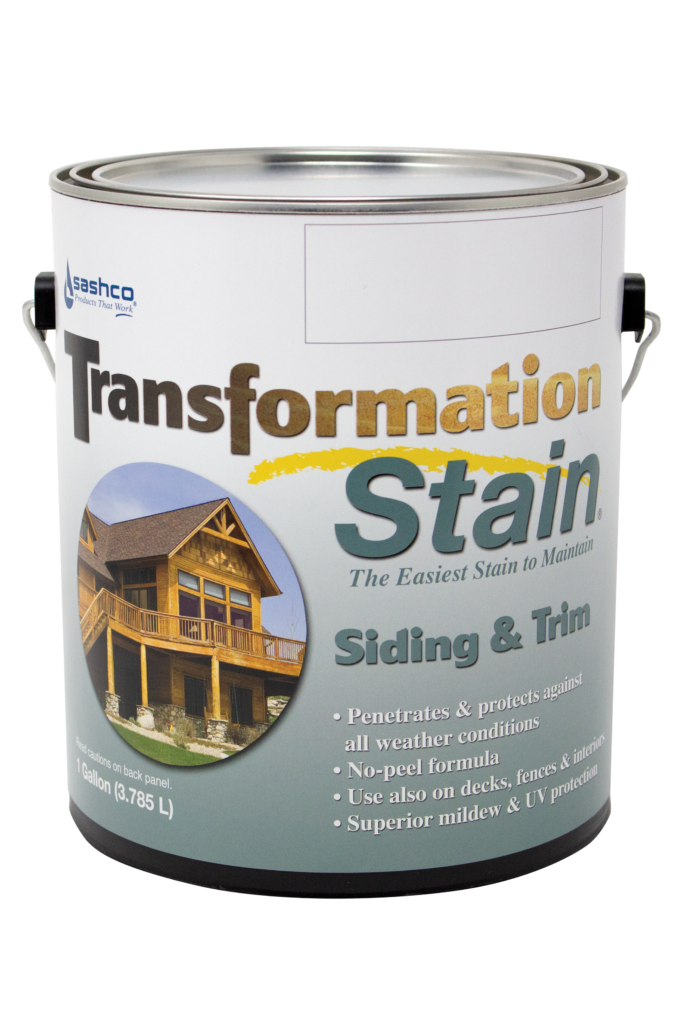
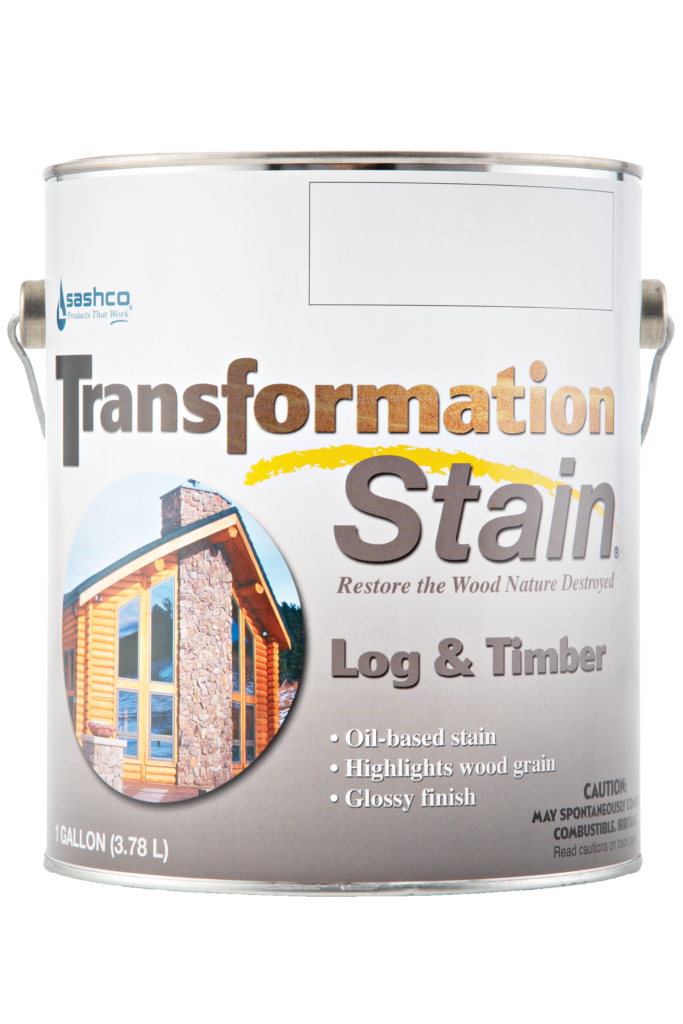
Transforming your wood requires proper application of stain, stain color sampling, and proper preparation (see related articles). With the wood grain highlighted and protected, your dull, gray, or unfinished yellow wood will become the home or deck your neighbor’s envy.
Whether you’re building a new log home or simply restoring your existing log home, these wood staining tips will have you on your way to proper substrate preparation and application which mean greater longevity, better color, and better long-term performance.
Take your craft to the next level at Zero Failures. Join industry experts and fellow Pros for serious, hands-on training about sealant technology, wood science, sealant application, or stain and chinking application; and learn how to do more with what you already have to grow your business. With multiple seminar options covering sealing conventional construction builds and remodels to log home finishing and restoration, you will walk away with enhanced confidence and inspiration to build your business.
When it comes to choosing wood stain color for decks, logs or wood sided homes, the “what ifs” worry us. What if my wood turn gray and rot? What if termites start eating my cedar siding? What if I pick the wrong stain color and end up with an orange house? And the list goes on. Over the next few blog posts, we’ll give you some staining tips that will be covered through these step-by-step instructions that will make staining and maintaining your wood structure less worrisome and easier to enjoy:
#1 Sampling: To get the look you want, sample the stain on your wood.
#2 Prep: Proper prep starts you down the right path.
#3 Application: Proper application of a quality stain ensures long-term performance.
#4 Routine Maintenance: Reduce long-term costs, time and effort
Routine maintenance is a must for every homeowner. Knowing what to look for when undergoing a DIY home improvement project is half of the work. It’s never been easier to prevent costly repairs with these easy home maintenance tips. Download the handy checklist below to help you determine your caulking and exterior stain maintenance needs.
Some people love Slab, a Sashco caulk product, so much, they had to dance about it before a Colorado Rockies game. (Thanks to Denver Flash Mob for helping Slab lovers in Denver express themselves.)
Are you asking yourself, what is a LEED Certified Building? You’re not the only one. There have been many questions lobbied our way regarding Sashco products’ LEEDTM certification.
Here are some facts for you to know:
What does LEED stand for? Leadership in Energy &Environmental Design
What is LEED? LEED is an internationally recognized environmental program and is currently deployed in more than 30 countries. It provides a point system framework for verifying that a structure is designed and built in a way that will improve energy savings, water efficiency, indoor environmental quality, and reduce CO2 emissions. Points are given for various energy savings designs installed or environmentally favorable materials used. Those points add up to LEED certification.
Why do people care about LEED certification for their buildings? 1) Money; and 2) environmental friendliness.
1) Money: There are many tax credits available for LEED construction and some say the long-term energy savings also add up, along with increasing the LEED building’s value. There are many federal and state tax credit available that can add up to a lot. We found one mention of a contractor who received $1.80 per sq. ft. for a 20,000 sq. ft. building. That’s $36,000! The actual credits vary year-to-year with tax code changes, as well as by state, type of construction and total LEED points. It’s important to note that this is a tax CREDIT, not a deduction. Tax credits are for the full amount, far more advantageous than a deduction, of which only a small percentage is deducted.
2) Environmental friendliness: LEED certified buildings reduce waste sent to landfills, conserve energy and water and reduce harmful greenhouse gas emissions. Plus, as an added bonus, LEED buildings lower operating costs and are said to be healthier and safer for occupants.
Are products LEED certified? No. Only the structure itself is LEED certified. Products used are allotted a certain amount of LEED points. The sum of the points is what makes a building LEED certified. The minimum points required varies by type of construction, but is generally 40-45. The more LEED points earned (all the way up to the platinum LEED certification max. of 136 points), the more tax credits they get – along with more bragging rights.
So, are any Sashco products worth any LEED points? YES. The Sashco products listed below are worth 1 LEED point.
Want to know more? Visit the main LEED certification website at www.usgbc.org/LEED, so that the next time someone asks “What is a LEED certified building?”, you can be the one to answer.
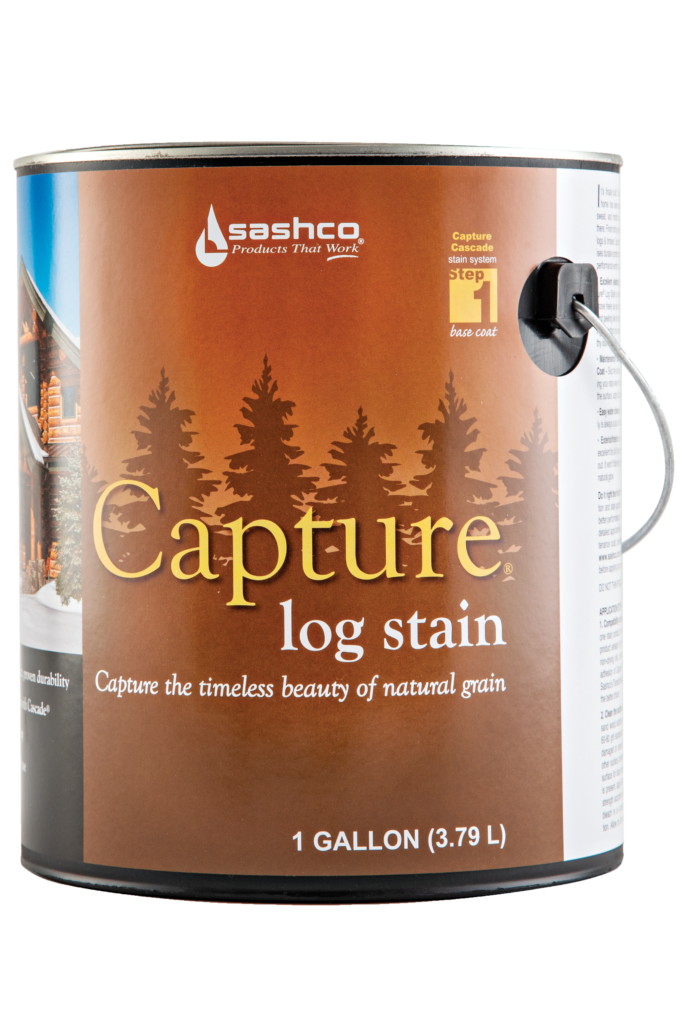
Don’t compromise at the end of a long and arduous journey by using an inferior stain not designed for logs. Capture and Cascade deliver performance worthy of the journey that got you here.
Moves with your logs and timbers
Won't hide the wood grain
Easy clear coat maintenance with Cascade(R) exterior clear coat
Backer Materials that Seal Things Right the First Time Backer Rod, Grip Strip, and Log Gap Cap all help you create the ideal joint desing for a long-lasting, durable seal
Logs are in constant dynamic motion. That's why there's Log Builder®, the sealant made for log structures. Stretches up to 500% of original size, while still maintaining tenacious adhesion to the wood.
When other chinking pulls away, Log Jam holds its seal With Log Jam chinking, you can keep the cozy feel and rustic look of a log home without compromising comfort and performance.
Easy to Use - Hard to See Keep out weather, bugs, and moisture without seeing it. Conceal disappears into the woodwork so you don't know the wood starts and the caulk begins.
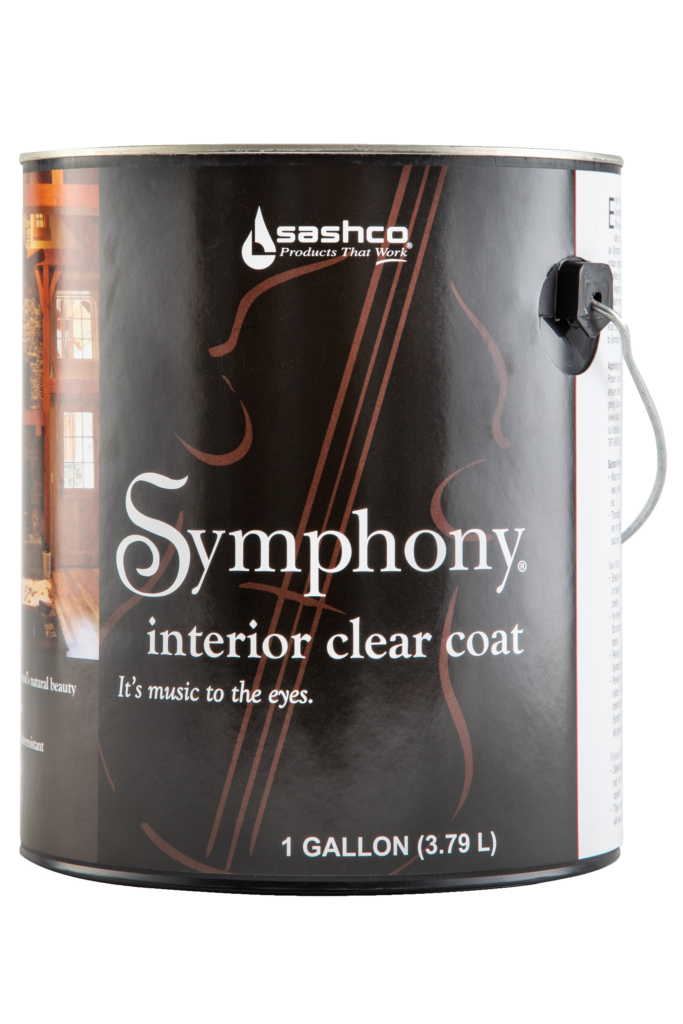
It's Music to the Eyes Symphony works in harmony with the unique character of your logs and wood to reflect an atmosphere or cozy warmth and elegance while creating and scuff-resistant and durable surface that's easy to dust.
Right Color. Right Quantity. Right Now. Never run out of stain at the jobsite again. Stock exactly what you need in your truck or trailer at the jobsite.
Easy to mix
The same color, durability, and application you've come to expect from Capture Log Stain and Transformation Log & Timber
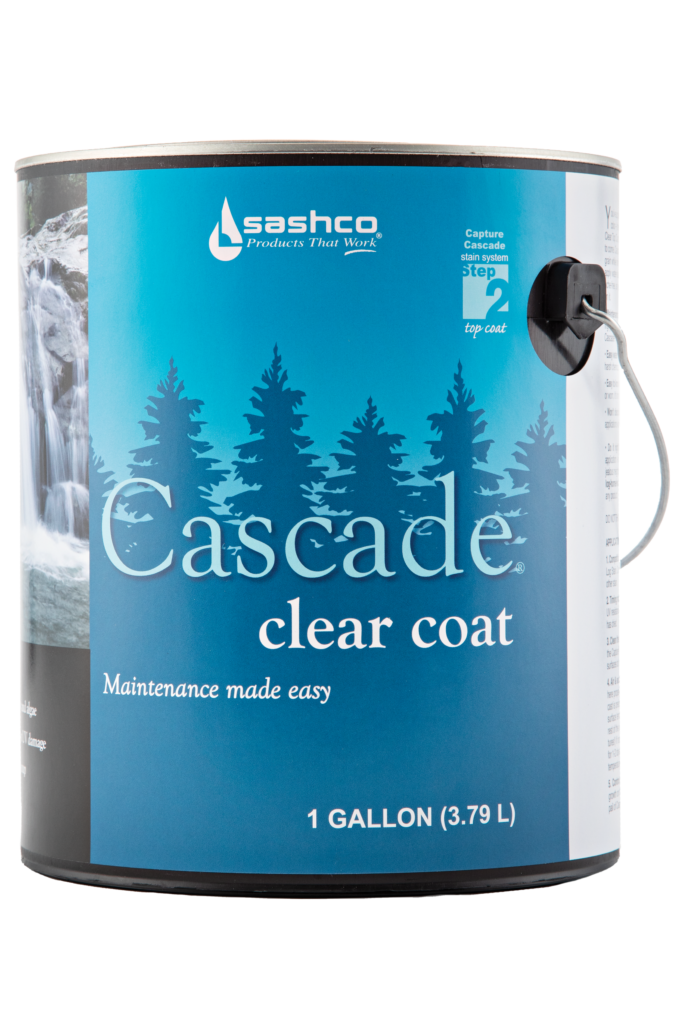
Maintenance Made Easy Now that Capture® Log Stain is applied, it’s time for Cascade® Clear Topcoat to bring out the depth and character of your unique woodgrain while protecting it against moisture, mildew, and algae. Predictable and affordable routine maintenance with Cascade throughout the years means your home stays protected and beautiful. Easy!
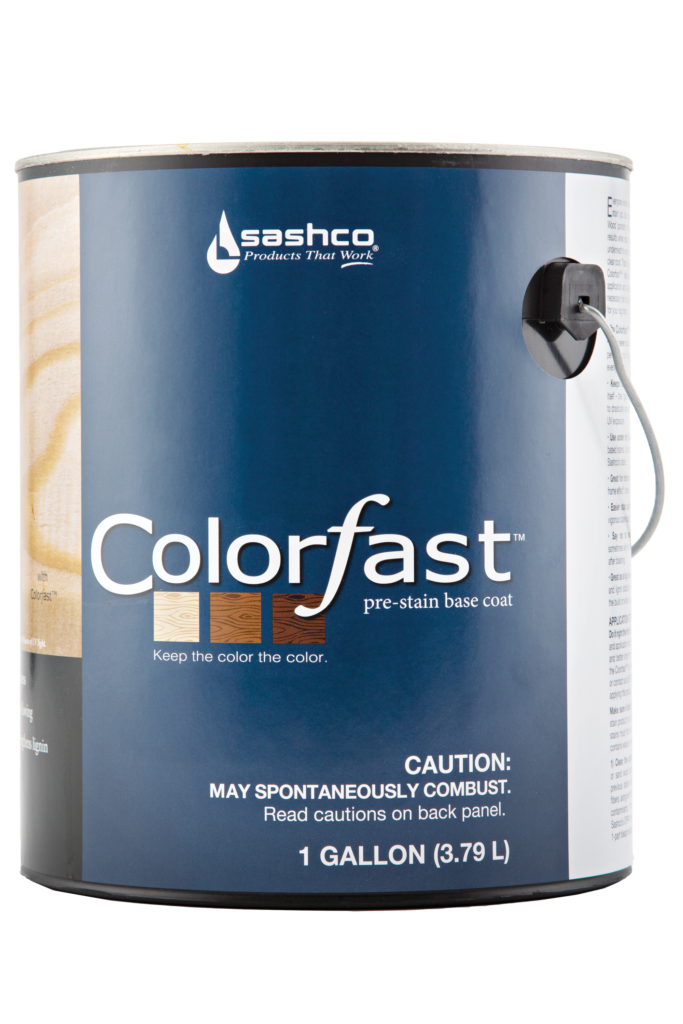
Keep the Color the Color Colorfast delivers the ideal canvas for stain application and leaves behind the strong foundation necessary for long-lasting color. It’s color confidence for your log home.
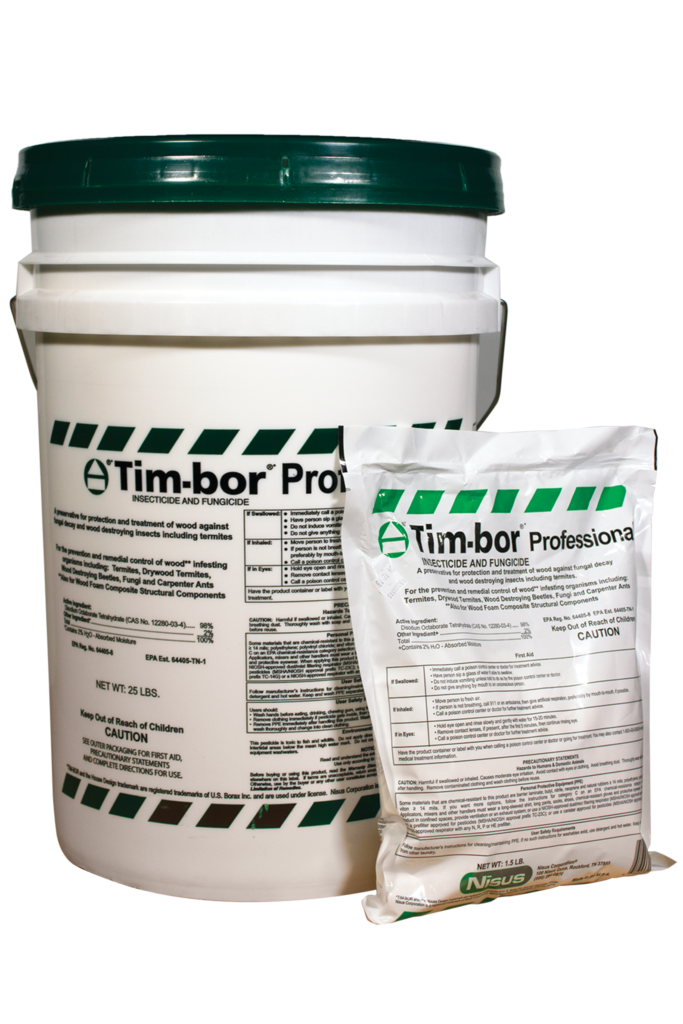
Rot, weather, insects, fungi all pose a serious threat to your logs. Protect your investment—treat your logs first to make them last. Tim-bor® helps protect your home from the costly damage caused by rot and insect infestation.
Bugs don't stand a chance
Easy to mix and apply
Prevents decay fungi
Costs 5 times less than glycol-based borate products
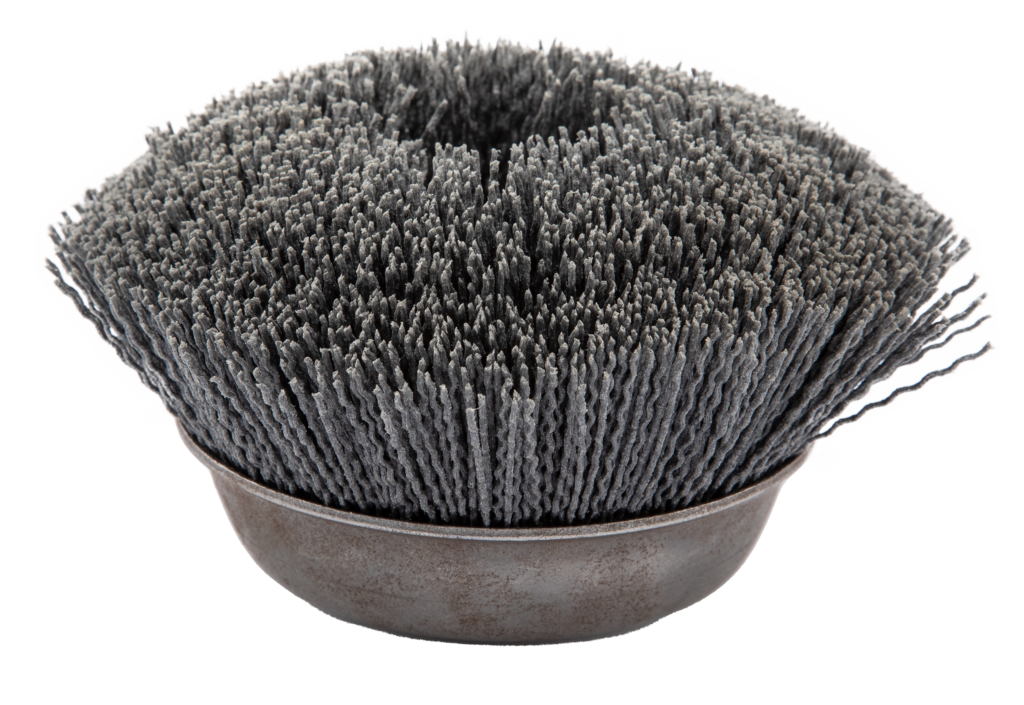
Remove Wood Felting and Raised Grain Remove wood fuzz (called felting) after power washing or media blasting, and knock down excessive raised grain with Sashco's finish sanding tools
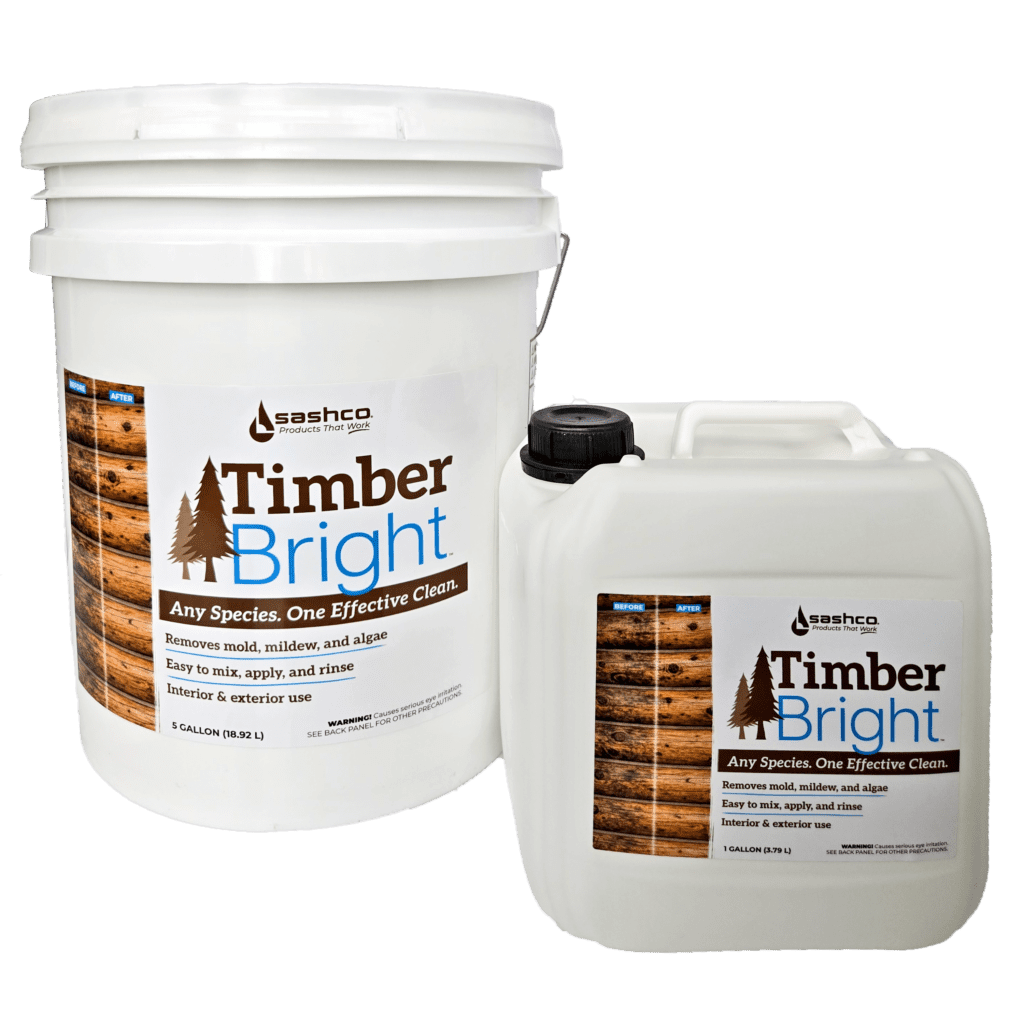
Clean and brighten bare logs and wood, remove surface dirt, pollen, and kill mold for maintenance, and keep your logs looking fresh with CPR Log Cleaner and Brightener
 Insert backer rod to create best joint design and save money on caulk.