Every fall and again in early spring, the phone starts ringing.
Homeowners and contractors alike are racing the calendar. Some are trying to wrap things up before winter really settles in. Others are itching to get started because the sun is finally shining again. And almost every conversation begins with the same question, “How cold is too cold to chink or stain my log home?”
The honest answer is this: it’s not just about the air temperature. It’s about the surface temperature of the logs, the product’s temperature, and how well the work is protected during curing. Ignore any one of those, and you’re not just cutting corners. You’re taking a real risk on a costly redo.
The Biggest Danger Is the Wash-Out
When it comes to chinking and sealants, the greatest cold-weather threat is wash-out.
In normal temperatures, chinking skins over fast enough to withstand a light rainstorm. But cold weather dramatically slows the curing process. If rain hits before the material has had time to firm up, it can literally wash a beautiful joint right down the wall.
That’s not just frustrating. We’re talking days of lost labor, wasted material, and a mess that’s nigh on impossible to just clean up. Cold temperatures won’t always “ruin” the product itself (although that’s also a risk!), but they delay when it becomes weather-resistant, and that delay is where the danger lives.
Wash-out doesn’t just mean reapplying. It often means cleaning residue off logs, re-prepping joints, and explaining unexpected delays to the homeowner. In cold weather, one storm can undo several days of work.
Surface Temperature Matters Just As Much As Air Temperature
One of the most misunderstood aspects of cold-weather application is that the log’s surface temperature matters just as much as the air temperature.
On a 40°F day, sun exposure can push log surface temperatures well over 100°F. On the other hand, a cloudy 45°F day after freezing weather can leave logs far too cold for proper adhesion. A good, simple rule of thumb is that you want a surface temperature of at least 40°F (and rising) and no more than 90°F (and falling) before you even think about applying chinking or stain. Use an infrared thermometer and check it often. Guessing isn’t good enough when the stakes are this high.
Air temps matter, too. Even if your logs are warm during a 45°F day, they’ll drop pretty dramatically at the end of the day and overnight. So, overnight air temps need to be 40°F or better for a minimum of 2 days after products have been applied.
Keep the Product Warm, Not Just the Logs
Cold chinking is thick, sluggish, and difficult too. Worse yet, when it’s too cold, it can struggle to adhere properly to the surface.
A trick many experienced pros rely on is storing their materials in a small room or closet inside the structure, sometimes with a small space heater. You don’t need a sauna; just enough warmth to bring the material itself up to 80–85°F.
One tricky thing to remember, though, is that bringing a five-gallon pail from 35°F up to working temperature can take several days, not a couple of hours. Planning ahead here makes all the difference. Forcing cold material to work faster often leads to uneven joints, poor tooling, and inconsistent appearance. Even if it sticks initially, long-term flexibility and performance can be compromised. It’s just not worth it.
Tenting and Heating Are Often the Real Secret to Success
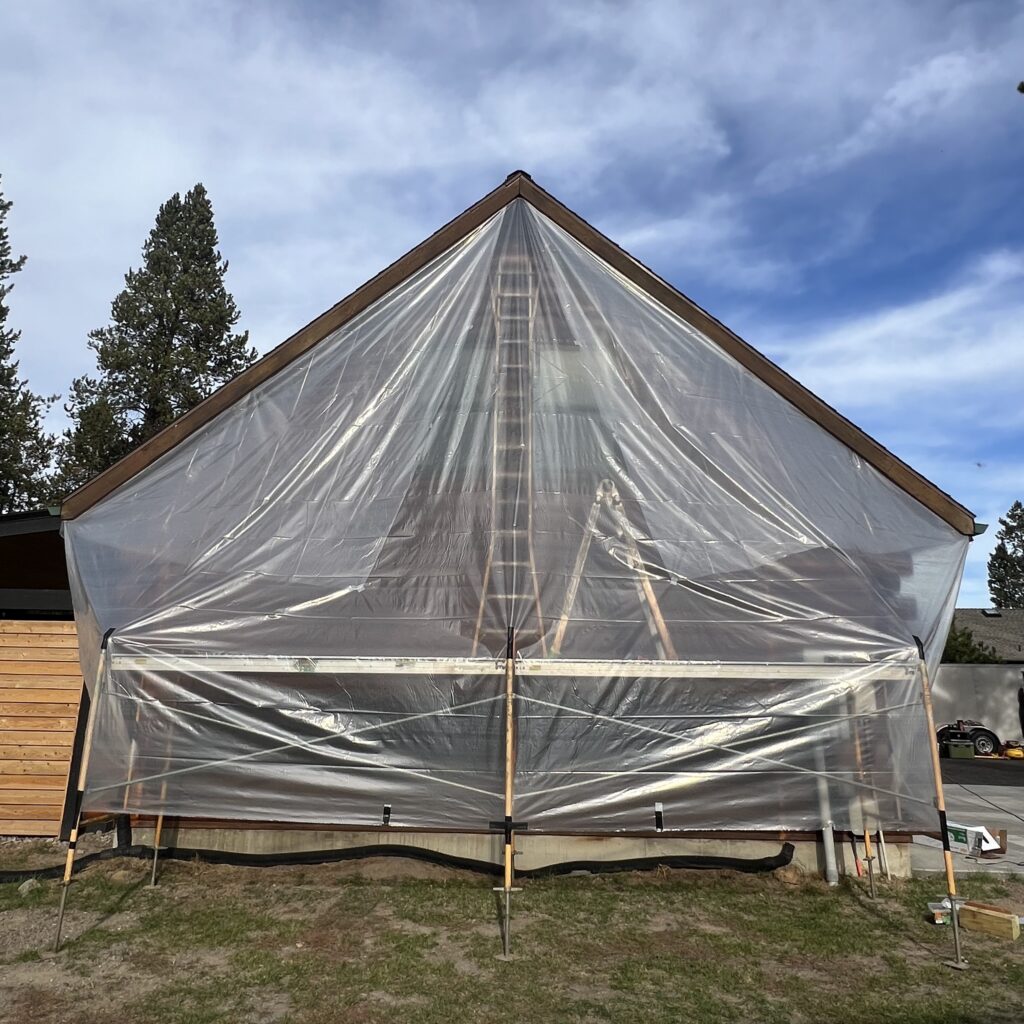
In cold weather, tenting isn’t optional. It’s what makes proper application possible.
Clear plastic sheeting works exceptionally well because it traps solar heat, lets in natural light, and creates a controlled environment around the work area. But tenting alone isn’t enough.
You also need air circulation. Without venting, moisture can build up on the logs and cause condensation, which can lead directly to the same wash-out you’re trying to prevent. This is important because tenting isn’t just about temperature, it’s about stability. Consistent conditions allow products to cure as designed, reducing callbacks, repairs, and long-term failures that are often blamed on the product instead of the environment.
Done correctly, tenting and heating protect both the material and the craftsmanship behind it.
Mother Nature doesn’t always cooperate, so we adapt without compromising quality. Proper tarping, airflow, and heat management ensure coatings bond correctly even in cold-weather applications. Photos courtesy of Knaughty Log
Official Cold-Weather Guidelines for Log Jam
We like to have fun around here, but when it comes to pushing cold-weather work, that’s when we get serious. The instructions for Log Jam are clear for a reason.
To safely apply Log Jam in cold weather:
Log surfaces must be above 40°F (4°C). Always confirm with a surface thermometer.
Air temperatures must be above 40°F, as well
Keep chinking warm until it’s ready to use
Logs must be completely free of frost (frost prevents adhesion)
Tent the area with clear plastic and heat it before and during application
Provide air circulation to prevent condensation
Leave the tent and heat in place for 2–4 days after chinking (use the full 4 days for wider joints)
Then remove the tenting to allow normal curing
Here’s the reality check. In cold weather, Log Jam will take much longer than usual to fully cure. Don’t go out there and test the limits. Removing protection too early is one of the most common cold-weather mistakes. Even if the surface feels firm, the material underneath may still be vulnerable to damage from cold, moisture, or movement. Trust us on this one!
What About Staining?
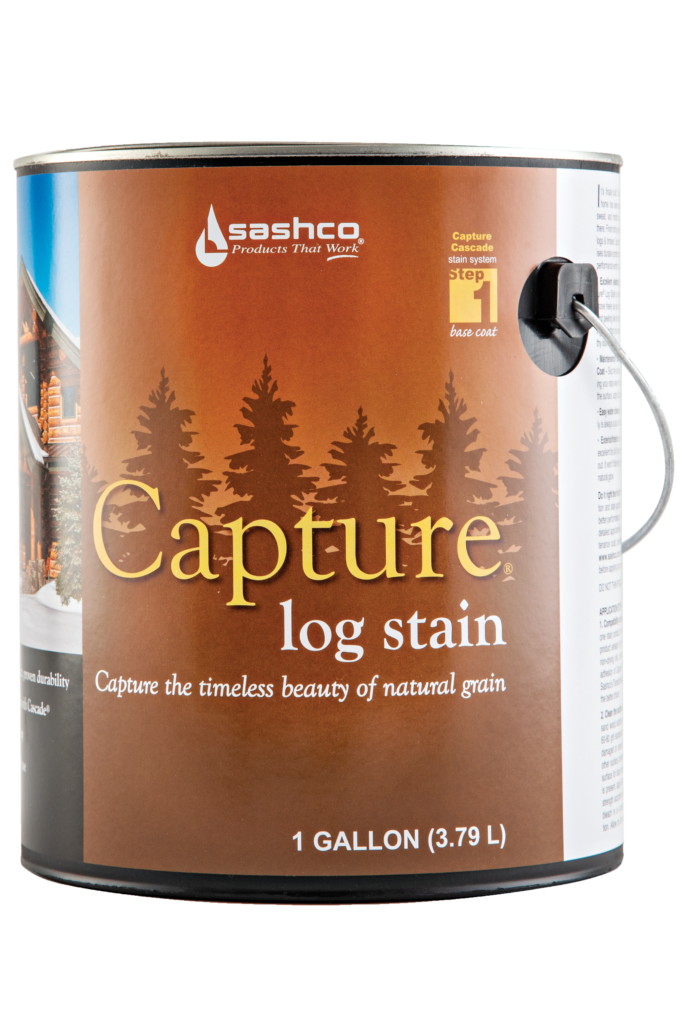
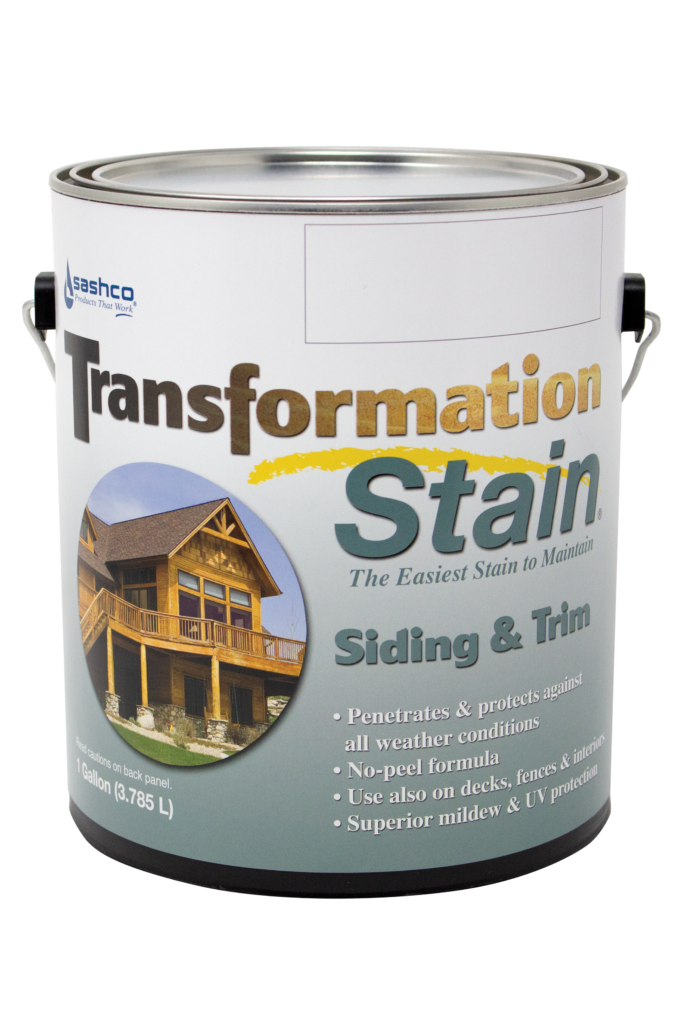
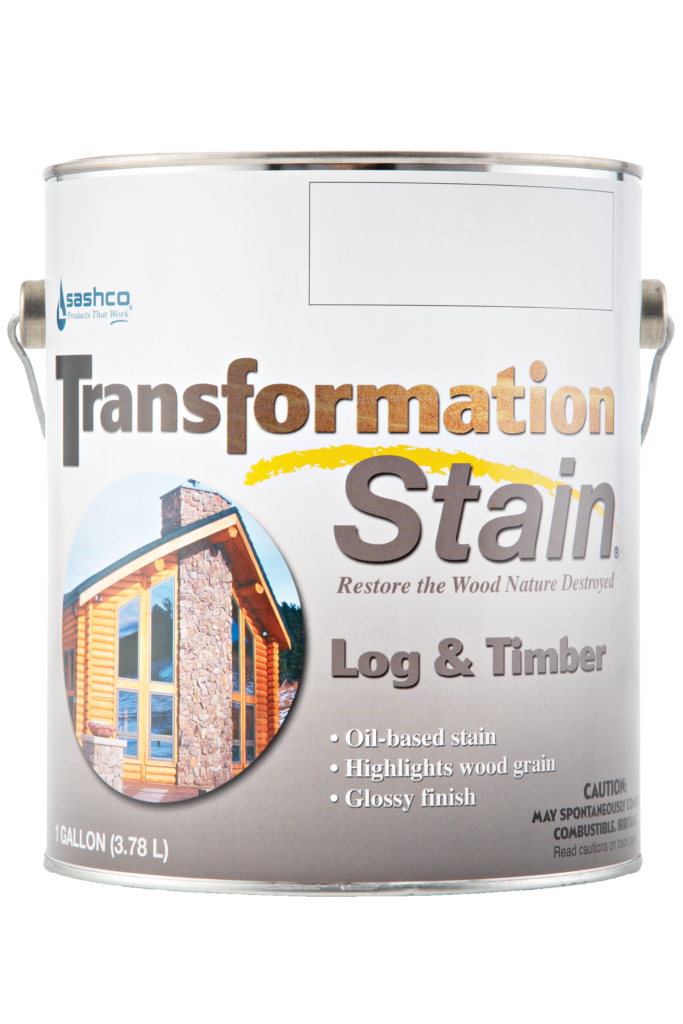
Many of the same principles apply to stains like Capture Log Stain and Transformation Stain.
Cold temperatures slow everything down:
Cold wood slows (and can even prevent) penetration and adhesion
Cold stain doesn’t flow or level as well
Curing takes much longer
Uncured stain can remain tacky
Keeping the stain warm, monitoring surface and air temperatures, and using tenting and heat, when necessary, can make cold-weather staining successful, especially with water-based products.
Don’t Be Fooled by “Freeze-Thaw Stable”
You’ll see FREEZE-THAW STABLE printed on many pails, including most of ours. That does not mean the product can sit outside all winter. Most materials are rated for around 5 freeze-thaw cycles. In one winter, it’s easy to hit fifteen or twenty cycles without realizing it.
Always store products where they won’t repeatedly drop below 32°F. Replacing damaged material is expensive and completely avoidable.
Yes, you can chink and stain in cold weather. But success depends on respecting the process:
Surface and air temperatures above 40°F both during application and for 2-4 days afterwards
Warm product
Proper tenting and heat
Protection from rain and snow
And patience with slower cure times
If you can’t provide those conditions, the smartest move isn’t to push harder. Work smarter, not harder, just wait for warmer conditions! At the end of the day, no deadline, no schedule, and no “almost done” feeling is worth watching your work slide down the wall after the first cold rain.
So, the question isn’t whether chinking or staining can be done in cold weather. It’s whether it can be done correctly. If you can’t meet the temperature and protection requirements, waiting isn’t a setback; it’s the most cost-effective decision you can make. Take a deep breath and get something hot to drink instead. You’ll be glad you did.
Ready to stain? Don’t guess! Sample. Testing stain colors on your actual logs before committing ensures that you get the exact look you want and helps prevent “oops” moments later. Snag your free samples here.
When it comes to protecting and beautifying your log home, Sashco isn’t just another stain on the market — it’s the high-performancechoice for serious log lovers. With industry-leading products like Capture, Cascade, and Transformation, Sashco combines cutting-edge technology and rugged durability to keep your logs looking stunning and standing strong year after year. Whether you’re chasing that perfect finish or just want to avoid the heartbreak of costly repairs, Sashco’s got your back. Because your log home deserves more than “good enough,” it deserves Sashco. Made for logs. Made to last. Made to make your neighbors jealous.
If you are looking for some business tips to help you find the best clients, we have just what you need.
Let’s face it. All clients are not created equal. What’s good for your business goes beyond just bidding and winning jobs. The customer needs to be a good fit too. A critical skill in business is learning to go after customers and jobs that make your time and energy worth it. Learn to look for jobs that aren’t a drain, emotionally or financially. The truth is that there is more work than contractors right now. For you, that’s excellent news. And, these four top tips will help you find the best jobs and clients.
Will You Enjoy Working With Them
It’s okay to ask yourself if a potential client will be easy to work with and make the job enjoyable or if there are red flags that signal a nightmare scenario. If you suspect that you’re bidding on a job for demanding clients, it’s okay to walk away politely. Remember, find people who value the work you provide and are willing to work with you to get the job done. You have a helpful service to offer. Save your energy for the clients who value you.
Understand Who YOU Are Looking For
If you don’t know who your ideal target customer is, defining that is your top priority. How will you know when you find the best clients if you don’t know who you’re looking for? Take a moment to picture the perfect client and job. What’s it look like?
Ask yourself:
Who are the clients?
What do they do?
What are their pain points, and can I help solve them?
Where do they spend their money?
How do they speak to you?
Having a clear strategy helps you reach your ideal client. You want to be a big fish in a small pond. Understanding your target market helps you get the potential customers you desire. Ultimately, building a business is about more than sales. Your goal should be to create something you enjoy and attract clients you want to work with.
Set Boundaries
Calling you at 7 a.m. on Sunday. Nope.
Texting you with a list of issues at 9 p.m. Nope.
Running out to “chat” as you climb into your truck to go home. Nope.
Changing 7-million items at the last minute. Nope.
Your clients want you to be in charge (even if they don’t know it). They hired you because they have confidence in your competence. It’s beneficial for you and them to set healthy boundaries for what’s acceptable and not while you work together.
Consider the Risk/Reward
It’s not uncommon for clients to look for contractors who offer ridiculously low prices. As a professional who provides products and services, that can be seriously frustrating. You provide good work and should be paid for the value you offer. The issue may be that you’re looking for business in the wrong places. Your goal should be to reach potential customers that understand your value. The internet is a blessing and a curse. Thanks to the old world-wide-web, everybody thinks they know everything, and they think they can get it done for pennies. This is not your ideal client. If a potential client’s first question is, “How much will it cost?” they are not your ideal client. Be picky about where you expend your time and expertise.
Industry expert, Matt Risinger demonstrates how to use Mor-Flexx to seal mortar for a perfect match on his own home.
Nate discussing the importance of using high-performance products with Fine Homebuilding at IBS 2023.
What do six months in the field working as a warranty manager teach you? Two things, callbacks are common and costly! That was the eye-opening experience that taught Matt Risinger why high-performance products truly matter. Matt and his team have been building architecturally driven homes that meet the highest standards of craftsmanship, durability, efficiency, and comfort. As host of the “Build Show,” he has become a nationally recognized expert in building science and high-performance construction. Through education and practice, Matt is driven to elevate the standards of the building industry.
Benefit from Matt’s experience with some of his top tips for avoiding the pain of callbacks.
Material selection is VERY important!
It’s one thing to filter callback backs as the warranty manager for a prominent builder. It’s a very different beast when the company is your own. Customers aren’t calling a warranty manager. They’re calling you! After making many costly mistakes, Matt realized that not all products are created equal. Especially when it comes to caulk and sealants, Matt’s top tip is to draw a hard line for durability and reliability. Matt explains that “When it comes to selecting a sealant, I’m always asking myself, ‘Is this going to be better than what I’ve used? And will it be lasting and durable.” You feel a well-built home when you walk in. So does your customer. A high-performance sealant matters big time.
Think long-term.
You know the scenario. You’re standing in the caulking aisle. There are countless choices. Do you choose the tube that runs you a couple of bucks, or do you opt for a high-performance sealant that will last? Even if it means paying two or three times more? According to Matt, a high-performance caulk like Big Stretch pays dividends well worth a few extra dollars. “I started using Big Stretch because it created very few callbacks. I love Big Stretch. It’s a little more than a commodity product that will look great the day you install them. But one month, one year, five years later, it’s going to look very different. A high-performance product has to adhere well, bend, and stay flexible and elastic. Low-cost products may have one quality. Big Stretch is the one that has all three. Easy choice.,” explains Matt.
Coach the customer!
You’re the pro! Your customer depends on you to help educate and guide them. They have input on the budget, yes. But what they want is excellent work. Help your client understand why product selection is essential and how the minimal cost of high-performance products ultimately gives them what they desire most, a well-built house to enjoy for years. Matt encourages you to translate his experience to your customers. He says, “I’ve experienced a lot of failures in my 25 plus years in business. Those mistakes have driven me to want to pick the right sealant for the application. Regardless of cost, because how much does it cost to come back and redo caulk that’s failed? Probably several hundred and a man’s day of work. Not to mention my reputation and the trust of my customers. It’s just not worth it.”
Are you a pro passionate about high-performance? Want more tips about how to sell that passion to your customers? Watch the entire episode of Les’s Corner!
How can you reduce callbacks for repair jobs?
We talked to high-performance builder, Matt Risinger of the Build Show to see what tips he had to share.
What do six months in the field working as a warranty manager teach you? Two things, callbacks are common and costly!
That was the eye-opening experience that taught Matt Risinger why high-performance products truly matter. Matt and his team have been building architecturally driven homes that meet the highest standards of craftsmanship, durability, efficiency, and comfort. As host of the “Build Show,” he has become a nationally recognized expert in building science and high-performance construction. Through education and practice, Matt is driven to elevate the standards of the building industry.
Benefit from Matt’s experience with some of his top tips for avoiding the pain of callbacks.
Material selection is VERY important!
It’s one thing to filter callbacks as the warranty manager for a prominent builder. It’s a very different beast when the company is your own. Customers aren’t calling a warranty manager. They’re calling you! After making many costly mistakes, Matt realized that not all products are created equal. Especially when it comes to caulk and sealants, Matt’s top tip is to draw a hard line for durability and reliability. Matt explains that “When it comes to selecting a sealant, I’m always asking myself, ‘Is this going to be better than what I’ve used? And will it be lasting and durable?” You feel a well-built home when you walk in. So does your customer. A high-performance sealant matters big time.
To learn more about high-performance sealants watch this Sashco & Build Show Webinar:
Think long-term.
You know the scenario. You’re standing in the caulking aisle. There are countless choices. Do you choose the tube that runs you a couple of bucks, or do you opt for a high-performance sealant that will last? Even if it means paying two or three times more? According to Matt, a high-performance caulk like Big Stretch pays dividends well worth a few extra dollars. “I started using Big Stretch because it created very few callbacks. I love Big Stretch. It’s a little more than a commodity product that will look great the day you install them. But one month, one year, five years later, it’s going to look very different. A high-performance product has to adhere well, bend, and stay flexible and elastic. Low-cost products may have one quality. Big Stretch is the one that has all three. Easy choice.,” explains Matt.
Coach the customer!
You’re the pro! Your customer depends on you to help educate and guide them. They have input on the budget, yes. But what they want is excellent work. Help your client understand why product selection is essential and how the minimal cost of high-performance products ultimately gives them what they desire most, a well-built house to enjoy for years. Matt encourages you to translate his experience to your customers. He says, “I’ve experienced a lot of failures in my 25-plus years in business. Those mistakes have driven me to want to pick the right sealant for the application. Regardless of cost, because how much does it cost to come back and redo caulk that’s failed? Probably several hundred and a man’s day of work. Not to mention my reputation and the trust of my customers. It’s just not worth it.”
Are you a pro passionate about high performance? Want more tips about how to sell that passion to your customers? Watch the entire episode of Les’s Corner!
Be sure to follow us on social to keep up with how Matt Risinger and other pros like to use our high-performance products.
Ah, summer. The moneymaker! You’re in the thick of the busy season. It’s easy to get caught up and put off planning for leaner times. Don’t make that mistake! One of the wisest ways to prepare for the slower season is to build value-added services into your business now. These four “all-season” money-making services keep your bottom-line consistent and strong all year long.
As a contractor, pricing your services is one of the most important keys to business survival…and one of the most difficult to master. Charge too little and your business won’t make it; charge too much and you risk losing business to competitors. We’ve all been there, and we feel your pain.
Do you want to grow your contractor business with great marketing, but don’t want to break the bank? We’ve got you covered with three of the best contractor marketing tips that won’t break the bank.
First, understand inbound marketing!
Inbound marketing is more of a methodology than a list of strategies and campaigns. Inbound marketing aims to attract prospective clients to your business versus going out to find them with traditional marketing like email lists, cold-calling, advertisements, and direct mail. Inbound marketing entices your audience to “opt-in” to your marketing. The best news of all? Modern inbound marketing is much more affordable than traditional marketing, making it the best approach for small to mid-sized businesses. The following three inbound marketing techniques are realistic and effective.
Don’t compromise at the end of a long and arduous journey by using an inferior stain not designed for logs. Capture and Cascade deliver performance worthy of the journey that got you here.
Moves with your logs and timbers
Won't hide the wood grain
Easy clear coat maintenance with Cascade(R) exterior clear coat
Backer Materials that Seal Things Right the First Time Backer Rod, Grip Strip, and Log Gap Cap all help you create the ideal joint desing for a long-lasting, durable seal
Logs are in constant dynamic motion. That's why there's Log Builder®, the sealant made for log structures. Stretches up to 500% of original size, while still maintaining tenacious adhesion to the wood.
When other chinking pulls away, Log Jam holds its seal With Log Jam chinking, you can keep the cozy feel and rustic look of a log home without compromising comfort and performance.
Easy to Use - Hard to See Keep out weather, bugs, and moisture without seeing it. Conceal disappears into the woodwork so you don't know the wood starts and the caulk begins.
It's Music to the Eyes Symphony works in harmony with the unique character of your logs and wood to reflect an atmosphere or cozy warmth and elegance while creating and scuff-resistant and durable surface that's easy to dust.
Right Color. Right Quantity. Right Now. Never run out of stain at the jobsite again. Stock exactly what you need in your truck or trailer at the jobsite.
Easy to mix
The same color, durability, and application you've come to expect from Capture Log Stain and Transformation Log & Timber
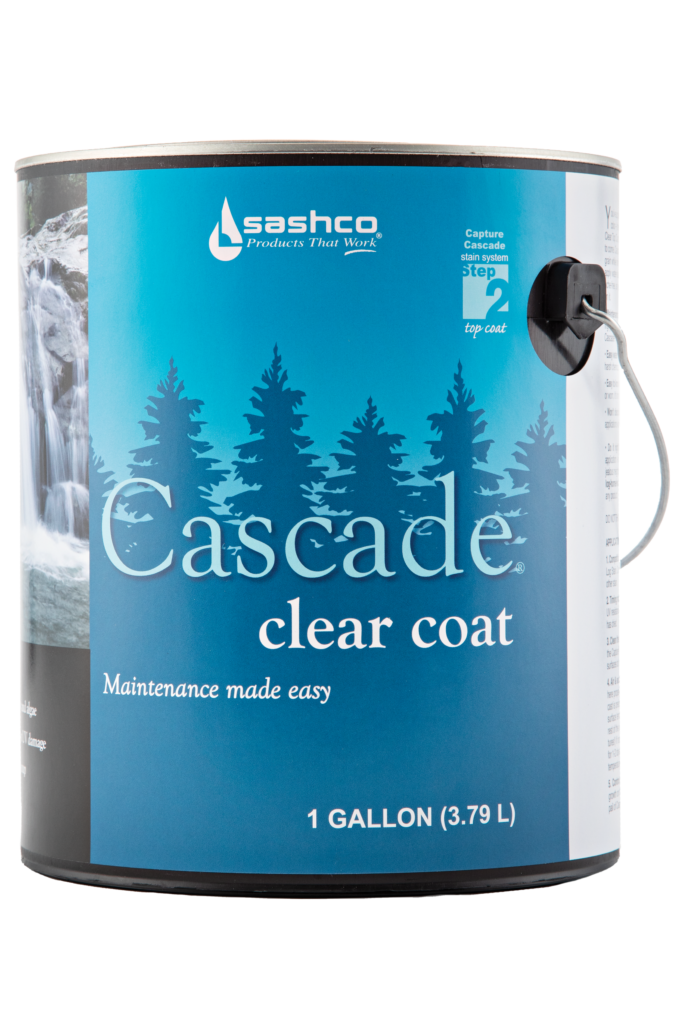
Maintenance Made Easy Now that Capture® Log Stain is applied, it’s time for Cascade® Clear Topcoat to bring out the depth and character of your unique woodgrain while protecting it against moisture, mildew, and algae. Predictable and affordable routine maintenance with Cascade throughout the years means your home stays protected and beautiful. Easy!
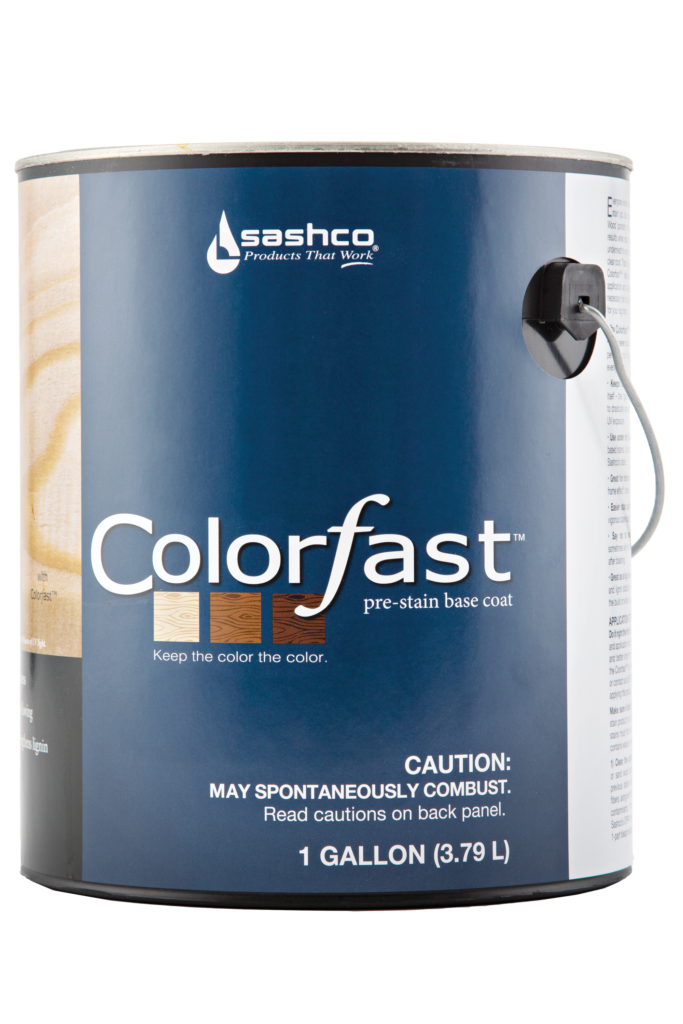
Keep the Color the Color Colorfast delivers the ideal canvas for stain application and leaves behind the strong foundation necessary for long-lasting color. It’s color confidence for your log home.
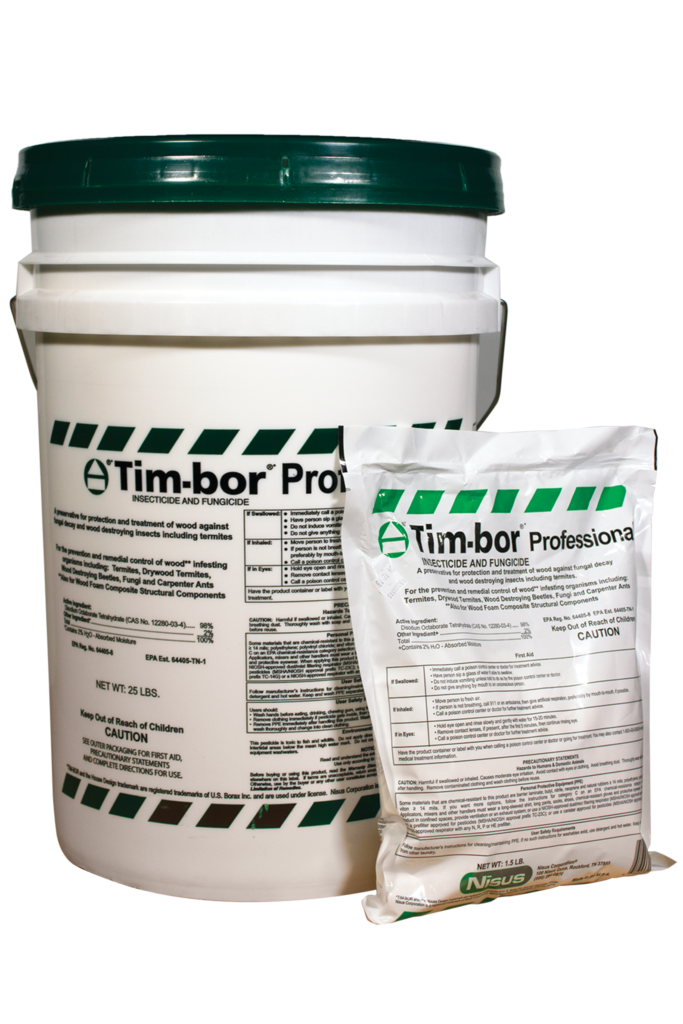
Rot, weather, insects, fungi all pose a serious threat to your logs. Protect your investment—treat your logs first to make them last. Tim-bor® helps protect your home from the costly damage caused by rot and insect infestation.
Bugs don't stand a chance
Easy to mix and apply
Prevents decay fungi
Costs 5 times less than glycol-based borate products
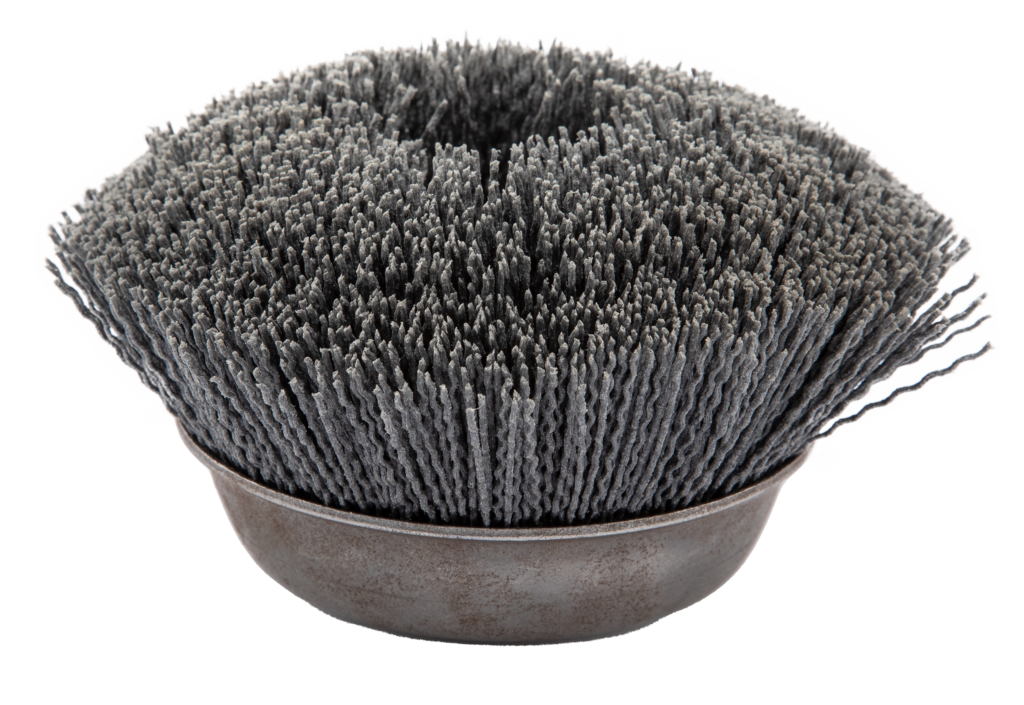
Remove Wood Felting and Raised Grain Remove wood fuzz (called felting) after power washing or media blasting, and knock down excessive raised grain with Sashco's finish sanding tools
Clean and brighten bare logs and wood, remove surface dirt, pollen, and kill mold for maintenance, and keep your logs looking fresh with CPR Log Cleaner and Brightener