You’ve planned the kitchen, the countertops, the fireplace, the floors, the windows, and the view. But did you plan for the part that protects the logs?
It happens all the time.
A homeowner starts building a dream log home and carefully budgets for all the beautiful things they can see and touch. Then, toward the end of the project, the log home budget starts getting tight. And suddenly the stain, chinking, sealants, and other exterior finishing products are competing with the kitchen countertops for whatever money is left.
Sorry to shoot straight, but the finishing products that protect your logs aren’t the place to run out of money.
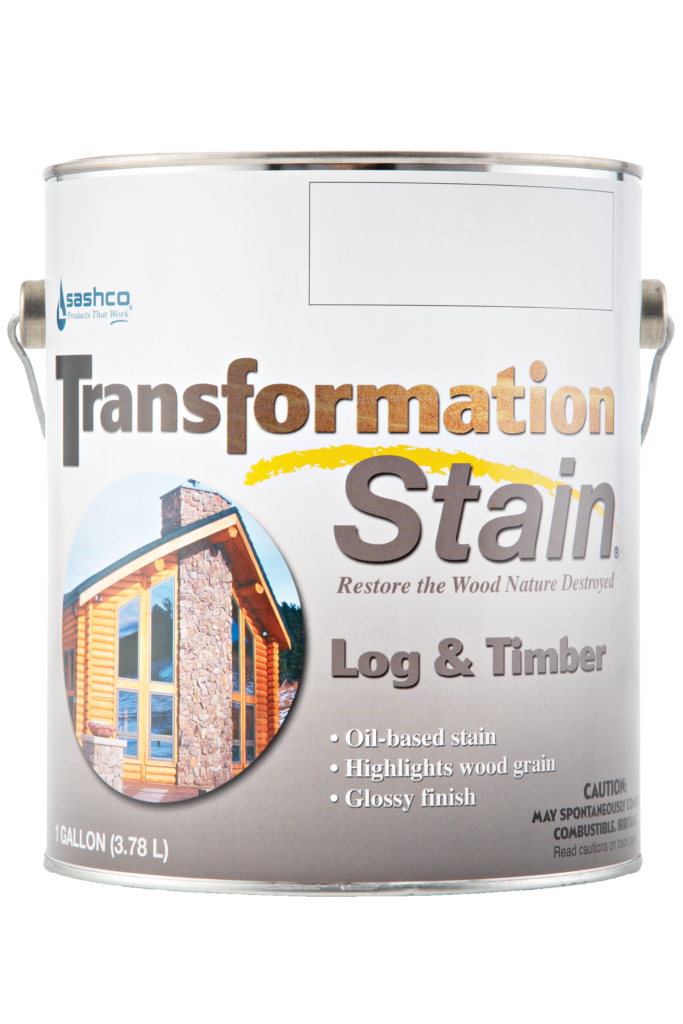
Your log home’s exterior finish isn’t just about making the house look good. Properly selected and applied finishing and sealing products are part of protecting the wood from the elements.
And maintenance doesn’t stop once construction is finished. A log home is an investment you maintain, not a project you finish once and forget about.
So, let’s talk about how to budget for log home living.
Start With the Whole House, Not Just the Build
Log home finishing products and maintenance deserve a place in the budget from the very beginning. That means thinking about the entire finishing system, not just the color.
Depending on your home and the system you’re using, that can include things such as:
- Surface preparation
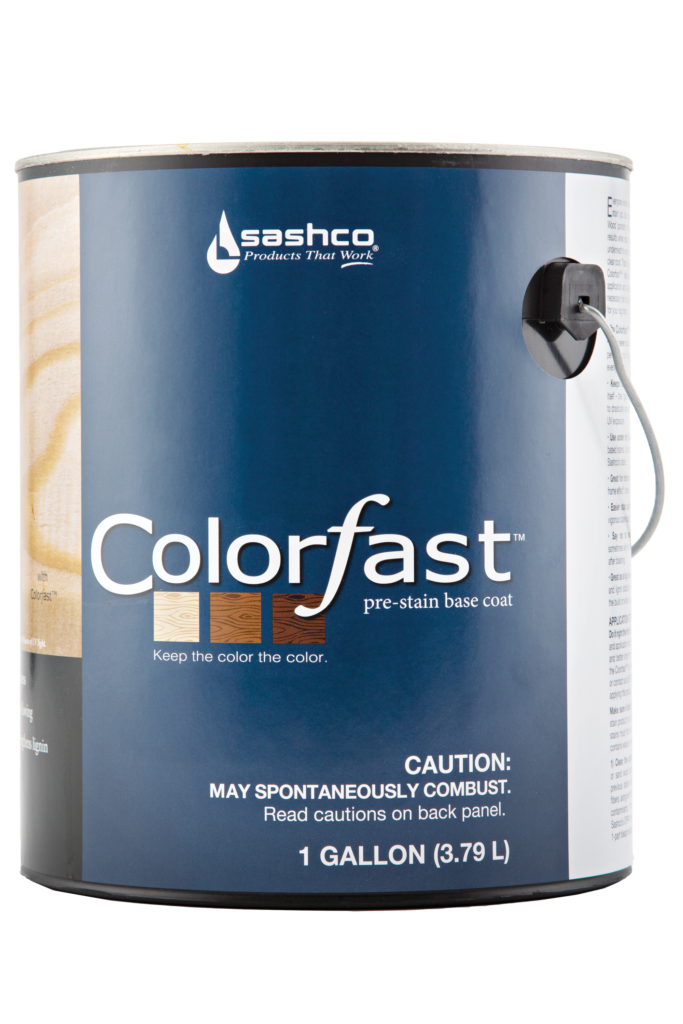
- Wood stain or finish
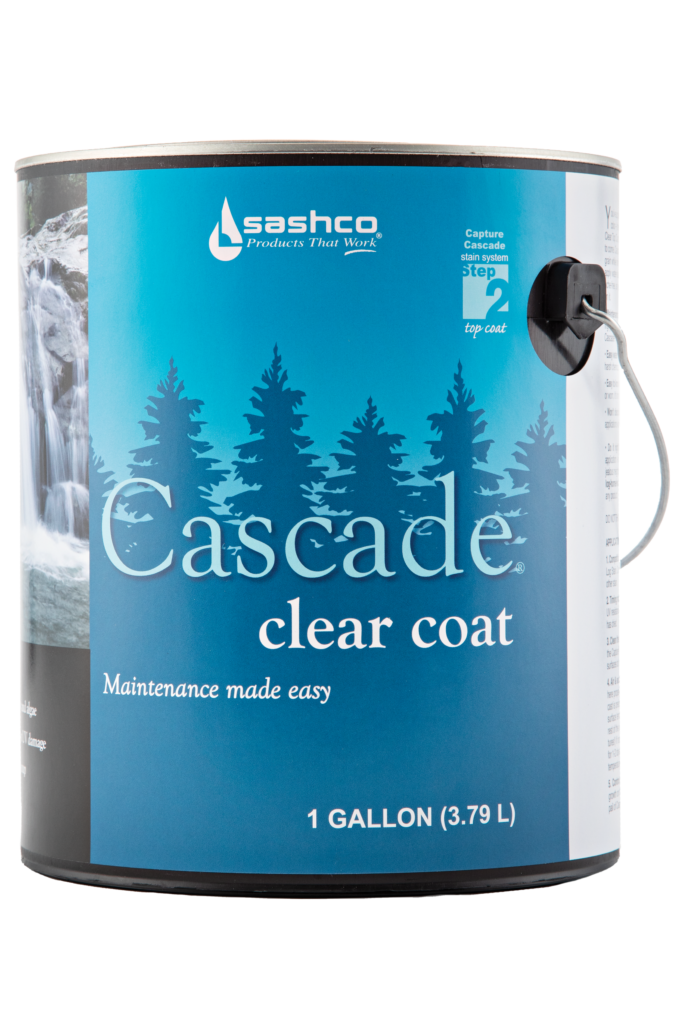
- Clear topcoat, when required by the system
- Chinking or sealants
- Backer rod or other joint materials
- Log-end protection
- Caulking around windows, doors, and other areas
- Materials for addressing checks and cracks
- Labor for application
- Equipment and access
- Future maintenance
The point is that coatings and sealants should be treated as a planned part of the building budget, not whatever is left over at the end.
And here’s an important part of that planning: get a realistic idea of the cost to apply the finish to both the interior and exterior of your home.
If you’re financing your new build, talk with your builder and lender about including those costs in your original building or construction loan when appropriate. Once you’ve signed your mortgage or construction financing, getting additional funds can be much more difficult.
It’s much easier to plan for the expenses before you’re standing at the end of the project wondering where the money is going to come from.
The “Countertop Problem”
Let’s say you have a certain amount of money to finish your dream log home. You fall in love with a gorgeous countertop. Then another upgrade. Suddenly you’re looking at the exterior finishing quote, thinking, “Hmm. How can we make this cheaper?”
We understand. But you’ve got to embrace the finishing costs as part of your long-term insurance and protection. Without log integrity, those countertops don’t mean much.
Look Closely at the Numbers
There’s a sneaky place where you want to look closely at the numbers. Just because stain and caulk are listed in a proposal doesn’t necessarily mean the labor to apply them is included. Make sure you understand exactly what you’re paying for.
- Are the products included?
- Is surface preparation included?
- Is application included?
- Is the labor for chinking and caulking included?
- Are there additional preparation or access costs?
Don’t be afraid to ask for the details. You want to know the complete cost of the job before you commit your budget elsewhere.
So, when you’re making those early design decisions, don’t spend the entire budget before you’ve accounted for the things that protect that beautiful log home.

Build Your Finishing Budget Before You Choose Finishes
This is a much wiser approach.
We’ve created a Log Home Budget Worksheet to help. It details everything you need to think about but might not have considered when you’reputting together the budget for your new home.
Use it to start conversations with your builder, finishing professional, and lender before the money is already committed somewhere else.
Your Log Home Needs a Maintenance Budget
“It’s a new house. We shouldn’t have to worry about maintenance for a while, right?” New doesn’t mean maintenance-free.
We recommend a semi-annual maintenance routine, with inspections in spring and fall.
Keep things in the Easy Zone. Don’t wait until something looks terrible to give it your attention. Regular check-ins help you catch small problems before they become big ones.
Instead, regularly ask:
- What’s happening to my logs?
- What’s happening to my finish?
- What’s happening to my chinking and sealants?
- Where is water going?
- What has changed since the last inspection?
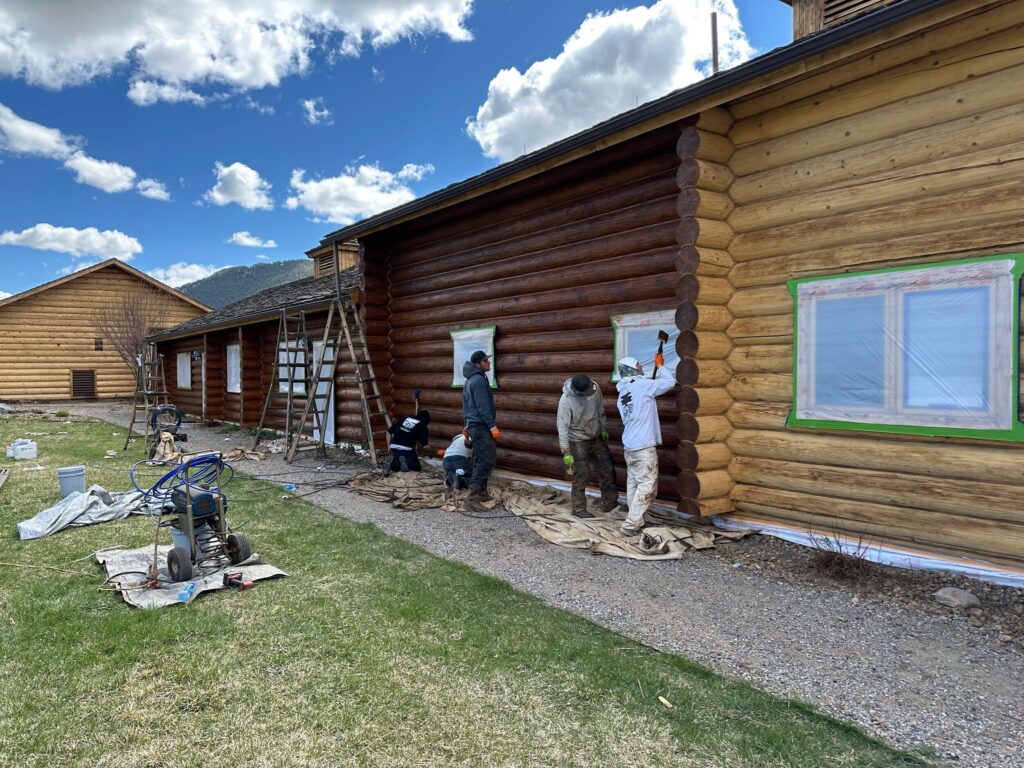
Think “Log Home Maintenance Fund,” Not “Emergency Fund”
One of the smartest things you can do as a log-home owner is to create a dedicated maintenance category in your household budget.
Create a budget line called LOG HOME MAINTENANCE (And actually put money into it regularly. You only really need one Pumpkin Spice Latte, right?).
That money can eventually cover things like:
- Cleaning
- Stain or finish maintenance
- Chinking and sealant repairs
- Check and crack repairs
- Log-end protection
- Professional inspections
- Minor wood repairs
- Deck maintenance
- Gutter and drainage work
- Other exterior repairs
The exact amount will depend on your home and its environment, so there isn’t one magic annual number that applies to every log home.
A large home with extensive log walls and significant weather exposure will have different needs than a smaller home in a protected setting.Your goal is to expect the expense instead of being surprised by it.
Small Maintenance Is Cheaper Than Big Log Home Restoration
This really is the gist of this whole, mildly uncomfortable conversation. Maintenance isn’t money you’re throwing away. It’s money you’re spending to keep small problems small.
Are you sitting down?
Delaying maintenance by just one year can potentially turn a relatively small routine maintenance job into a much larger restoration project. Think approximately $500 in routine stain and caulking work versus a $25,000 bare-wood re-stain job.
Those aren’t universal prices. Every home and project is different. But the principle is important.
Taking care of a small problem while it’s still small is almost always a different proposition than dealing with the same problem after water, weather, or deterioration has had more time to work on it.
So How Should You Actually Budget?
Here’s a simple framework to use when you’re planning a new log home.
BUILD: Budget for the house itself.
PLUS: The complete exterior log stain and caulking finishing system.
PLUS: The labor required to properly apply it (unless you’re really skilled).
PLUS: Interior finishing where applicable.
And don’t just assume the products listed in your proposal tell you the whole story. Ask whether preparation and labor are included and what additional costs could arise.
Financing
If you’re building a new log home, find out early what finishing costs can be included in your building or construction loan.
It’s much easier to plan for these expenses before your financing is finalized than to discover later that you’ve run through the budget and need additional funds.
Do Your Homework
Before you hire someone or select a product, do your research.
Look into the:
- Manufacturer
- Builder
- Log Home Finishing Professionals
- Subcontractors
- Products Being Specified
Check references, reviews, and reputation.
And don’t just look at the price! For the love of longevity, don’t just look at the price. You can always go with the cheapest bid; you can also buy sushi from a gas station. We don’t recommend either.
For contractors and subcontractors, ask about appropriate insurance coverage, including liability and workers’ compensation where applicable.
Check your state’s licensing or regulatory website, where applicable, to verify that required licenses are current and to see whether there are complaints or disciplinary records available.
You’re trusting these people and products with one of your biggest investments. It’s worth doing your homework before you sign
Move-In
Start a dedicated log-home maintenance fund. You may not need to spend much immediately, but you’re establishing the habit.
Inspect
Plan regular inspections rather than waiting for a problem to announce itself. Twice a year is good practice.
Maintain
When an inspection identifies something that needs attention, do it. Don’t succumb to the temptation to put it on next year’s list.
A small repair that takes a few hours (and a relatively small amount of product) may be a very different project after water, weather, or deterioration has had more time to work on it.
Plan for Bigger Cycles
Eventually, every log home will need more significant finish maintenance.
Exactly when that happens depends on the finish system, climate, exposure, condition of the home, and other factors. Stain systems typically require little to no maintenance beyond annual cleaning for approximately 3–5 years. That is not a universal 3–5-year rule for every log home or every product.
Instead of putting a date on your calendar and saying, “It’s been five years, so we need to stain,” inspect the home and stay on top of what’s actually going on.
The Goal Isn’t to Spend More
This isn’t an argument for buying the most expensive product or spending money unnecessarily. The goal is to spend the right money at the right time.
- Buy products designed for the job.
- Follow the manufacturer’s preparation and application requirements.
- Hire qualified professionals when you need them.
- Inspect regularly.
- Fix small problems before they become big ones.
And don’t let the stain and caulk finishing budget become the thing you sacrifice after you’ve spent everything on the fun stuff. That gorgeous kitchen is going to look a whole lot better when the logs surrounding it are healthy, protected, and beautiful, too.
One Last Piece of Advice
When you’re building a log home, budget for the home you will own, not just the home you will build.
The day you get the keys isn’t the finish line. It’s the beginning of your responsibility as a log-home owner. And that’s good news, because regular maintenance doesn’t have to mean constantly working on your house.
With routine maintenance, homeowners can usually keep up with the work with just a couple of weekends a year. Plan it around the time those hearty, robust college kids come home. And if you don’t have hearty, robust college kids available, well, that’s what friends are for.
Build the dream. Budget to protect it. And keep it in the Easy Zone.

Ready to stain? Don’t guess! Sample. Testing stain colors on your actual logs before committing ensures that you get the exact look you want and helps prevent “oops” moments later. Snag your free samples here.