Antique log homes have something special about them. Hand-hewn logs, dovetail corners, original chinking, and a naturally weathered silver-gray patina tell a story that simply can’t be recreated in a new home.
Antique log homes have something special about them. Hand-hewn logs, dovetail corners, original chinking, and a naturally weathered silver-gray patina tell a story that simply can’t be recreated in a new home.
While there’s no exact age that officially makes a structure an “antique log home,” the term is often used when referring to historic log structures built in the 1800s, particularly throughout the South. Many of these homes have now been standing for 150 years or more.
Over the years, many historic log homes have been carefully restored right where they were originally built. Others have been dismantled and moved to new locations, while some antique logs have been salvaged and repurposed into larger structures.
Regardless of the circumstances, restoration often comes down to one important question: How can an antique log home be protected for another 150 years without losing the character that makes it special?
What Makes an Antique Log Home Unique?
Many historic log homes were constructed using logs that were hewn flat on two sides. The logs were often joined at the corners with dovetail notches, and some type of material was placed between the logs to help keep air from passing through the walls.
Over time, many of these structures have been repaired or sealed with mortar or other traditional chinking materials.
The logs themselves were often left bare. After decades of exposure to the elements, the wood developed a naturally weathered silver-gray patina.
That weathered appearance is one of the things homeowners love most about antique log homes. The color, texture, and imperfections are part of the building’s history and charm. When it’s time to restore an antique log home, it makes sense that homeowners want to preserve that appearance.
The challenge is that the same bare, weathered wood that creates the antique look is also vulnerable to continued deterioration.
The Problem With Leaving Antique Logs Unprotected
A log home that has survived for 150 years may seem virtually indestructible. But age alone doesn’t protect wood from the elements.
Bare wood remains vulnerable to:
- Moisture, which can contribute to deterioration and rot.
- Sun exposure, which can break down the wood over time.
- Wood-destroying insects.
- Air and water intrusion through deteriorated chinking.
Unprotected wood will eventually deteriorate, regardless of the species of wood used.
This creates a unique challenge with antique log homes. Homeowners need to protect the wood, but traditional protective coatings can change the color and appearance of the logs.
For years, homeowners chose not to stain or seal historic structures because they didn’t want to cover up the beautiful, naturally weathered wood. Today, there are ways to protect the structure while maintaining much of that antique character.
A Modern Approach to Antique Log Home Restoration
A comprehensive restoration system can combine borate treatment, protective stain, and flexible chinking to help protect an antique log structure while preserving its historic appearance.
Each component has an important role.
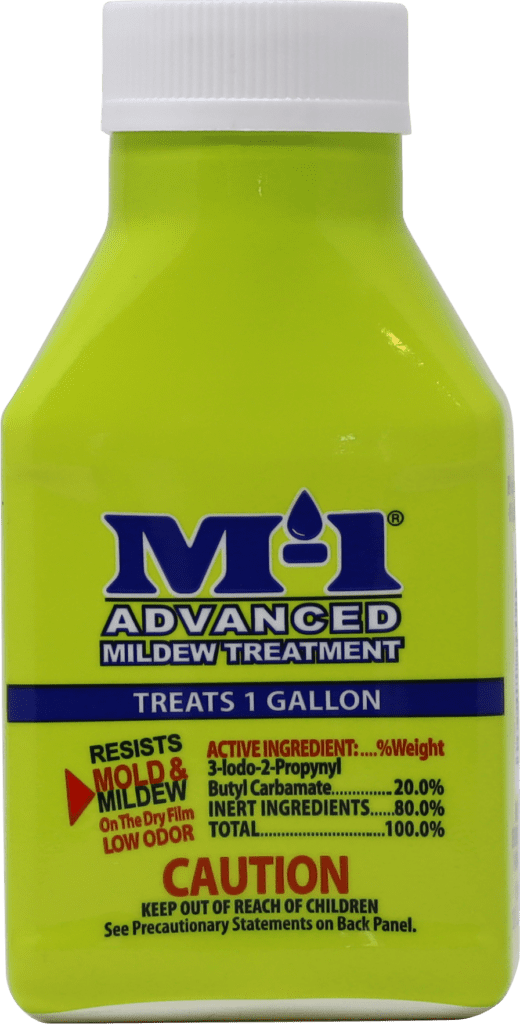
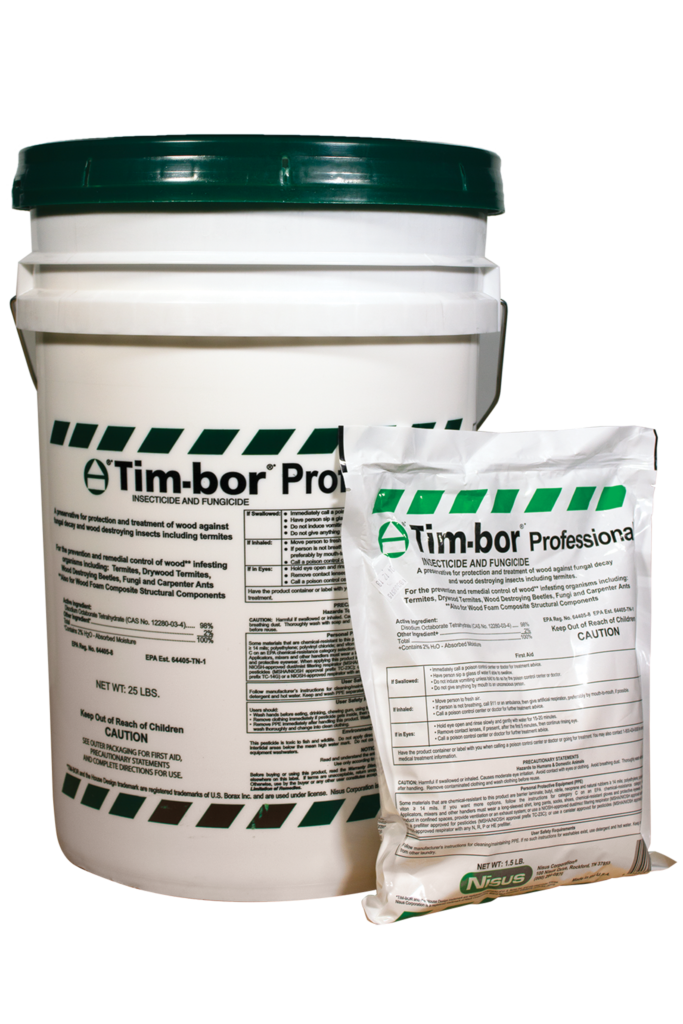
Borate Treatment Helps Protect the Wood: Borate treatments are used to help protect wood from insects that feed on it.
For an antique log structure, protecting the wood itself is an important part of long-term preservation. The goal isn’t simply to improve the appearance of the logs, but to address some of the factors that can contribute to deterioration.
Protective Stain Helps Shield the Logs: A durable stain can help protect the logs from moisture and UV exposure while providing a protective coating on the wood. But appearance matters.
A conventional stain may make weathered logs look uniformly coated or newly finished, which can take away from the character of an antique structure.
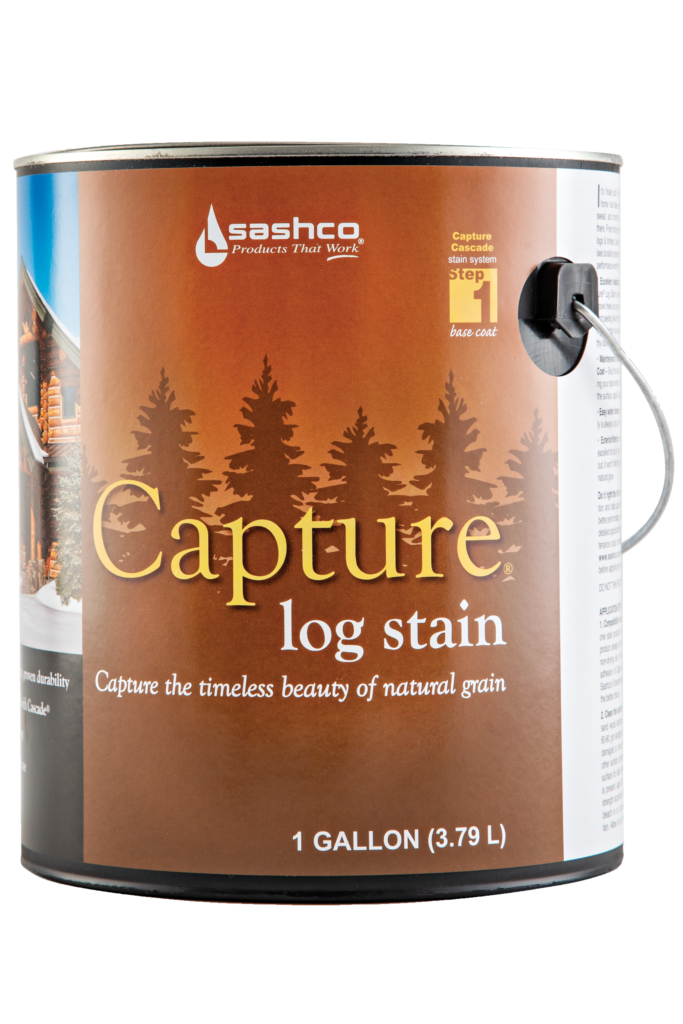
Historic logs often have a combination of colors and tones created by decades of weathering. Reproducing that look with one solid color can be difficult. We’ve seen great success achieving this with Capture Log Stain. Sashco’s Capture Log Stain is a semi-transparent stain that can be layered to create the varied appearance of old, weathered wood.
Several colors in the Capture line can be used to closely mimic the beautiful gray patina found on historic log structures. The goal isn’t to make antique logs look new. It’s to provide protection while maintaining the weathered appearance that makes the structure special.
The Importance of Chinking: The logs aren’t the only part of an antique log home that needs protection.
Chinking (the material between the logs) plays an important role in helping keep air and water out of the structure.
Many antique log homes still have their original mortar chinking, and it’s easy to understand why homeowners want to preserve it. The appearance of traditional mortar contributes significantly to the historic character of the home.
However, traditional mortar is rigid and not designed for log movement, so it cracks and crumbles.
Log walls naturally expand, contract, and move with changes in moisture and temperature. A rigid material between the logs cannot accommodate that movement as effectively as a flexible chinking material.
Modern chinking is designed to flex with log movement while helping prevent air and water intrusion.
Sashco’s Log Jam Chinking provides the appearance of traditional mortar while offering the flexibility needed for a log structure. It adheres strongly to the wood and flexes with log movement, helping create a durable seal between the logs.
This combination of appearance and performance is particularly valuable when restoring historic structures where maintaining the original look is a priority.
A Real-World Example: Restoring an 1820s Cabin
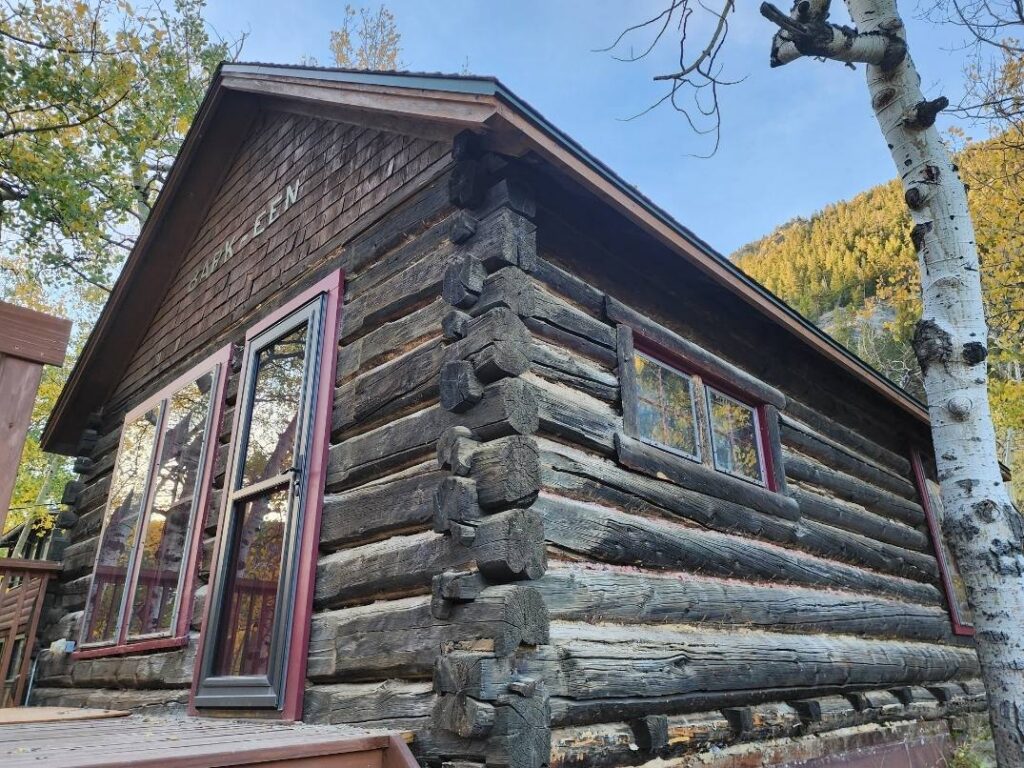
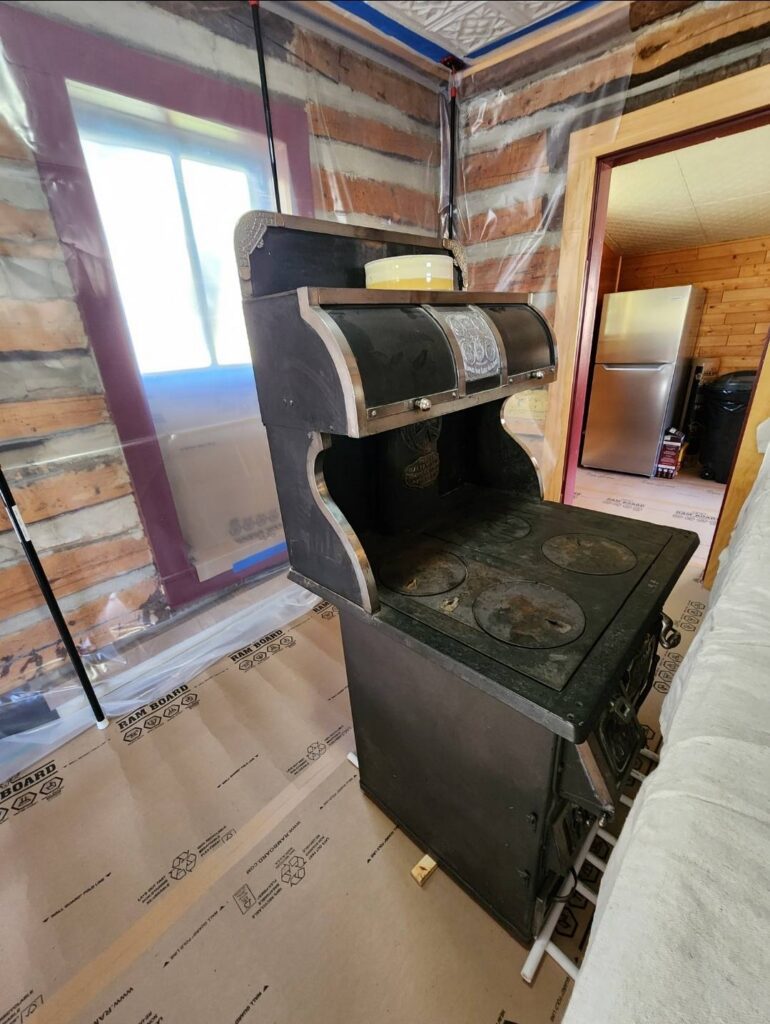
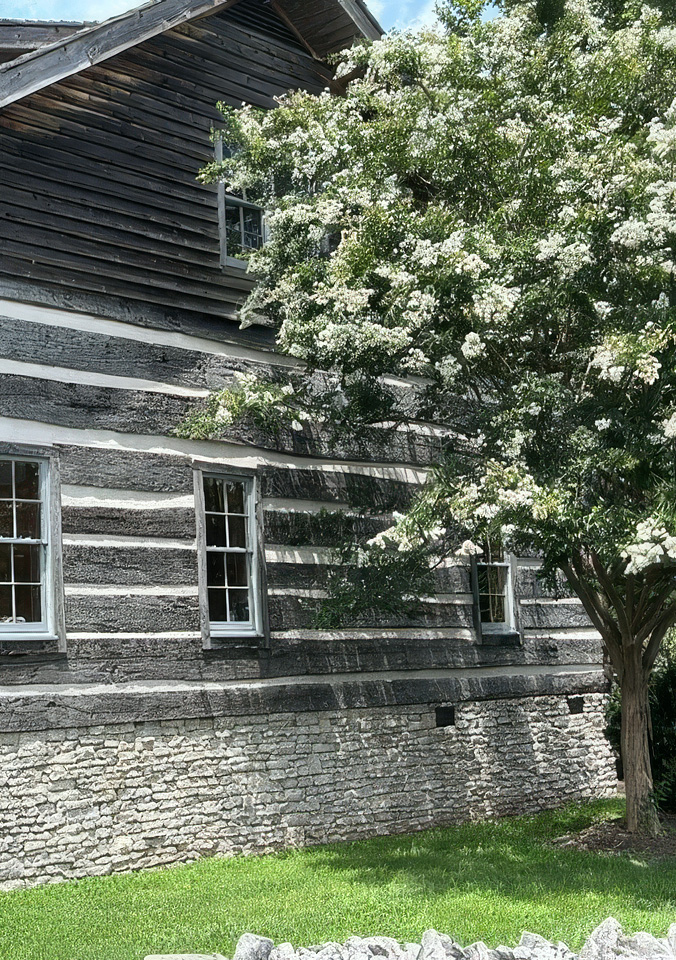
The project pictured here is an 1820s log cabin restored by the team at Dovetail Log Home Services in Nashville, Tennessee.
For many homeowners, maintaining the original appearance is just as important as preserving the structure itself. The homeowner was passionate about preserving the cabin’s historic character.
“If it doesn’t look original, I’m not restoring it,” he said. That made preserving the naturally weathered appearance of the logs a key part of the restoration.
The Dovetail crew did an excellent job of maintaining that character while adding modern protection to the wood.
The restoration included:
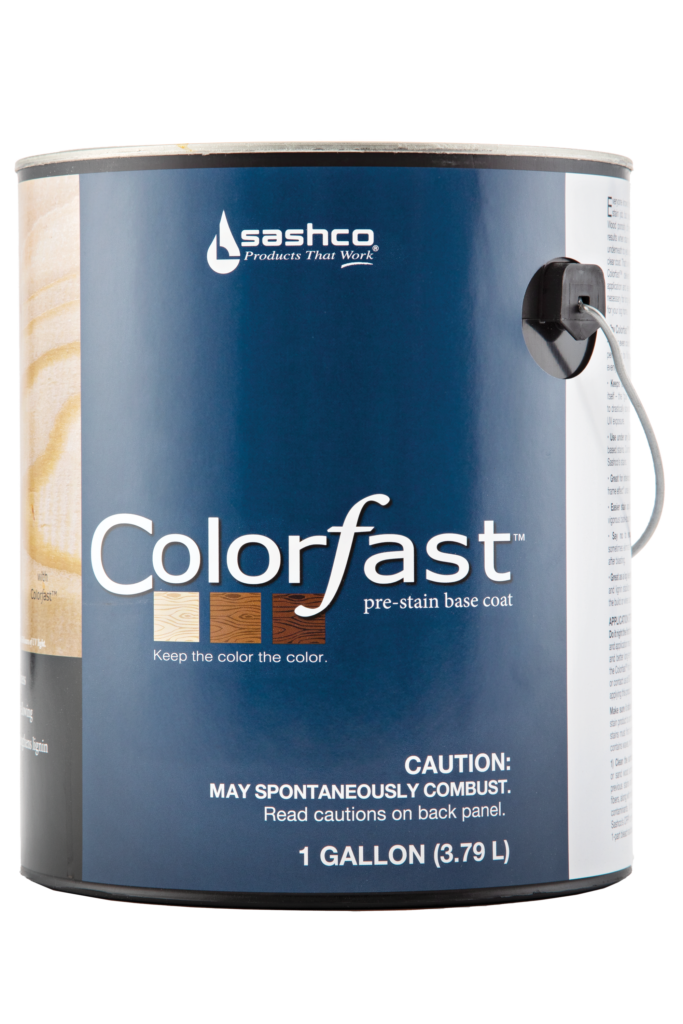
- One coat of Colorfast to help prepare and protect the wood.
- Two coats of Capture Log Stain in Weathered Wood to recreate and maintain the cabin’s aged, silver-gray appearance.
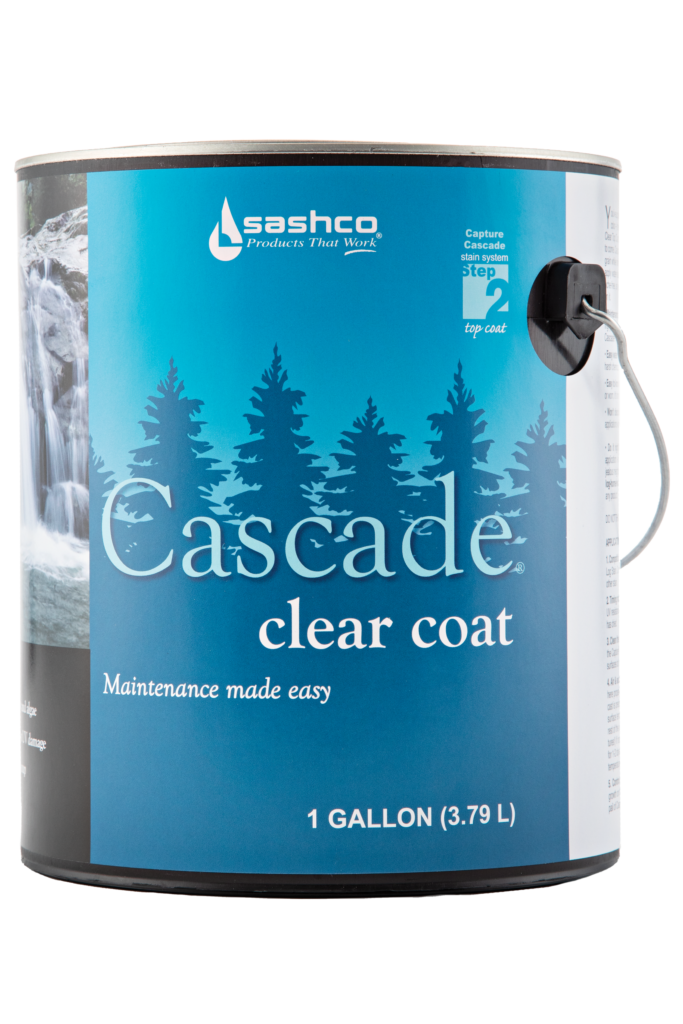
- One coat of Cascade Clear Coat in Semi-Gloss to protect it against weather, UV, moisture, mildew, and algae.
- Log Jam Chinking in Mortar White to provide the look of traditional mortar chinking while adding the flexibility needed for a log structure.
- Conceal caulk in Brown Tone, and the repair in the center of the logs was done with Dark Brown Log Jam.
The result is a cabin that retains the character and appearance that made it special in the first place, while benefiting from modern materials designed to provide additional protection and durability, protecting the structure without erasing its history.
Preserving History for the Next 150 Years
Restoring an antique log home isn’t simply about making repairs. It’s about finding the right balance between preservation and protection.
The original materials, weathered wood and aged appearance, are part of what makes these homes worth preserving. But protecting that history means recognizing that the same exposure that created the beautiful silver-gray patina can eventually contribute to the deterioration of the wood.
Modern restoration materials provide options that weren’t available to the builders of these historic structures.
With the right combination of wood treatment, protective stain, and flexible chinking, an antique log home can be protected from the elements while maintaining the appearance and character that make it unique.
After all, the goal isn’t to make a 150-year-old log home look brand new. The goal is to help it look like itself for another 150 years.
For more information or to reach Dovetail Log Home Services, contact Larry at (615) 895-8639 or dovetail1985@gmail.com

Ready to stain? Don’t guess! Sample. Testing stain colors on your actual logs before committing ensures that you get the exact look you want and helps prevent “oops” moments later. Snag your free samples here.