When exterior work winds down and the temperatures drop, it’s tempting to think of winter as the season you just have to get through. But for smart log home professionals, the slower months can be some of the most productive of the year.Check out these tips to help keep your business moving and your bottom line strong all year long.
Sure, you might not be blasting, staining, or chinking exteriors in January. But that doesn’t mean the phone has to stop ringing, your social media has to go quiet, or your business has to sit on the sidelines until spring.
In fact, winter work offers three powerful opportunities for contractors to keep business moving forward, build a stronger pipeline, and improve profitability before the busy season returns.
Stay visible and connected with potential customers.
Interior work.
Investing some time in building a stronger business.
Here’s how to make the most of it.
Keep Your Name Out There (Even When You’re Off the Jobsite)
Just because you’re not starting new exterior projects doesn’t mean you should disappear from your customers’ feeds.
Social media is one of the best ways to stay top of mind during the off-season. Homeowners are still thinking about their log homes, researching maintenance, looking at projects, and planning improvements for the coming year. When they’re ready to hire, you want your business to be the one they remember.
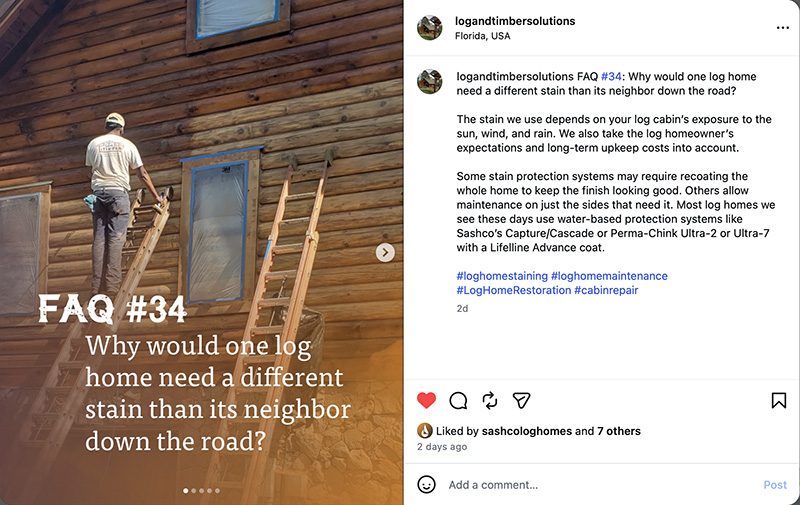
And you don’t need a new project every week to have something worth sharing. Your experience, past projects, tools, knowledge, and even the occasional jobsite story can provide plenty of content.
Here are 20 ideas to keep your social media moving this winter:
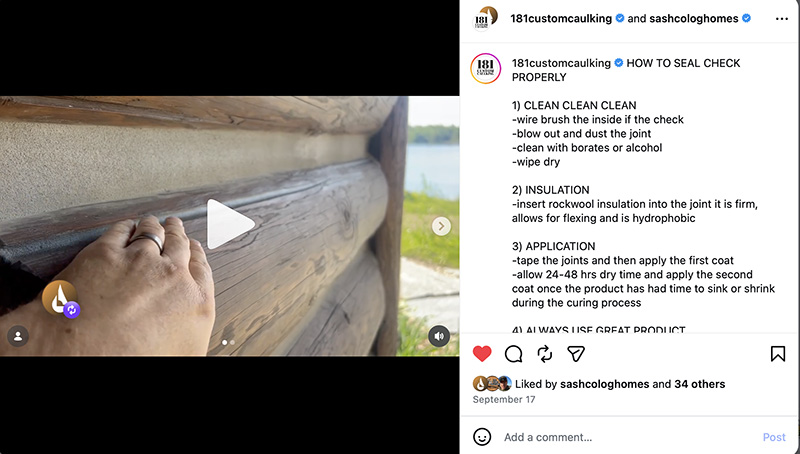
1. Bring Back the Before & After. Dig through your project photos and share some of your best transformations. Show where the project started, what it took to get there, and the finished result.
2. Play What’s Wrong With This Picture? Share a photo of a log home maintenance issue and challenge followers to spot the problem. Give them the answer and a little education in the comments.
3. Give a Toolbox Tour. Feature a tool you use regularly. Explain what it does, why you like it, and why it earns a permanent spot in your setup.
4. Tell the Story Behind a Project. Pick a memorable job and walk followers through it. What was the challenge? What did you discover? How did you approach the solution?
5. Bust a Log Home Myth. Does chinking last forever? Can you stain over failing stain? Does every check need to be filled? Share your professional perspective and set the record straight.
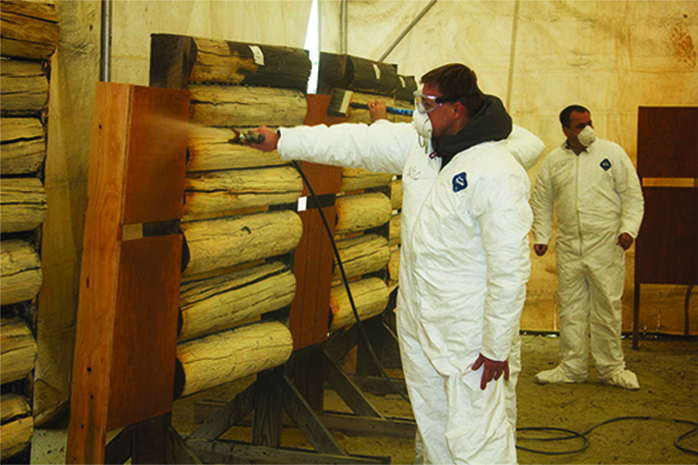
6. Show the Work Behind the Work. Customers don’t always see the preparation, masking, sanding, blasting, repairs, and other details that go into a quality finish. Give them a look at what professional craftsmanship really involves.
7. Share a Winter Homeowner Tip. What should homeowners be looking for inside their log homes during the colder months? Share a few things they can inspect or keep an eye on.
8. Introduce Your Crew. Put faces to the names. Feature your employees, share a little about their experience, and let customers get to know the people behind the work.
9. Share a Project You’re Especially Proud Of. Not every great project is about the biggest transformation. Sometimes it’s the tricky repair, unusual challenge, or attention to detail that makes a job memorable.
10. Answer a Question You Hear All the Time. What’s one question homeowners ask you on nearly every estimate? Turn your answer into a short video, graphic, or educational post.
11. Spotlight a Product You Trust. Show a product you regularly use and explain where it fits into your process. Share your experience, application tips, or why you choose it for a particular job.
12. Share a Cautionary Tale. Show what can happen when maintenance gets overlooked. Explain what went wrong, what could have prevented it, and what homeowners can learn from the situation.
13. Take Followers Along for a Day in Your Life. Share the less glamorous, behind-the-scenes parts of running a log home business. Equipment, estimating, material runs, crew meetings, and everything in between.
14. Zoom In on the Details. Share a close-up of a beautiful finish, repair, joint, or other detail that might otherwise go unnoticed. Explain what makes it good work.
15. Let Your Customers Do the Talking. Share a review, testimonial, or customer thank-you. If you have permission, pair it with a photo of the finished project.
16. Start an Industry Conversation. Post a challenging project photo and ask other professionals how they’d approach it. Invite some friendly debate and get people talking.
17. Take a Trip Down Memory Lane. Pull out an older project and share a throwback. Your past work is still proof of your experience, and those older photos might be some of your best content.
18. Share Your Professional Opinion. What’s one thing you wish every log home owner knew before hiring someone to work on their home? Give them the benefit of your experience.
19. Start Filling Your Spring Calendar. Remind homeowners that exterior project schedules fill up. Encourage them to start conversations, request estimates, and get on your schedule before the spring rush.
20. Show How You Keep Getting Better. Share a recent training, certification, industry event, or new skill you’ve picked up. Customers want to know they’re hiring someone who takes their craft seriously.
One more thing! Don’t just post and walk away. Respond to comments, interact with other industry professionals, share partner content, and tag manufacturers and suppliers when appropriate. Social media is about building relationships, not just filling a feed.
And when you’re sharing your Sashco projects, tag @sashcologhomes. We love seeing your work and sharing it with our community.
Bring the Work Inside: Winter Is a Great Time for Interior Projects
Exterior season may be on pause, but log homes don’t stop needing attention just because it’s cold outside.
Winter can be an excellent opportunity to shift the conversation toward interior maintenance, restoration, and finishing projects. Homeowners are spending more time indoors, noticing things they may have overlooked during the warmer months, and thinking about improvements they’d like to make.
Depending on your services, there may be plenty of opportunities for interior work, including:
Refinishing exposed beams, posts, and wood ceilings.
Restoring interior woodwork, trim, and architectural details.
Fireplace surrounds and other specialty wood features.
Interior inspections and maintenance assessments.
Don’t overlook your existing customer list, either. Reach out to homeowners you’ve worked with in the past. Is there interior work they were considering? Have they noticed anything that needs attention? Could they use an inspection or maintenance assessment?
A simple follow-up can open the door to a project that might not have happened otherwise.
Winter is also a good time to start conversations about next year’s exterior projects. Homeowners who plan ahead have more time to budget, make decisions, and get on your schedule before everyone else starts calling in the spring.
Step Back and Work ON the Business, Not Just IN It
Here’s something every busy contractor knows, when you’re running jobs, managing crews, answering customer calls, ordering materials, and putting out the occasional fire, it’s easy to let the business side of your business take a back seat.
The slower season gives you a chance to catch your breath and take a good look at what you’re building.
Are your prices keeping up with your costs? Are your estimates profitable? Is your website showing the quality of work you’re capable of? Are you following up with potential customers? Are your processes making your life easier, or creating more work than necessary?
Use some of that winter downtime to:
Review your numbers. Look at revenue, expenses, profit margins, and which types of projects are actually making you money.
Revisit your pricing. Make sure your estimates account for labor, materials, overhead, experience, and the true cost of doing business.
Update your website and portfolio. Add recent projects, quality photos, customer testimonials, and clear descriptions of your services.
Reconnect with your network. Reach out to manufacturers, builders, suppliers, real estate professionals, and other contractors who can help generate referrals.
Build a better follow-up system. Revisit old estimates, reconnect with previous customers, and organize your leads for the coming season.
Invest in your crew. Review training, safety practices, equipment, and the processes that help your team do better work.
Plan your next season. Get ahead on scheduling, equipment maintenance, marketing, and business goals.
Make This Winter Count with Zero Failures
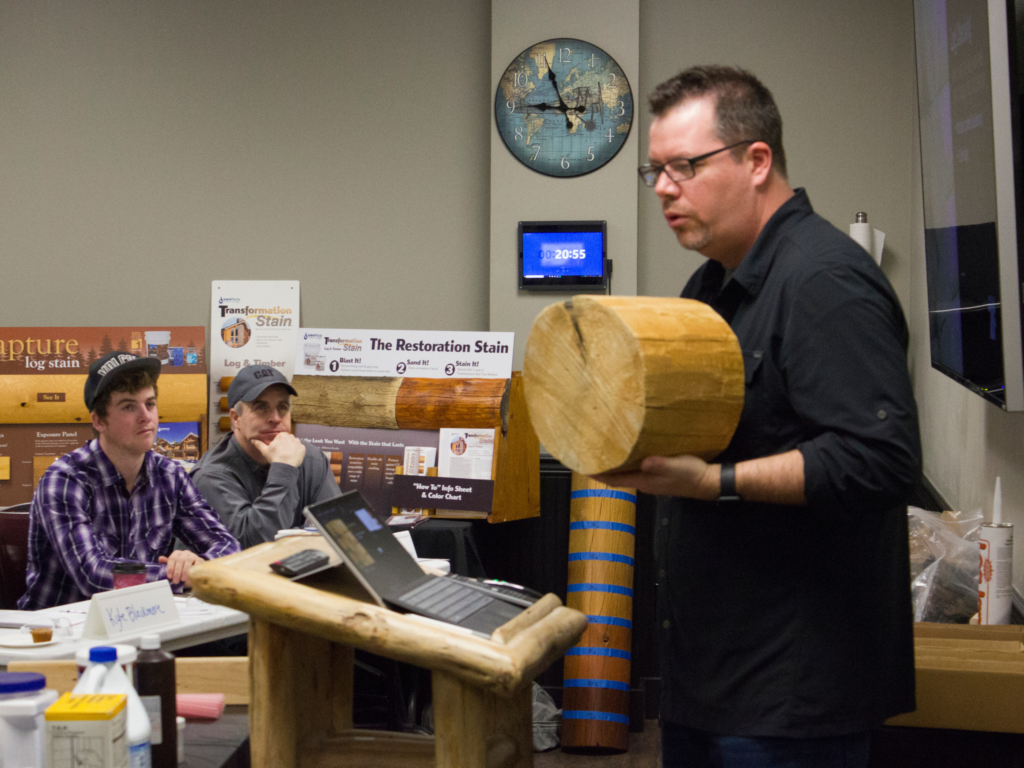
Being great at the work is important. But understanding the science behind the work, knowing how to diagnose problems, choosing the right products, and building a business that can sustain your success are what help set a professional apart.
Zero Failures combines wood science with business focus, giving professionals an opportunity to sharpen their technical knowledge, learn more about product performance, connect with other pros, and take a fresh look at how they approach their businesses.
It’s a chance to step away from the daily demands of the jobsite and invest in something that pays dividends long after winter is over.
Because the best time to get better at what you do isn’t when you’re already buried in spring projects. It’s when you have the time to learn, plan, and put those lessons to work.
Don’t just wait for spring. Get ready for it.
The exterior work may be slowing down, but your business doesn’t have to. Stay visible, find opportunities indoors, strengthen your customer relationships, and invest in your next season.
When the weather breaks and the calls start coming in, you’ll be glad you did.
Ready to stain? Don’t guess! Sample. Testing stain colors on your actual logs before committing ensures that you get the exact look you want and helps prevent “oops” moments later. Snag your free samples here.
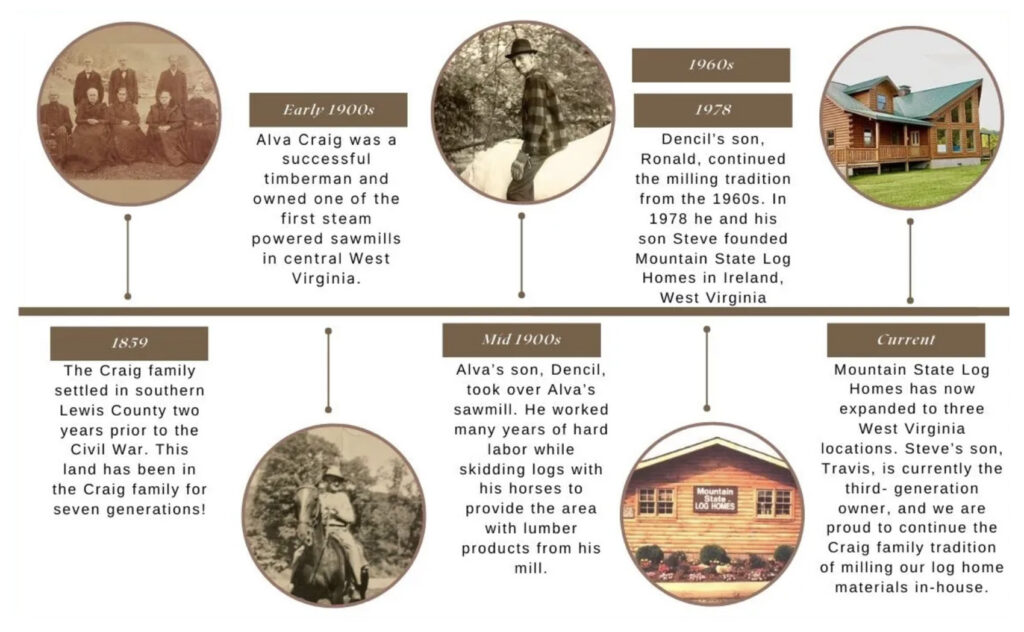
From a family’s roots in West Virginia’s timber industry to more than 1,400 custom log homes across the country, Mountain State Log Homes has built its reputation on quality materials, attention to detail, and a commitment to doing things right.
Some businesses begin with a carefully laid-out plan. Others grow from years of experience, a willingness to try something new, and an opportunity that turns into something much bigger.
For Mountain State Log Homes, it started with a family tradition, a piece of equipment, and one log home.
Today, the family-owned company has produced and delivered materials for more than 1,400 custom log homes, cabins, mountain retreats, and forever homes. Nearly five decades after its founding, Mountain State Log Homes continues to build on the same principles that started it all: quality materials, skilled craftsmanship, and personal service.
And for this West Virginia company, those principles show up in everything from the wood they select to the way they help customers bring their dream homes to life.
From a Family Sawmill to a Log Home Legacy
The story of Mountain State Log Homes began long before the company officially existed.
The Craig family had deep roots in West Virginia’s forestry and wood products industry. By 1975, Ronald Craig was operating a logging and sawmill business in central West Virginia. Over time, the operation expanded into pallet and wooden box production, building on generations of experience with timber, milling, and quality wood products.
A major turning point came when the business added a Pendo machine, giving the operation the ability to manufacture the logs needed to build log homes.
Ronald decided to put that new capability to use by building a log home of his own.
That one home quickly sparked something bigger.
After seeing Ronald’s home, a neighbor asked him to build one for them. Then another neighbor wanted one. Word continued to spread, and what began as one family’s experience in the timber industry naturally grew into a new business.
By 1978, demand had grown enough for Ronald and his son, Stephen Craig, to officially establish Mountain State Log Homes.
Since those early days, the company has grown from building homes locally to serving families across the United States. In 2008, Mountain State Log Homes relocated to its expanded production facility in Jane Lew, West Virginia, just off I-79 in Lewis County.
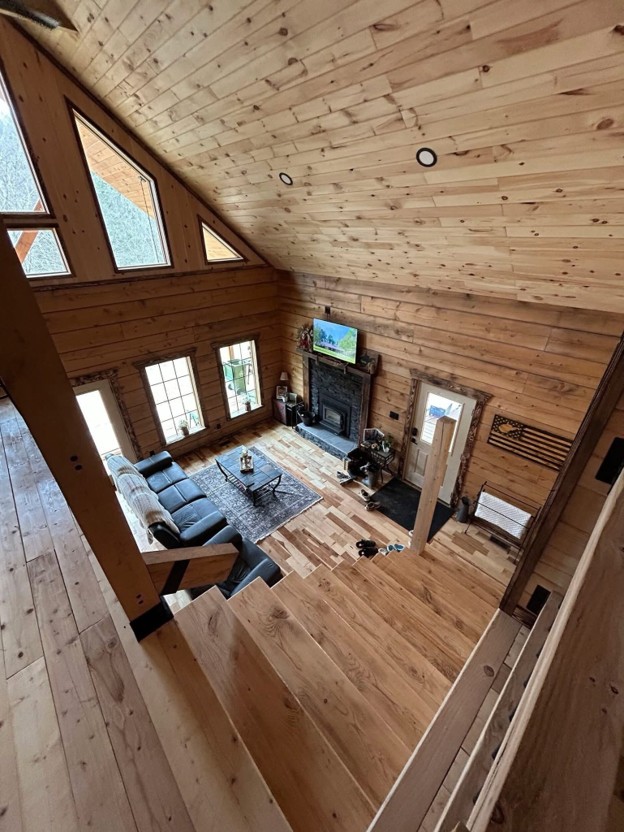
The property is also home to a beautiful 4,100-square-foot model log home and showroom, where customers can experience the craftsmanship, materials, and possibilities of a Mountain State Log Home firsthand.
Today, the company has expanded beyond custom log homes to offer timber frame pavilions, premium building materials, and professional-grade stains, sealants, and wood care products.
What started with a sawmill, a piece of equipment, and one log home in the 1970s has grown into a family legacy that continues nearly five decades later.
The Difference Is in the Details
Ask Mountain State Log Homes what sets the company apart, and they’ll tell you, “Quality isn’t just about the finished home. It’s about the decisions and details that go into building it.”
For nearly 50 years, the company has focused on using quality materials, proven processes, and solutions that give customers a better home and a better building experience.
It starts with the wood.
While many log home companies commonly use white pine, Mountain State Log Homes primarily uses hemlock, chosen for its durability, weather resistance, insect resistance, and fewer defects. The company strategically sources its timber, even bringing it in from other states when necessary, to find the highest-quality materials available.
That same standard extends to the stains, sealants, roofing, and other products the company recommends and provides.
A Corner System Designed to Make a Difference
Mountain State Log Homes also has its own unique Dovetail Interlocking Corner System, along with a proprietary corner routing process.
The company routes a full inch and a half of the log profile into the matching corner, creating an exceptionally tight interlocking joint and helping eliminate opportunities for gaps at the corners.
It’s a detail that adds strength and performance while giving the home the unmistakable character of a true dovetail log home. And that attention to detail doesn’t stop at the corners.
A Dry-In Package Built Around Real-World Needs
Mountain State Log Homes takes pride in offering one of the most complete Dry-In Packages in the industry. The company has spent decades refining what’s included based on what its customers and contractors actually need.
The package includes internal dimensional lumber, metal roofing, log railings, staircases, interior and exterior stain materials, full log gables, and even trapezoid windows.
The approach to those specialty windows is a good example of how the company thinks through the building process. Rather than ordering trapezoid windows based solely on the plans, Mountain State Log Homes waits until the contractor has completed the necessary portion of the home. Then the openings can be measured to ensure the most accurate fit possible.
These may seem like small details, but they can make a significant difference during construction and throughout the life of the home.
As the company’s sales team puts it, “Wherever there is a problem, we find a solution in our process.”
Over the years, whenever the team has identified a way to improve the building process, prevent a common issue, or provide something customers would otherwise have to source themselves, it has worked to incorporate that solution into what the company offers.
The goal is simple: anticipate needs, solve problems, and help customers have a better experience.
Family-Owned Means Personal Service
Quality materials and construction methods are important, but Mountain State Log Homes believes there’s another essential part of the equation: the relationship with the customer.
Generations of the Craig family have served in leadership, carrying forward the same expectations for quality that the company was founded on in 1978.
The company isn’t focused on selling the most homes. It’s focused on serving each customer the best it can. That means taking the time to work one-on-one with customers, listening to what they want, answering their questions, and helping guide them through what is often a once-in-a-lifetime experience.
It’s an approach that has helped Mountain State Log Homes build a reputation as a trusted name throughout the East Coast.
As Travis Craig explains, the company has experienced the ups and downs of the log home and building industries. Through every change, it has continued to adapt, grow, and stand behind the quality of what it provides.
For Mountain State Log Homes, longevity is something to be proud of. After 48 years, the family is still here, the reputation remains strong, and the business continues to grow without losing the quality, craftsmanship, and personal service that built it in the first place.
A Partnership Built on Quality: Mountain State Log Homes and Sashco
About 10 years ago, Mountain State Log Homes began looking for the highest-quality products it could offer its customers.
The team was constantly being asked which stains, sealants, and maintenance products would perform best and last the longest. They wanted to find a company and product line they could confidently recommend and stand behind.
After receiving samples and learning more about Sashco Log Home products, the fit became clear. Like Mountain State Log Homes, Sashco is family-owned, and the two companies share an emphasis on quality, customer service, and continually improving their products. Mountain State Log Homes also appreciates the wide variety of stain options Sashco offers its customers.
But the relationship has grown beyond simply carrying products.
Travis Craig traveled to Sashco for its Zero Failures training, spending a week learning more about the products, proper application, and the business side of log home finishing.
Seeing firsthand the research, education, and effort that go into producing high-quality products gave Mountain State Log Homes even more confidence in what it was offering its customers.
The partnership has continued to evolve. Through Sashco’s Start Right program, Mountain State Log Homes customers receive additional guidance and follow-up to help them properly care for and maintain their log homes over time.
That continued education and support fits perfectly with Mountain State Log Homes’ own commitment to serving customers well beyond the initial purchase.
For the past decade, the partnership has worked because both companies share a similar goal: provide quality products, educate customers, keep finding better solutions, and help ensure log homes are protected and enjoyed for years to come.
Putting That Trust to the Test: The Mountain State Model Home
When it came time to refinish the exterior of its own model home in Jane Lew, West Virginia, the team at Mountain State Log Homes didn’t have to think twice about which products to use.
In 2026, the company completely refinished the exterior of the home using Sashco products.
And this wasn’t just any project.
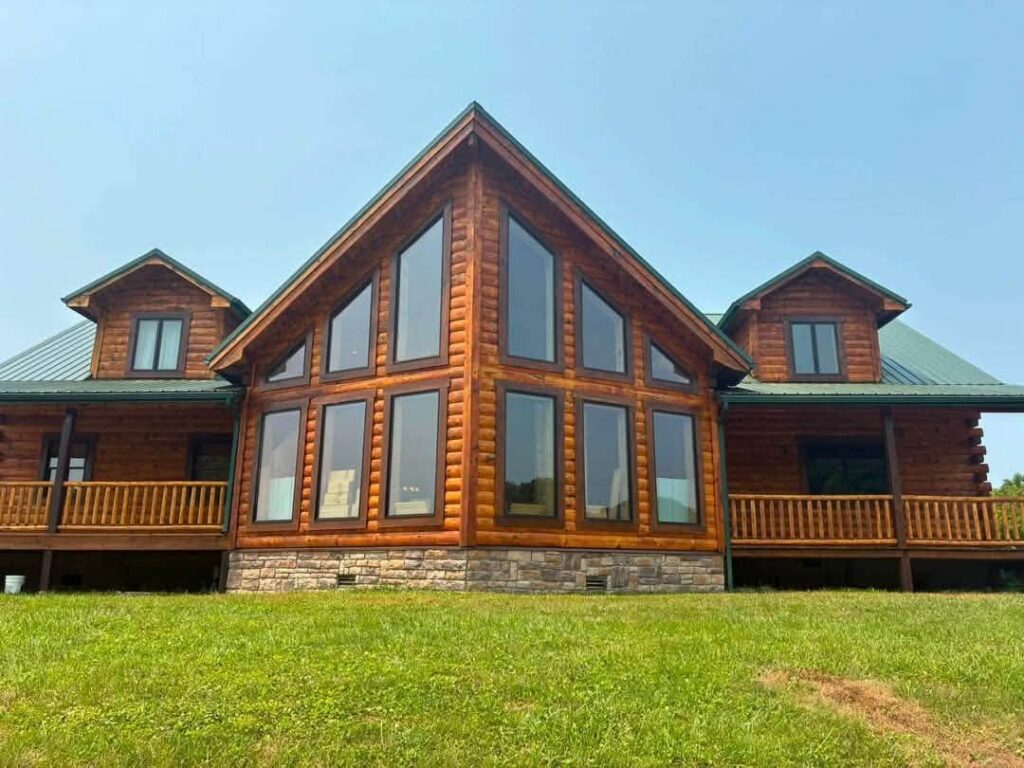
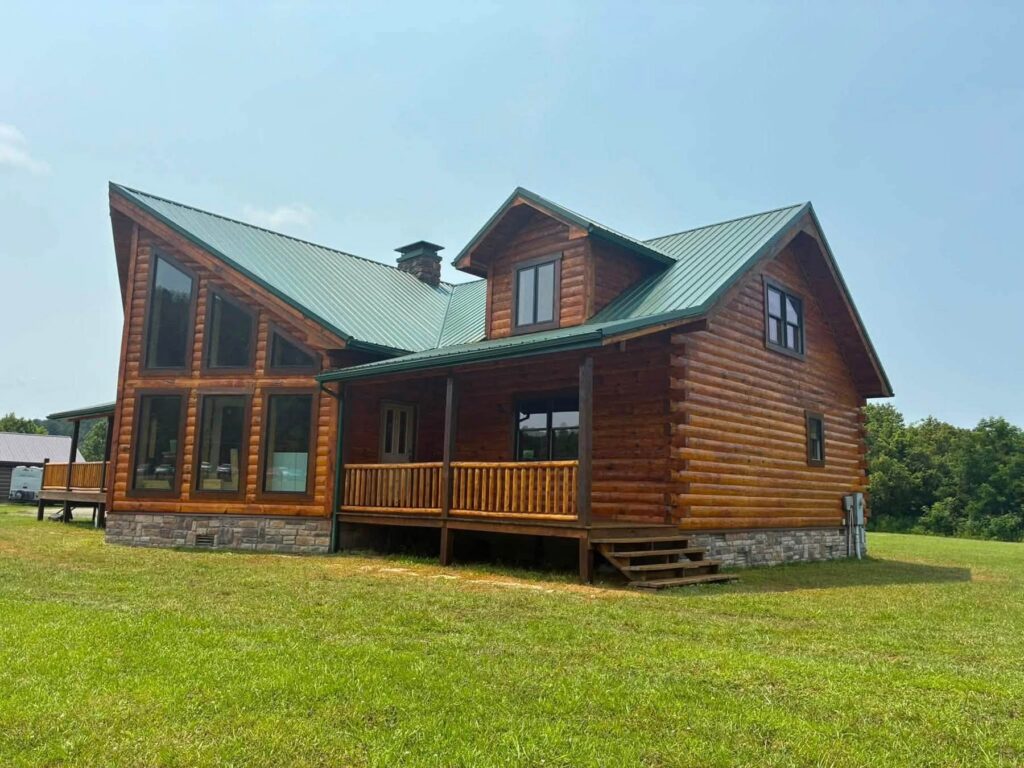
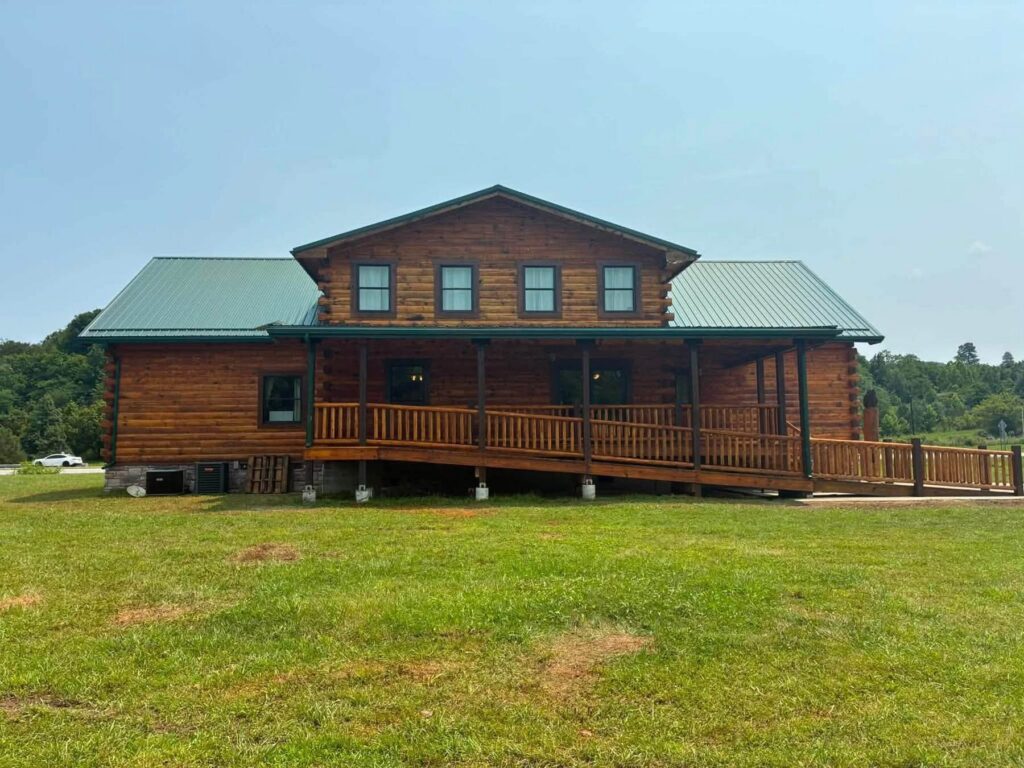
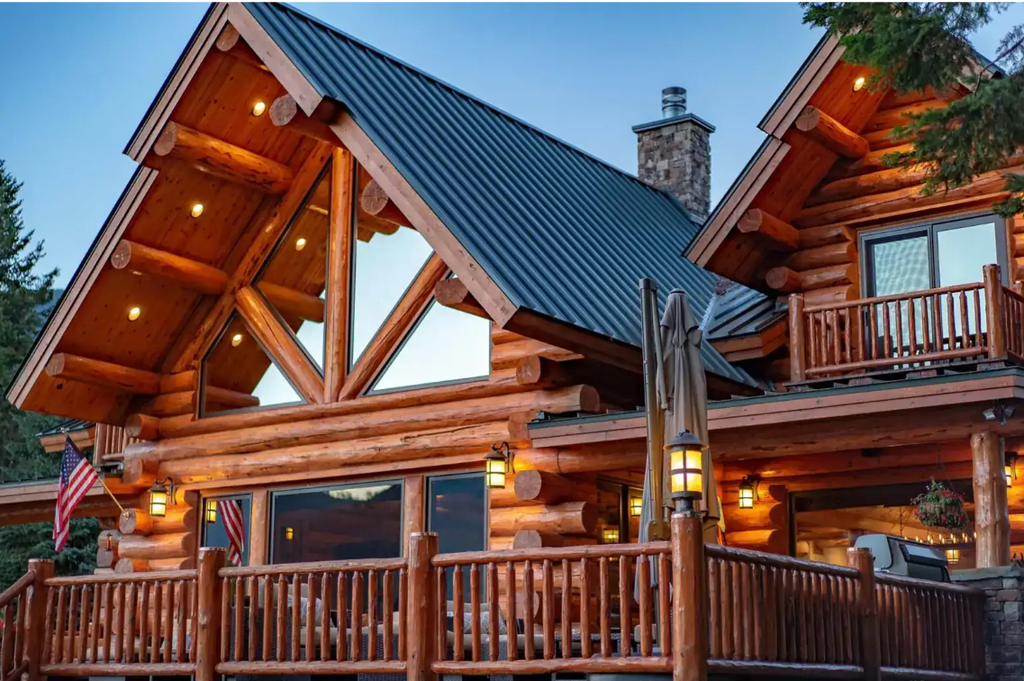
The model home is one of the biggest representations of the Mountain State Log Homes brand. Sitting directly along I-79, it serves as the company’s office and the place where customers come to see, touch, and experience a real log home before building their own. It’s a home that represents the company every single day.
The project began with media blasting the logs back to bare wood, completely removing the old finish and giving the home a fresh start. From there, the team applied Sashco Transformation Stain in Gold Tone Light.
The finished result brought out the natural character and beauty of the logs while providing the long-lasting protection the company wanted for the home.
For Mountain State Log Homes, choosing a stain is about much more than adding color. The right stain highlights the natural beauty of the wood, protects the investment, and plays a major role in the overall look and longevity of a log home.
The model home is something the company is incredibly proud of, and choosing Sashco for such a visible and important project speaks to the confidence Mountain State Log Homes has in the products.
When the home representing your own business needs a new finish, the products you choose matter.
The Future of Log Homes: More Than Just a House
Looking ahead, Mountain State Log Homes sees log homes becoming increasingly associated with luxury and lifestyle.
For many customers, building a log home isn’t simply about constructing a house. It’s about creating a second home, a vacation retreat, a retirement home, or something they’ve dreamed about for years.
Being part of bringing that dream to life is one of the things the company enjoys most.
The team is also seeing more people wanting to move away from city life and build in rural areas, where they can enjoy more space, privacy, and a different pace of life.
With more people able to work remotely from almost anywhere in the country, they have greater freedom to choose where and how they want to live. A log home fits naturally into that lifestyle. For Mountain State Log Homes, the opportunity ahead is to continue helping customers make their homes truly their own.
Every customer’s vision is different. The company wants to provide the quality materials, options, knowledge, and support needed to bring those individual visions to life.
Strong partnerships play an important role in making that possible. Working with companies that share its commitment to quality allows Mountain State Log Homes to continue offering better products, more options, and dependable solutions as the industry evolves.
Ultimately, everything comes back to the customer: understanding what they want and helping turn the log home they’ve been dreaming about into a reality.
Advice for Homeowners and Contractors: Take Pride in Doing It Right
After nearly five decades in the industry, Travis Craig’s biggest piece of advice for new log homeowners and contractors is simple: Take pride in doing it right from the beginning.
A log home is a major investment, but for most customers, it means much more than that. It’s their dream home, vacation home, retirement home, or a place they’ve worked toward for years.
Whether you’re the homeowner purchasing the home or the contractor building it, that dream deserves a certain level of care and attention.
For homeowners, the advice is to do your research. Look at the different materials, products, building methods, and companies available to you. Quality matters, and making the right decisions in the beginning can make a tremendous difference in the longevity of your home.
For contractors, remember what you’re building for someone. Pay attention to the little things, use the right products, and be willing to go the extra mile.
At Mountain State Log Homes, that commitment has always meant putting additional attention into areas like corner systems, butt joints, and other critical details to help ensure everything is tight and built correctly.
It’s the same philosophy that has guided the company since its beginning: do the work carefully, solve problems wherever possible, and never lose sight of the people who will live in the homes being built.
Ready to stain? Don’t guess! Sample. Testing stain colors on your actual logs before committing ensures that you get the exact look you want and helps prevent “oops” moments later. Snag your free samples here.
Two teenage brothers, a remote corner of Montana, and a cabin built just for fun. What started as a weekend project decades ago helped lay the foundation for a family business that would grow to build log homes across the country. Now, three generations later, the family is making sure the little cabin that started it all isn’t forgotten.
Some stories start with a business plan. Others start with two teenage brothers, a pile of logs, and an idea.
Today, Meadowlark is an established log home manufacturer based in Libby, Montana, but the roots of the company reach back to a much simpler time, when the family was living in a remote corner of northwest Montana and figuring things out as they went.
And surprisingly, the story of how it all began is still standing in the woods.
Two Brothers, One Cabin, and an Idea
The story of Mountain State Log Homes began long before the company officially existed.
Meadowlark’s story begins in the early-to-mid 1970s, when the family moved from an Amish community in Indiana to northwest Montana. They were among the first four families to establish a new Amish community in the area.
It was a very different way of life. The region was remote, and daily living was simple and often primitive. There was no electricity, indoor plumbing, or running water. The family made their living through hard work, and the grandfather operated a sawmill, milling railroad ties.
But it was two of his sons, Lloyd and Irvin, who unknowingly set something much bigger in motion.
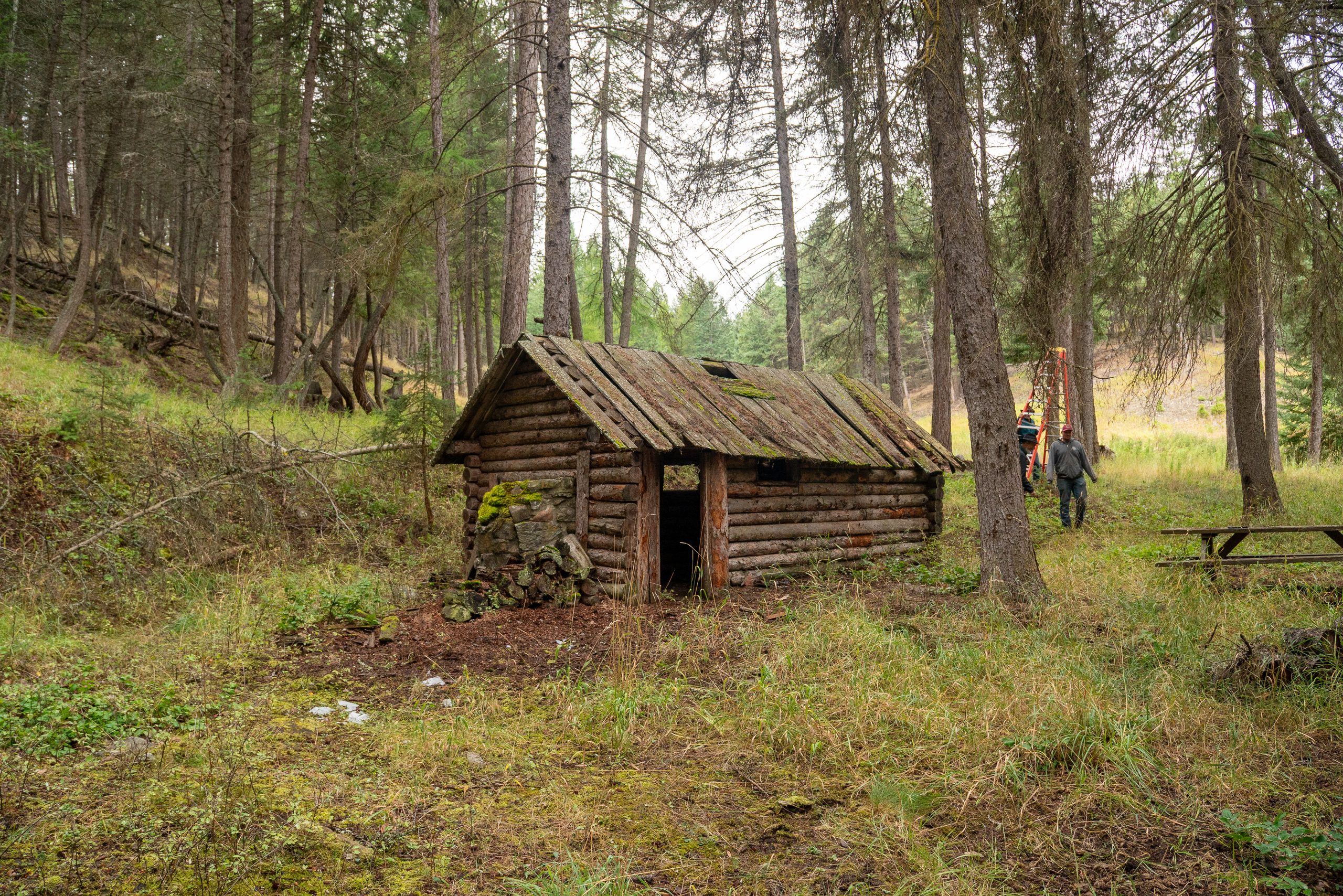
At just 14 and 16 years old, the brothers decided they wanted to build something of their own in their spare time. They milled some logs with a flat profile and came up with their own version of a log cabin.
“They didn’t have any concept of what to do. They just had this idea in their mind and went and kind of invented their own version of a log cabin.”
The boys used small, roughly eight-inch lodgepole logs, left the bark on, and stacked the logs flat on top of one another. On weekends and during the summer, they built a rustic little cabin along a creek. It wasn’t intended to be a product, a business, or even anything particularly ambitious. It was simply a place to hang out and camp. But their grandfather saw something in what they were doing.
At the time, Montana already had plenty of traditional log home builders using full-scribe and chink-style construction methods. The family recognized that their flat-on-flat approach offered something different: a much faster, less labor-intensive way to build.
What started as an accidental invention turned into a pretty smart building concept. And just like that, a business idea was born.
Four Generations Preserving History
The Difference Is in the Details
The family began building log cabins for customers in the surrounding area, with their first market centered around Eureka, Montana.
By the early 1980s, what had started as a small operation was becoming a full-time business. The grandfather and his sons worked together, building and pre-assembling homes before shipping them to customers.
As demand grew, so did their reach.
Through the 1980s and 1990s, Meadowlark expanded beyond Montana, developing dealers in Washington, Wisconsin, Indiana, South Carolina, and other states. Washington became a particularly strong market.
The business continued to grow, and in 1992, the family relocated about an hour and a half south to Libby, Montana, where they purchased property and established the operation that remains home to the business today.
What began with a couple of teenagers experimenting with logs beside a creek had grown into a company shipping log homes across the country. And the family connection never went away.
Today, the business is in its third generation, a pretty remarkable legacy for a project that was originally just something two brothers wanted to build on the weekends.
The original cabin built by Lloyd and Irvin.
A Corner System Designed to Make a Difference
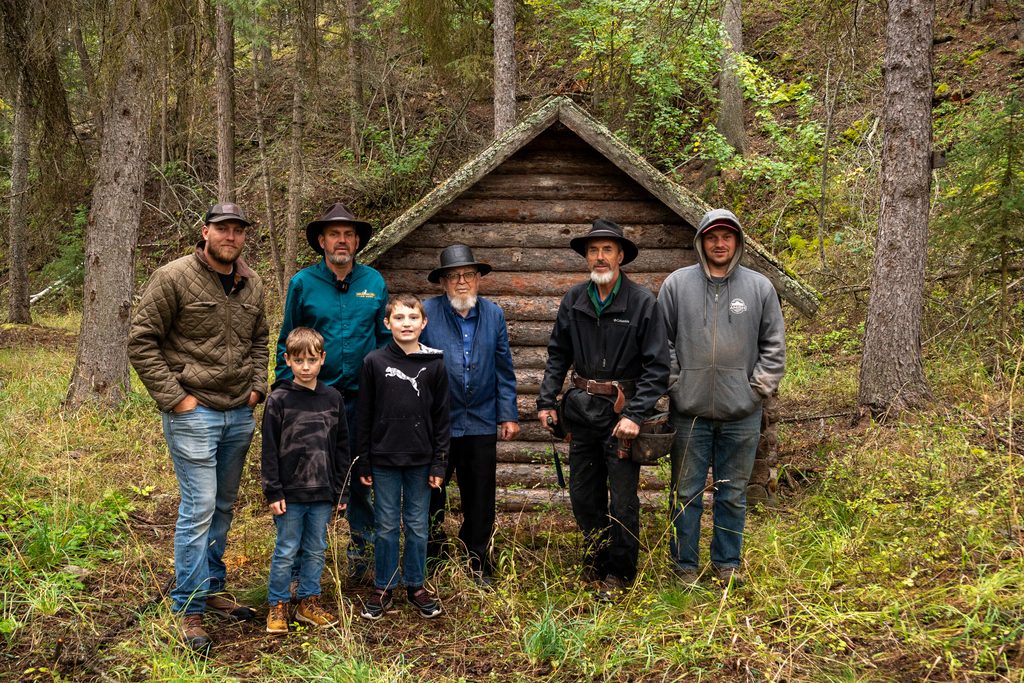
Here’s where the story gets even better. That original cabin? It’s still there. Tucked between two small hills along a creek, the little structure has remained on the property where the family once lived.
The surrounding land is largely untouched, and the cabin has been sitting there for decades, quietly holding onto its place in the family’s history.
Over the years, the family would occasionally return to visit it. They knew its story, and it was always there. But time takes its toll, even on the things we wish could last forever.
The cabin’s original roof was made of boards, and the structure had never been stained or finished. It had simply weathered naturally, developing the aged, rustic appearance you’d expect from a building that’s spent decades in the woods.
For the past several years, the family had talked about doing something to preserve it. Eventually, they realized that if they didn’t act, the cabin would eventually deteriorate beyond repair.
Earlier this year, they decided it was time.
Jalon reached out to his dad and uncle Lloyd, one of the original builders, and they made a plan to head back to the cabin and tackle the first priority, replacing the deteriorating roof.
They also applied a borate treatment to give the wood some added protection.
It wasn’t a major renovation or an attempt to make the cabin look brand new. The goal was simply to stabilize it and give it a chance to stick around.
And there’s more to come.
A Family Heirloom With a New Home
The family has since spoken with the current landowners, who have agreed to let them relocate the original cabin. In exchange, Meadowlark plans to build the landowners a new cabin of the same size, allowing the original structure to come home.
The plan is to carefully transport it to the Meadowlark property in Libby, where the grandfather still lives just a few hundred yards from the facility. There, it will have a permanent place where the family can preserve it for years to come, hoping it will become more than just a family keepsake.
The cabin could eventually be included in tours of the Meadowlark facility, giving visitors a chance to see the very beginning of the company’s story firsthand.
There’s just one important decision left, what to do with the stain and finish. The family wants to preserve the cabin’s original appearance, including the natural gray patina that has developed over the decades, while still finding a way to protect the wood.
“We don’t want to completely change it. If we could keep it the way it looks right now, but preserve it, that would be the ideal.”
It’s a familiar challenge for anyone who owns an older log home: how do you protect something with so much character without taking away the very things that make it special?
The Story Isn’t Finished Yet
If you enjoy seeing how things are built, restored, and brought back to life, you’re going to want to follow this project.
Meadowlark has already shared a 35-minute video documenting the initial cabin work on its YouTube channel, with another version available on the family’s Amish Meadows YouTube channel.
And this isn’t the last you’ll see of it. The family plans to document the relocation process as well, which is expected to happen next spring.
There’s also a fun family connection behind those YouTube channels. The founder’s son still creates plenty of content, particularly around log home staining and projects, sharing his hands-on experience with viewers. His Amish Meadows channel has been around for more than a decade and has built an audience of approximately 120,000 subscribers.
When it comes to sharing knowledge, the family clearly hasn’t lost its enthusiasm.
The next generation is continuing to build on what came before, and that includes investing in education.
Meadowlark Log Homes
We’re proud to have Meadowlark Log Homes as one of our preferred manufacturing partners and love seeing a family take such care in preserving the history behind what they’ve built.
Because sometimes the most meaningful part of a company’s story isn’t the building, the equipment, or even the number of homes it has shipped.
Sometimes it’s a little cabin in the woods, built by two brothers who were just looking for something fun to do on the weekend. And still bringing the family together more than 50 years later.
Ready to stain? Don’t guess! Sample. Testing stain colors on your actual logs before committing ensures that you get the exact look you want and helps prevent “oops” moments later. Snag your free samples here.
A beautiful log home finish doesn’t happen by accident. Behind the finished product is a professional who understands the wood, knows what it takes to protect it, and recognizes that the right work today can make all the difference years down the road.
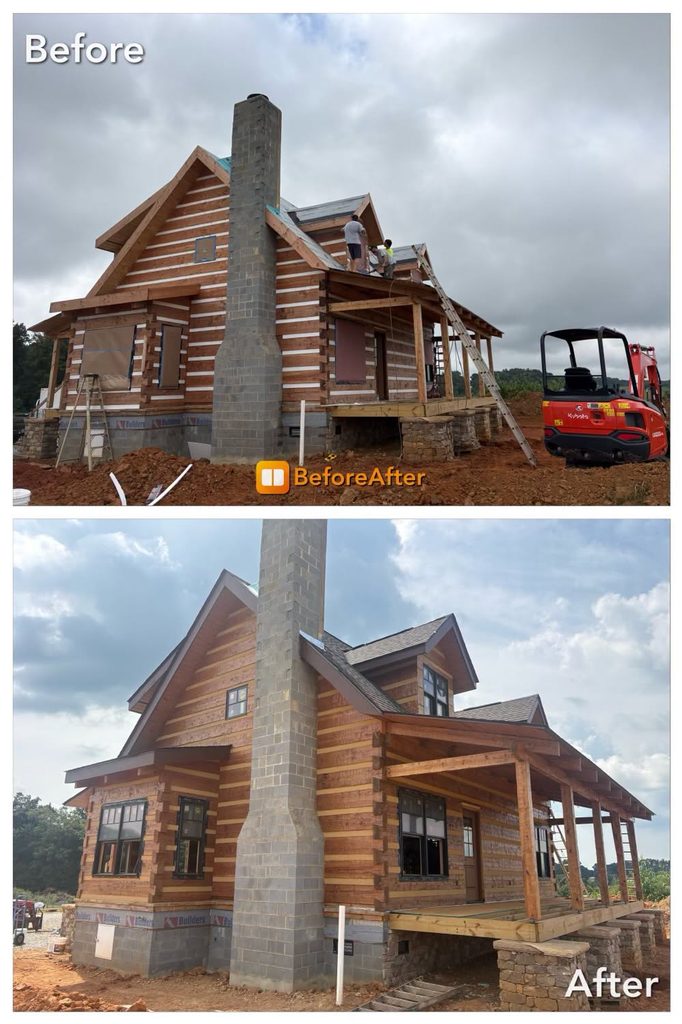
This month, we’re shining a spotlight on Brothers Log Cabin Restoration, one of Sashco’s Zero Failures graduates. Fresh off the completion of a stunning StoneMill Log & Timber Homes project, we sat down with the lead craftsman behind the work to hear his story. Beyond the beautiful, finished home, we explored how he got started in the log home industry, what keeps him passionate about the trade, and the key lessons he’s learned throughout his journey.
From Classic Cars to Log Homes
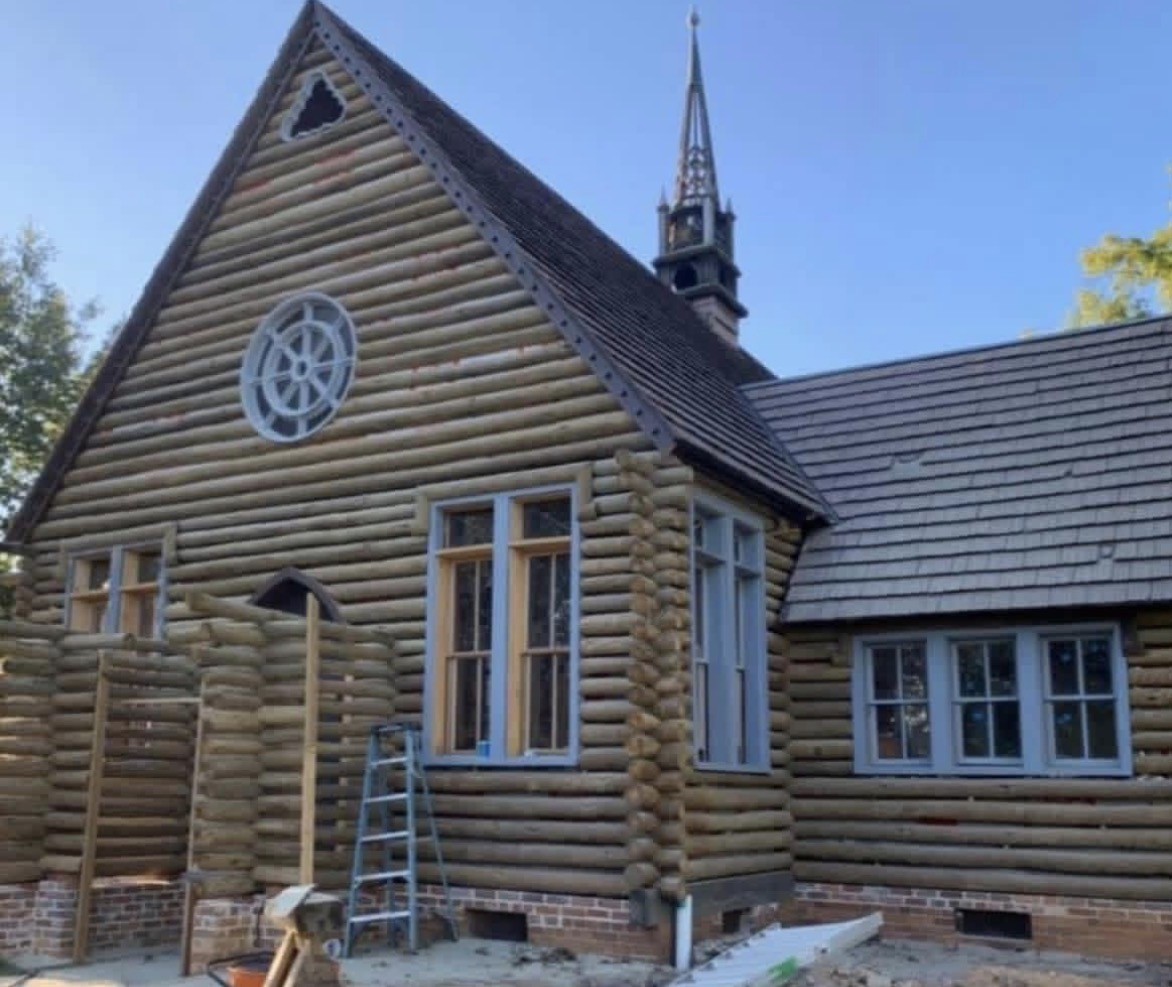
His path into the log home industry wasn’t exactly conventional. He originally owned a sandblasting shop specializing in classic cars. But an unexpected phone call from a friend working on a log chapel at Berry College opened the door to something new.
“A buddy of mine was working on a log chapel for Berry College, and he asked if I thought I could blast logs. I said we could give it a shot, and it turned out nice. That’s when I decided I wanted to start working on log homes.”
The transition made sense. He already had a construction background, having grown up framing houses alongside his dad. Log homes gave him an opportunity to combine that hands-on construction experience with the restoration and finishing work he had come to enjoy.
A Project That’s Close to Home
Barnwell Chapel at Berry College
The earliest project is still the one closest to his heart.
When asked which project stands out most throughout his career, Josh didn’t hesitate.
“Barnwell Chapel at Berry College. It’s close to home, so I’m able to drive by it and show my kids what Daddy does.”
There’s something special about that. A project that started with a simple favor for a friend became the beginning of a career. Today, it’s something he can point to with pride and share with his family.
It’s a reminder that the work these professionals do often becomes part of something much bigger than the project itself.
The Best Investment a Log Homeowner Can Make
Ask an experienced log home professional what homeowners should know about protecting their investment, and the answer is often refreshingly simple. Routine maintenance.
“Routine maintenance will save you a ton in the long run.”
It’s advice worth taking seriously. Log homes require ongoing attention, and putting off maintenance can allow small issues to become much bigger, more expensive projects.
The same thinking applies when choosing finishing products. The initial investment matters, but so does how well those products perform over time and what it takes to maintain them. His recommendation? “Well, of course I would tell them to go with Sashco products if they want it to last and not have to be redone in 3-4 years.” Remember, the finish is only part of the story. Regular maintenance, informed product choices, and a knowledgeable professional can help protect your log home for years to come.
He particularly appreciates the Sashco finishing system’s separate topcoat, Cascade, which can be reapplied as needed to help maintain protection and extend the life of the finish.
It’s an important distinction for homeowners, choosing a finish isn’t just about how it looks on day one. It’s about understanding how that finish will perform, how it can be maintained, and what you’ll be investing in down the road.
Putting Experience Into Practice: A StoneMill Home
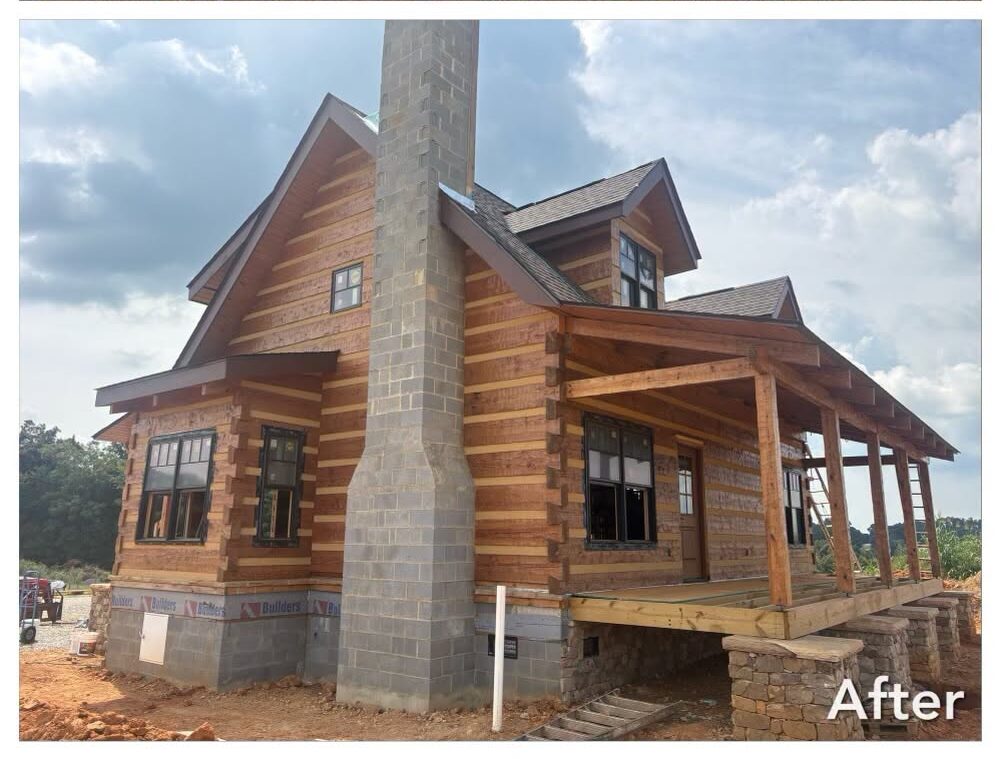
One of his recent projects was the finishing work on a StoneMill Log & Timber Homes build.
The completed home showcases a thoughtful combination of color, protection, and finishing products, with a warm, layered look that carries throughout the home.
Inside, the combination of Capture in Hazelnut and Symphony brings warmth to the interior woodwork.
The project also incorporated Conceal in a Brown tone and Tim-bor borate treatment as part of the overall finishing process.
The result is a finished home that reflects the attention and experience that go into properly preparing and protecting a log home.
Stonemill Log Homes ProjectBefore & After
Experience Matters. So Does Continuing to Learn.
As a Sashco Zero Failures graduate, he has also invested in expanding his knowledge of the science behind log home products and the business side of working in the industry.
Zero Failures is designed to give log home professionals a deeper understanding of wood science, product performance, and the decisions that contribute to successful projects. Because in this business, experience is valuable. But pairing that experience with a willingness to keep learning is what helps professionals continue to deliver quality work.
We’re proud to have him as part of the Sashco professional community and appreciate the care and craftsmanship he brings to the log homes he works on. To the pros out there doing the work right, keep raising the bar. We see you, and we’re glad you’re part of the Sashco community.
Ready to stain? Don’t guess! Sample. Testing stain colors on your actual logs before committing ensures that you get the exact look you want and helps prevent “oops” moments later. Snag your free samples here.
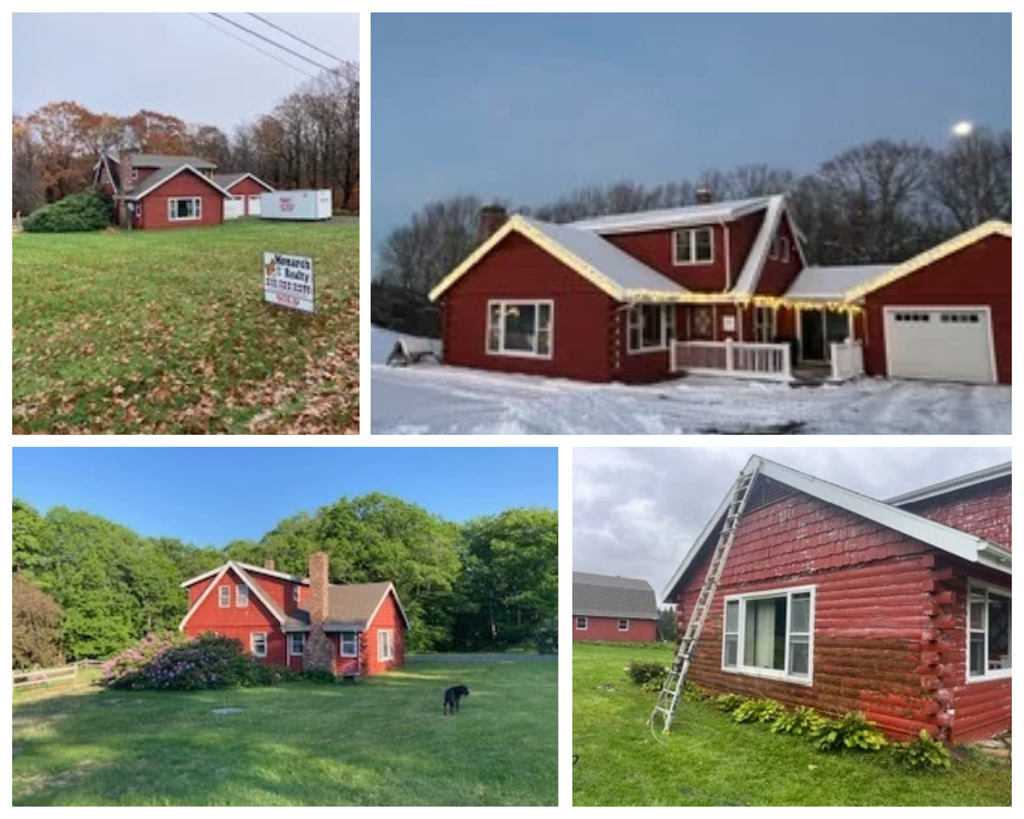
They knew the home needed some work when they bought it. What they didn’t know was how much damage was hiding beneath the paint—or just how big the restoration would become. For these homeowners, bringing their 1976 log home back to life was an investment in the place, property, and community they plan to call home for good.
Sometimes the right home isn’t far from where you’ve been living. It’s just a world away.
These homeowners had been looking for something a little more secluded. Fewer neighbors, room to hunt on their own property, and a quieter setting. When a log home came up for sale down the road from friends, they went to take a look.
They liked what they saw enough to put in an offer and were under contract before her husband had even seen the inside!
The home was only about 20 minutes from their previous house, but it was in a small, rural town tucked up on a mountain. As the homeowner put it, “It’s a completely different world up here, in a good way!”
They purchased the home from its original owners and builders. Built in 1976, it had seen few updates over the years, aside from an addition to the living room. The homeowners knew there would be projects ahead. What they didn’t fully realize was what was happening beneath the home’s fresh coat of paint.
What Was Hiding Beneath the Paint?
Before the home went on the market, the original owners’ handyman—who was also the realtor—had painted the entire exterior. Unfortunately, that made it difficult to see just how much log rot had developed.
The damage was most obvious on the north-facing side of the house, where a two-story rhododendron had been growing right up against the logs. But the full extent of the problem wouldn’t become clear until the restoration began.
The family wasn’t new to construction projects. They own a construction company and understand what it takes to work through a renovation, especially when you’re balancing the work with a budget and a timeline.
They were already replacing the windows when her dad took one look at the home’s exterior and made his recommendation clear, the house needed to be refinished before the damage went any further.
It was time to tackle the logs.
After blasting the paint off.
A Forever Home Worth the Investment
When selling isn’t an option, you figure it out.
Selling wasn’t on the table. The family loved the house, the property, and the town. They knew this was where they wanted to stay.
They also knew that a restoration of this size was likely coming eventually. With more than $30,000 going into the project, they wanted to do it right.
Their goals were straightforward:
Remove all the rot and replace damaged logs.
Get the exterior back to looking like a log home—not a painted one.
Seal and protect the home to help prevent future damage.
Address the exterior before continued window replacement could lead to even bigger repairs.
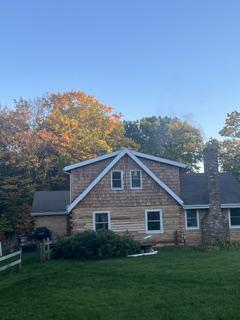
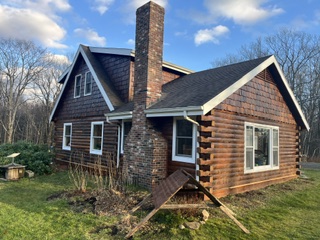
When it came time to restore and protect their home, the homeowners turned to the log home community for recommendations and ultimately hired Adirondack Log Maintenance. Together, they selected Transformation Log & Timber Stain in Brown Tone Medium, giving the home a warm, timeless look that highlights the beauty of the wood.
It was a significant investment, but one they saw as necessary to protect the home they plan to keep.
A Ten-Day Job Turns Into Two Months
Every restoration has its surprises. This one came with a big one.
The original plan was to use a stripping agent to remove the paint and the thin layer of stain underneath it. But the stripping agent wouldn’t remove the coatings as expected. The restoration company ultimately had to hand-sand and grind the entire house.
What was estimated to be a 10-day job stretched into two months.
That’s a pretty significant change of plans, but there was one unexpected upside. As the paint came off and the logs were exposed, people around town started noticing.
The homeowners said, “People were stopping us at the dump to tell us how good the house looked, even before it had been stained.”
That’s quite a compliment for a home that was still in the middle of restoration!
The project made it through the major work, although the first snows have arrived and some of the final finishing details will likely have to wait until spring.
More Than Curb Appeal
For these homeowners, the restoration was about much more than having a good-looking exterior.
They wanted peace of mind. With the windows being replaced, they no longer wanted to worry that working on one part of the house would uncover more damage in the logs. Getting the restoration done means one enormous project is finally off their shoulders.
And while they’re a handy family who feels confident handling necessary repairs down the road, they learned something along the way. If they ever take on a project like this again, they’d bring in a media-blasting company to help move the process along. Wisdom!
There’s also a business connection to the home’s appearance. The family has a vacation-rental barn on the property, and the main house is part of the experience guests see when they arrive. A well-maintained property matters, not just for the family who lives there, but for the people they welcome onto it.
As the homeowner pointed out, you don’t want guests staying next to a rotting home.
One Big Project Behind Them. A Lot of Years Ahead.
The family is looking forward to enjoying the home without worrying about what might be happening beneath the finish. They hope this was the last major, necessary exterior project for a while. Nothing will make you more committed to good maintenance than a nightmare restoration project.
Next on the list? The bathrooms.
But for now, they can appreciate what it took to get the log home back to where it belongs and enjoy having that massive project behind them.
They love the house. They love the property. And after a restoration that turned a 10-day estimate into two months of work, they’re even more confident in their decision to make it their forever home.
Follow along: See more of the property and its story on Instagram at @the_red_barn_florida.
Ready to stain? Don’t guess! Sample. Testing stain colors on your actual logs before committing ensures that you get the exact look you want and helps prevent “oops” moments later. Snag your free samples here.
Every log home has a story, and few people understand that better than David and Brendan of Hallock Hill Restoration. What began as a shared passion for craftsmanship and woodwork evolved into a mission to help homeowners preserve the character and history of their homes.
From restoring a World War II-era cabin on Lake George to educating owners about proactive maintenance, their approach combines skilled craftsmanship with a deep respect for the homes and memories entrusted to their care. Get to know Hallock Hill Restoration.
How did you get started in the log home industry, and what keeps you passionate about the work today?
We started Hallock Hill Restoration because we saw a real need for specialized log home services in our area. Both of us come from contracting and carpentry backgrounds, and we’ve always shared a deep appreciation for the look, feel, and soul of a log home.
There’s something special about the warmth of the wood, the individual character of each log, and the craftsmanship you can still see decades after a home was built. These homes hold family traditions, quiet weekends, and years of memories. Being trusted to care for them means something to us.
What keeps us passionate is uncovering that beauty again while preserving what made the home special in the first place. We want our work to give homeowners that same feeling they had when they first fell in love with their home.
What’s one project that stands out in your career, and why is it memorable to you?
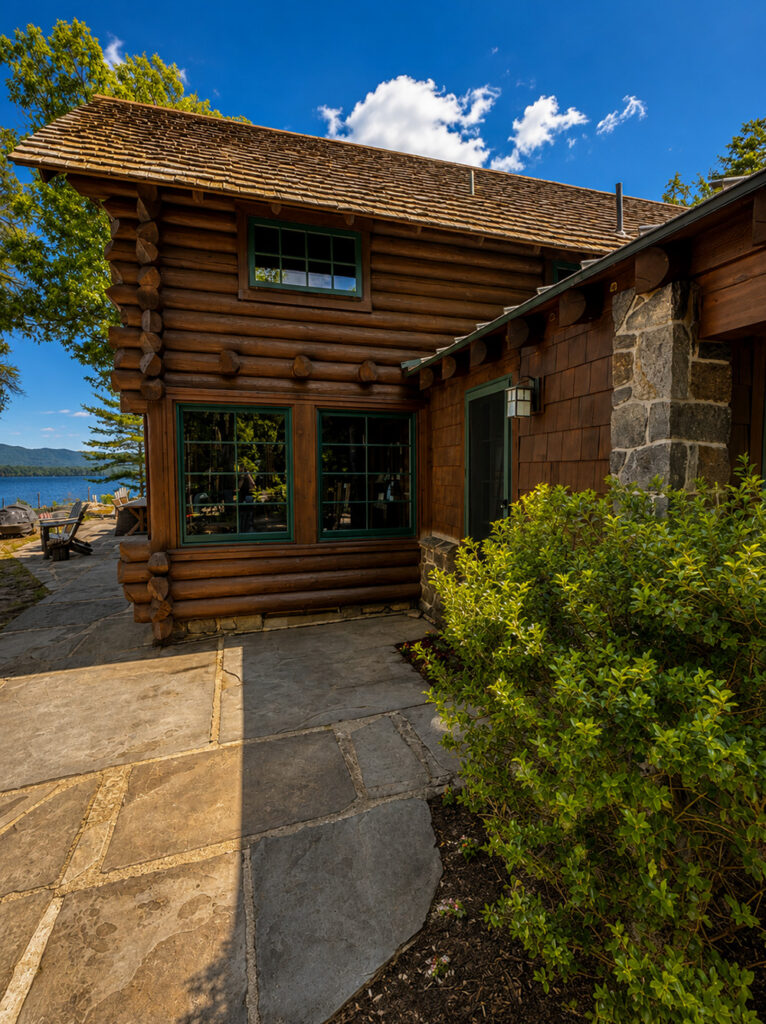
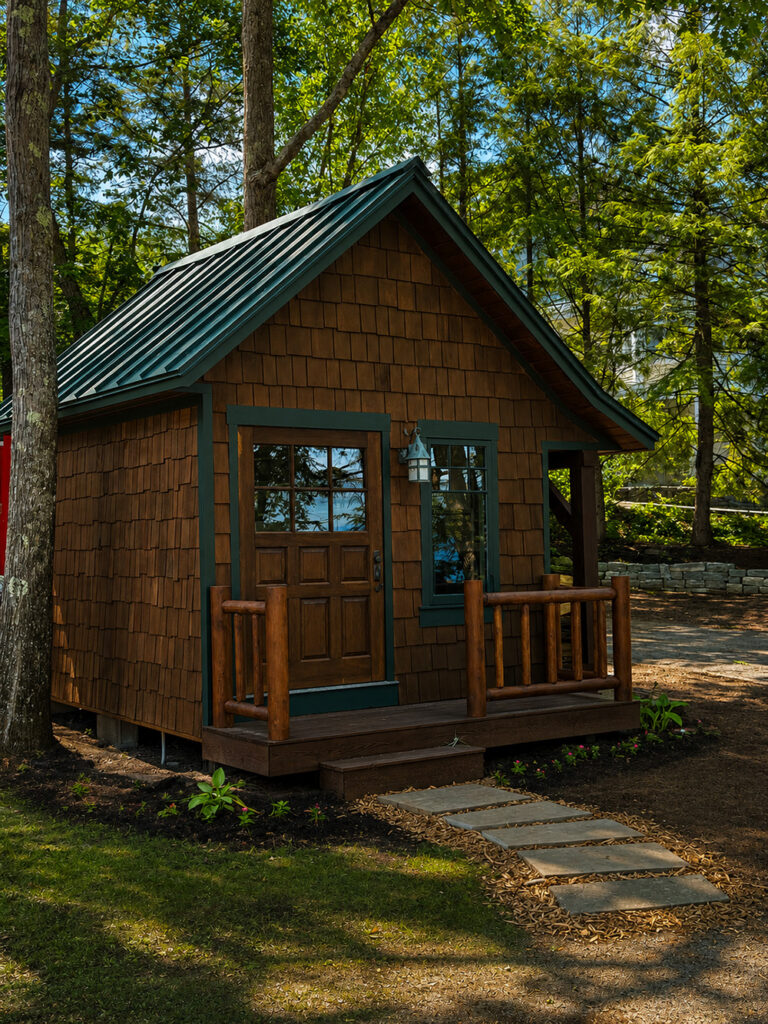
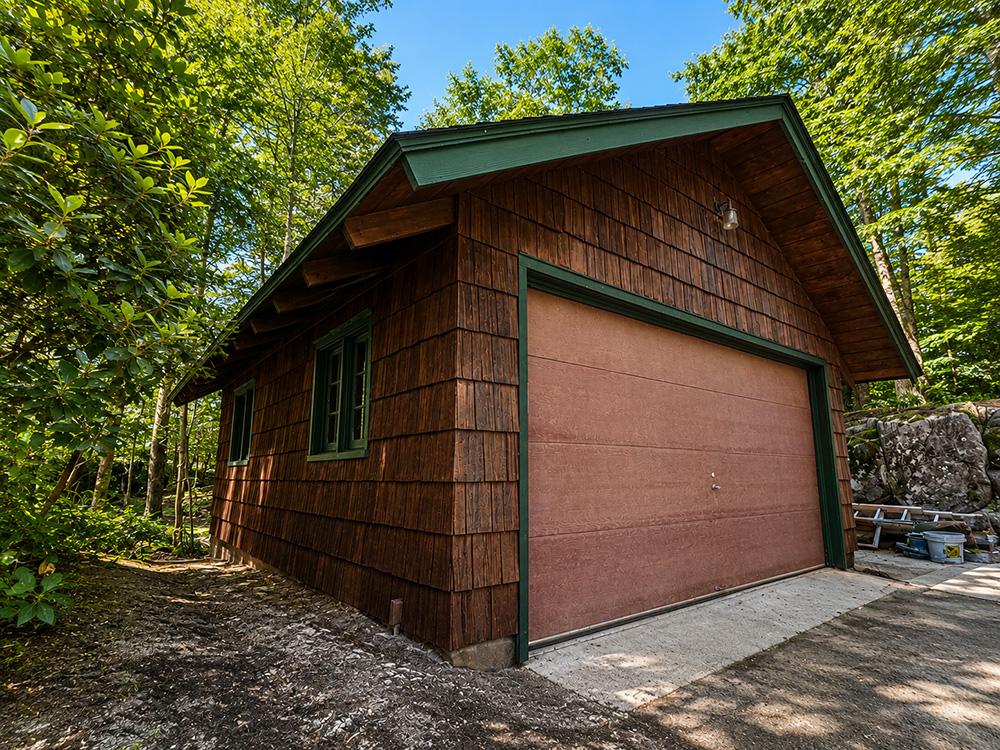
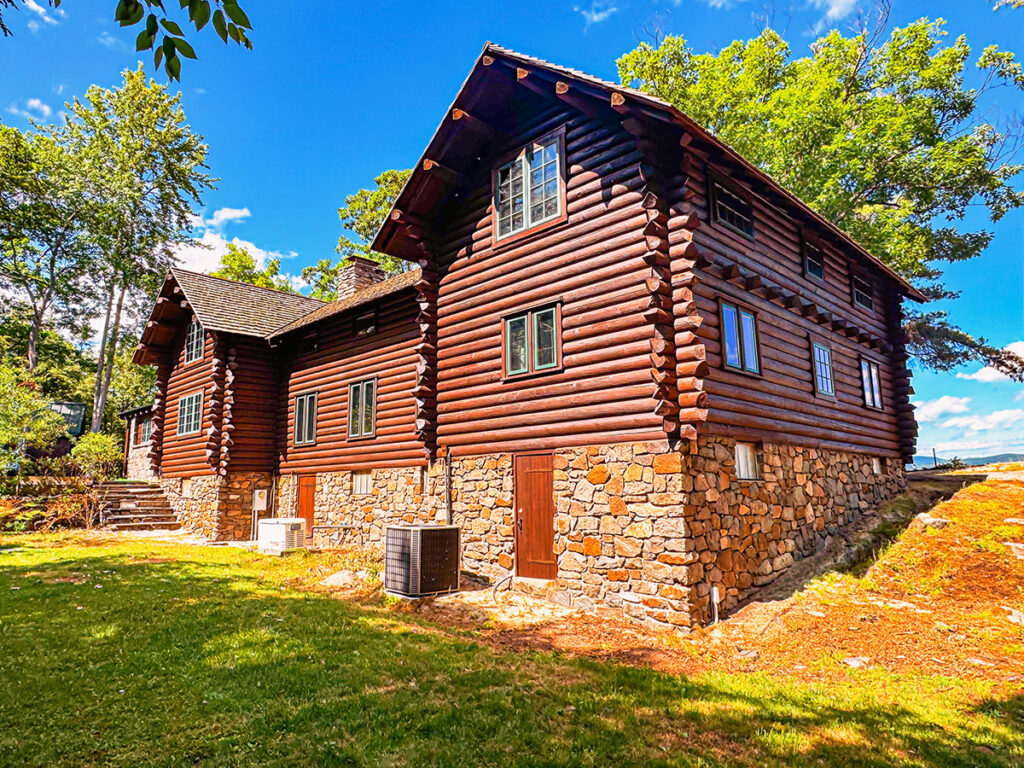
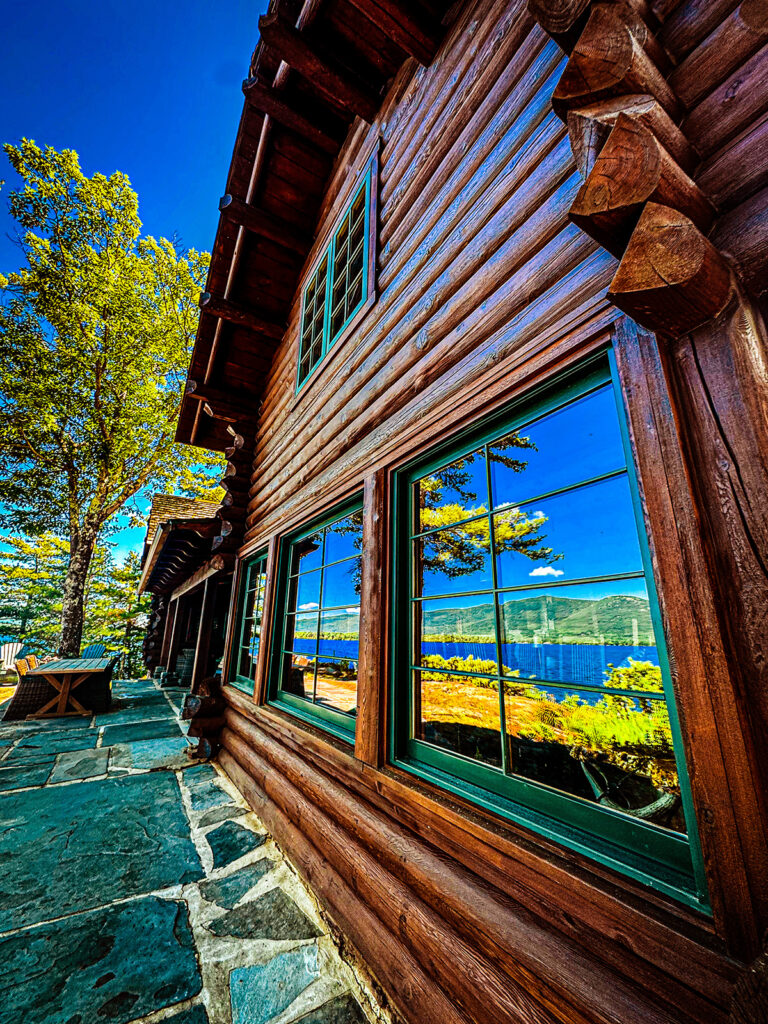
One that stands out is a large cabin we restored in Bolton Landing, New York, beside the Lake George Club. It was built during World War II, and knowing that history gave the work a deeper meaning. We restored the garage, sleeping shed, and main home!
As carpenters, you can’t help but think about the people who originally built a place like that. You pause to think about the hands, tools, and care that went into it. Working on that cabin felt like taking our turn in looking after something that had been there long before us.
Helping bring its beauty forward again, while respecting its age and character, was incredibly rewarding. That project reminded us why preservation matters: the work we do today helps determine what the next generation will get to enjoy.
What’s the most important lesson you’ve learned about caring for and restoring log homes that every homeowner should know?
The best time to care for a log home is while it still looks beautiful.
Consistent attention makes a tremendous difference. Take time to do inspections. Walking around your home each spring and fall, checking the finish and sealants, and noticing where water collects or splashes can help you catch small issues before they become expensive repairs. Proper cleaning and timely finish maintenance help protect the investment you’ve already made.
We want homeowners to understand their homes and feel confident caring for them. A restoration should come with a clear maintenance plan, so the owner knows what to watch for and when to call for help.
Finishing products can be a significant investment. What value do you see in choosing those products carefully, and what advice would you give homeowners to help them avoid costly mistakes?
A finish protects the wood, the craftsmanship, and the considerable investment surrounding it. Its value extends through the years you own the home.
By the time we apply a finish, a great deal of skilled work has already gone into preparing that surface. Choosing the right products helps protect all of that effort. An unsuitable product or a shortcut in preparation can create costs far beyond any initial savings.
That’s why we value Sashco’s Capture and Cascade system. It allows the character of the wood to show through and provides a practical path for ongoing maintenance. We care deeply about how a home looks when we finish, and how the homeowner will care for it in the years ahead.
Our advice is to choose products designed for log homes, confirm compatibility, follow the preparation and application requirements, and understand the maintenance plan before work begins.
Every home we restore carries our name long after the equipment leaves the driveway. We choose our products with that responsibility in mind.
We’re proud to work with professionals who refuse to cut corners. Hallock Hill’s dedication to training like Zero Failures, proven processes, and getting every detail right gives homeowners confidence that their log homes are protected for years to come. We’re thankful for pros who set the standard.
Ready to stain? Don’t guess! Sample. Testing stain colors on your actual logs before committing ensures that you get the exact look you want and helps prevent “oops” moments later. Snag your free samples here.
Don’t compromise at the end of a long and arduous journey by using an inferior stain not designed for logs. Capture and Cascade deliver performance worthy of the journey that got you here.
Moves with your logs and timbers
Won't hide the wood grain
Easy clear coat maintenance with Cascade(R) exterior clear coat
Backer Materials that Seal Things Right the First Time Backer Rod, Grip Strip, and Log Gap Cap all help you create the ideal joint desing for a long-lasting, durable seal
Logs are in constant dynamic motion. That's why there's Log Builder®, the sealant made for log structures. Stretches up to 500% of original size, while still maintaining tenacious adhesion to the wood.
When other chinking pulls away, Log Jam holds its seal With Log Jam chinking, you can keep the cozy feel and rustic look of a log home without compromising comfort and performance.
Easy to Use - Hard to See Keep out weather, bugs, and moisture without seeing it. Conceal disappears into the woodwork so you don't know the wood starts and the caulk begins.
It's Music to the Eyes Symphony works in harmony with the unique character of your logs and wood to reflect an atmosphere or cozy warmth and elegance while creating and scuff-resistant and durable surface that's easy to dust.
Right Color. Right Quantity. Right Now. Never run out of stain at the jobsite again. Stock exactly what you need in your truck or trailer at the jobsite.
Easy to mix
The same color, durability, and application you've come to expect from Capture Log Stain and Transformation Log & Timber
Maintenance Made Easy Now that Capture® Log Stain is applied, it’s time for Cascade® Clear Topcoat to bring out the depth and character of your unique woodgrain while protecting it against moisture, mildew, and algae. Predictable and affordable routine maintenance with Cascade throughout the years means your home stays protected and beautiful. Easy!
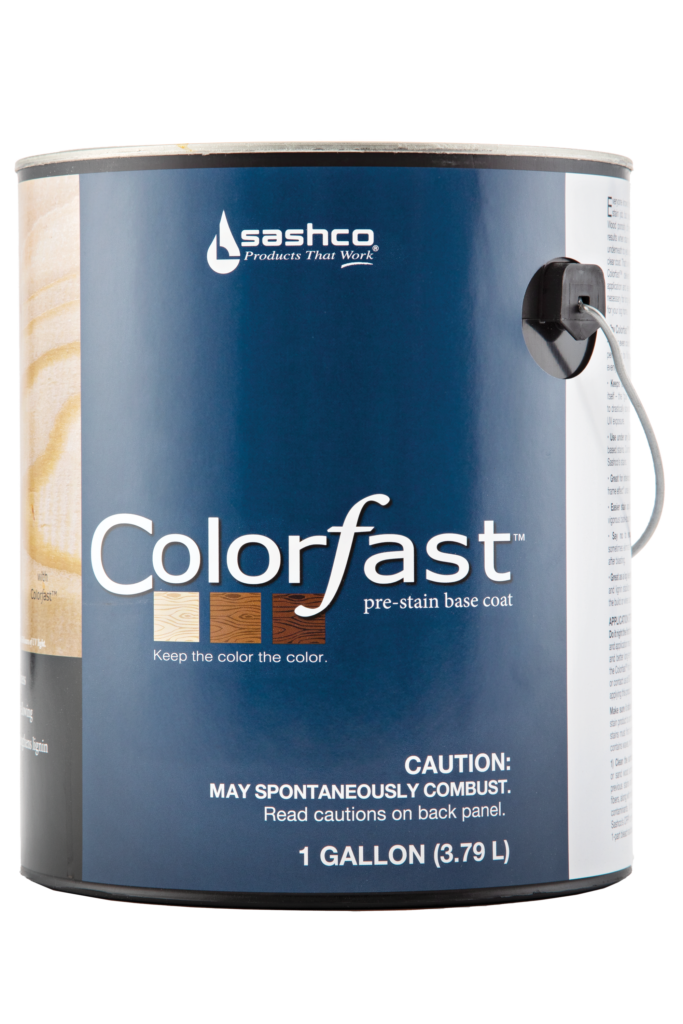
Keep the Color the Color Colorfast delivers the ideal canvas for stain application and leaves behind the strong foundation necessary for long-lasting color. It’s color confidence for your log home.
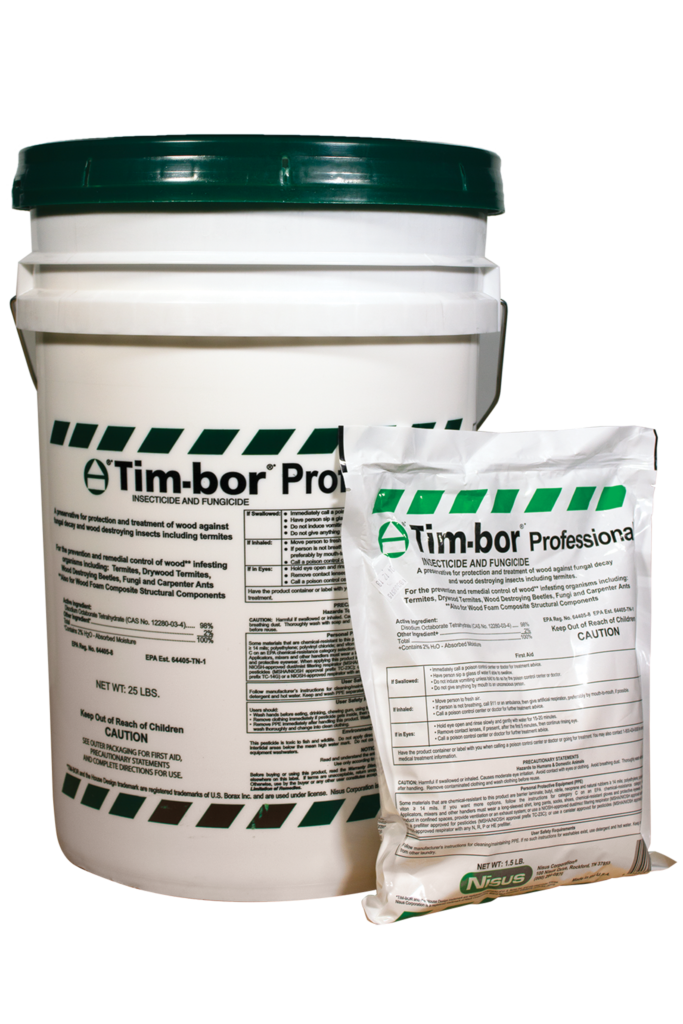
Rot, weather, insects, fungi all pose a serious threat to your logs. Protect your investment—treat your logs first to make them last. Tim-bor® helps protect your home from the costly damage caused by rot and insect infestation.
Bugs don't stand a chance
Easy to mix and apply
Prevents decay fungi
Costs 5 times less than glycol-based borate products
Remove Wood Felting and Raised Grain Remove wood fuzz (called felting) after power washing or media blasting, and knock down excessive raised grain with Sashco's finish sanding tools
Clean and brighten bare logs and wood, remove surface dirt, pollen, and kill mold for maintenance, and keep your logs looking fresh with CPR Log Cleaner and Brightener