Interior and exterior on any wood species (test first, just to be sure!), as well as most common home materials, including metal, stone, concrete, vinyl siding, windows, and more!
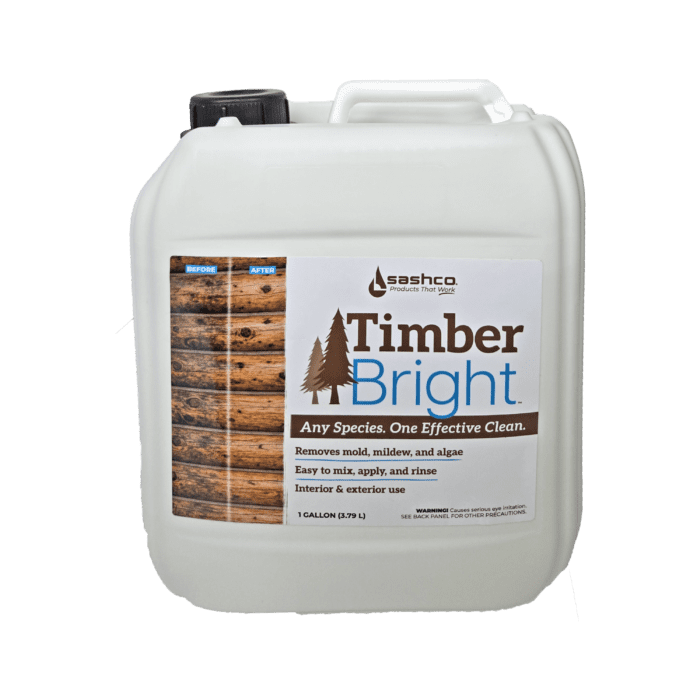
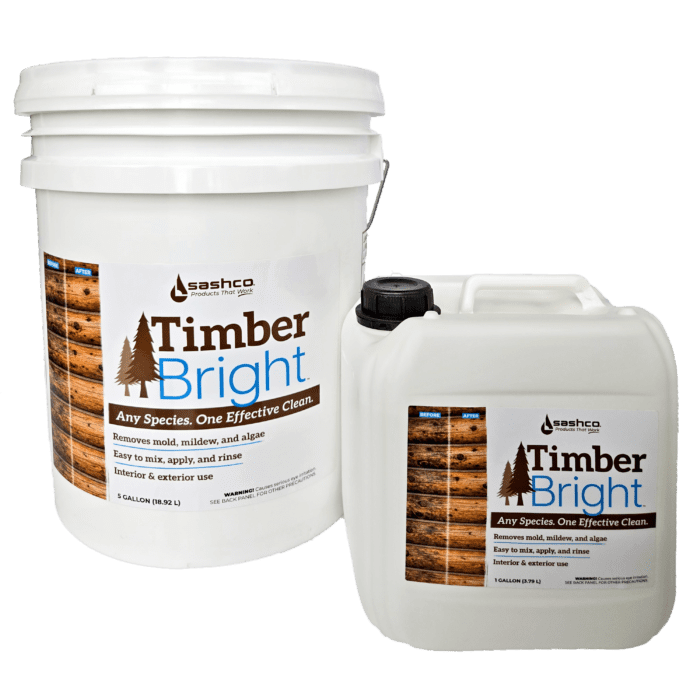

Any species. One Effective Clean.
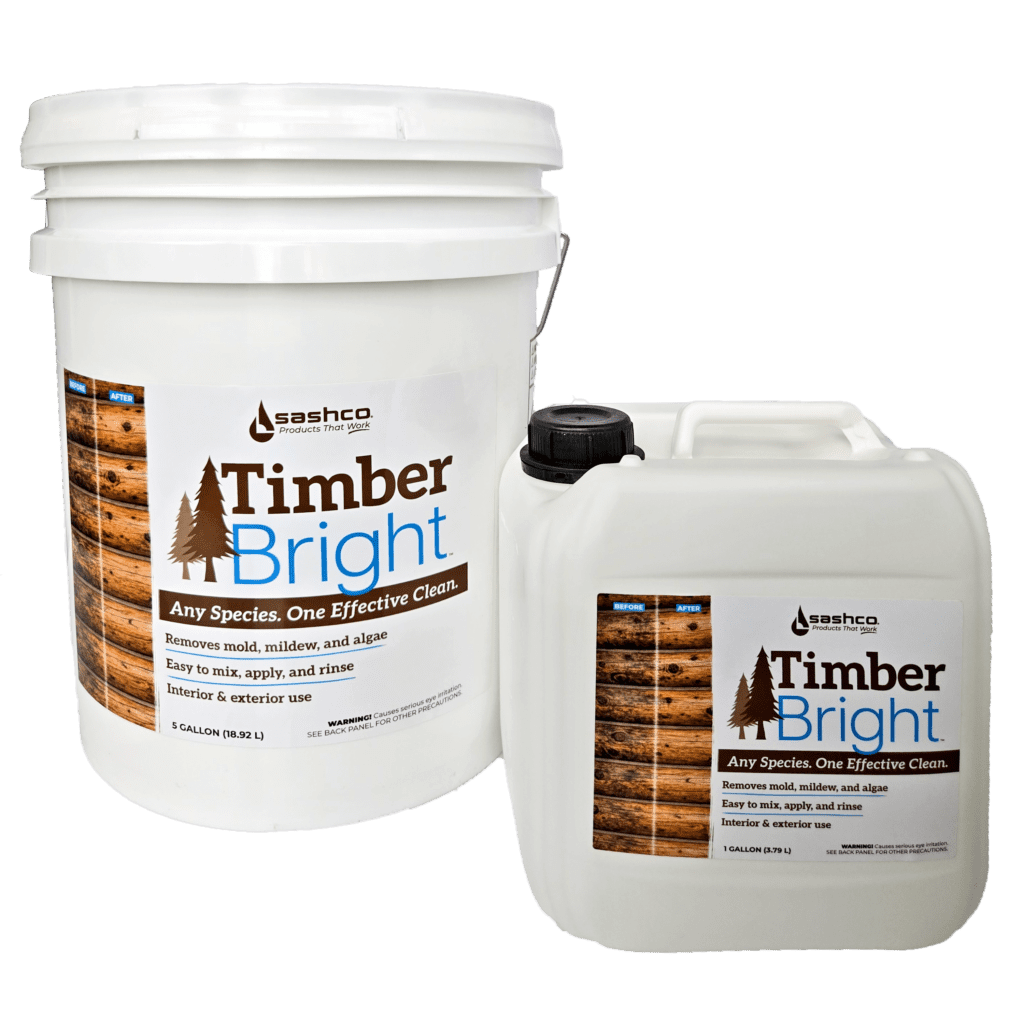
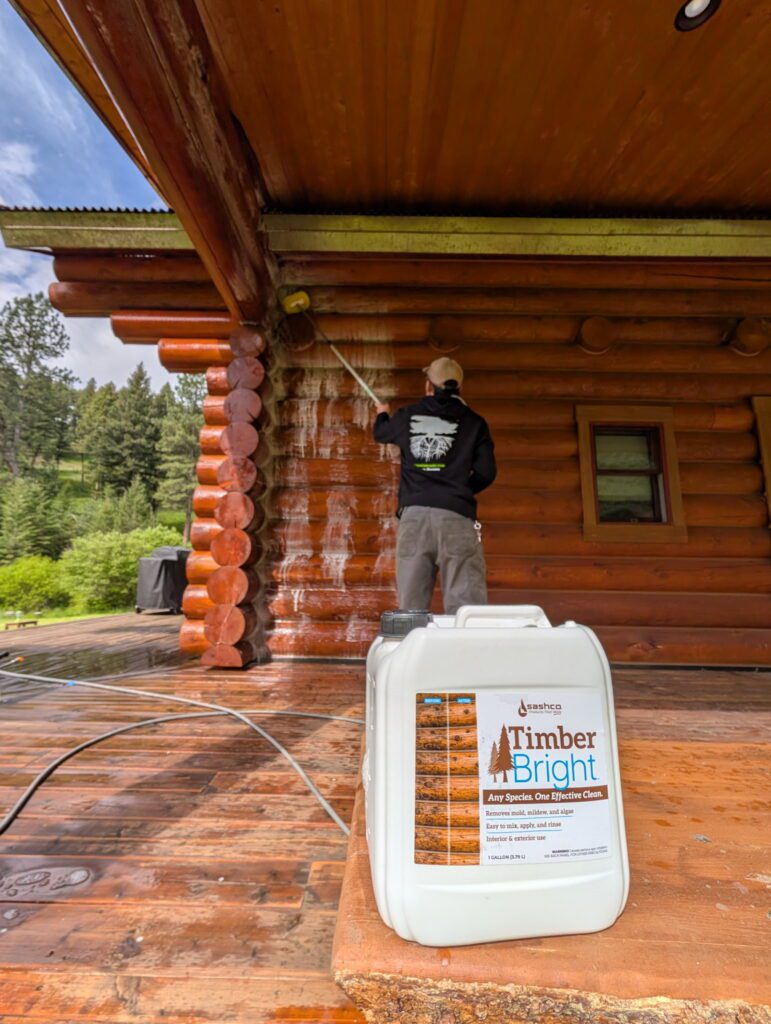
Remove stubborn surface dirt with Sashco’s TimberBrightTM log and wood cleaner. It quickly and efficiently cleans any wood species to remove mold, mildew, and algae growths and dissolve common surface contaminants like pollen, dust, bird poo, and more to leave behind a fresh surface. It also works great on other building materials like metal, stone, and concrete without damaging the surface.
MSRP:
1 gal.: $59.99
5 gal.: $269.99
Product Info
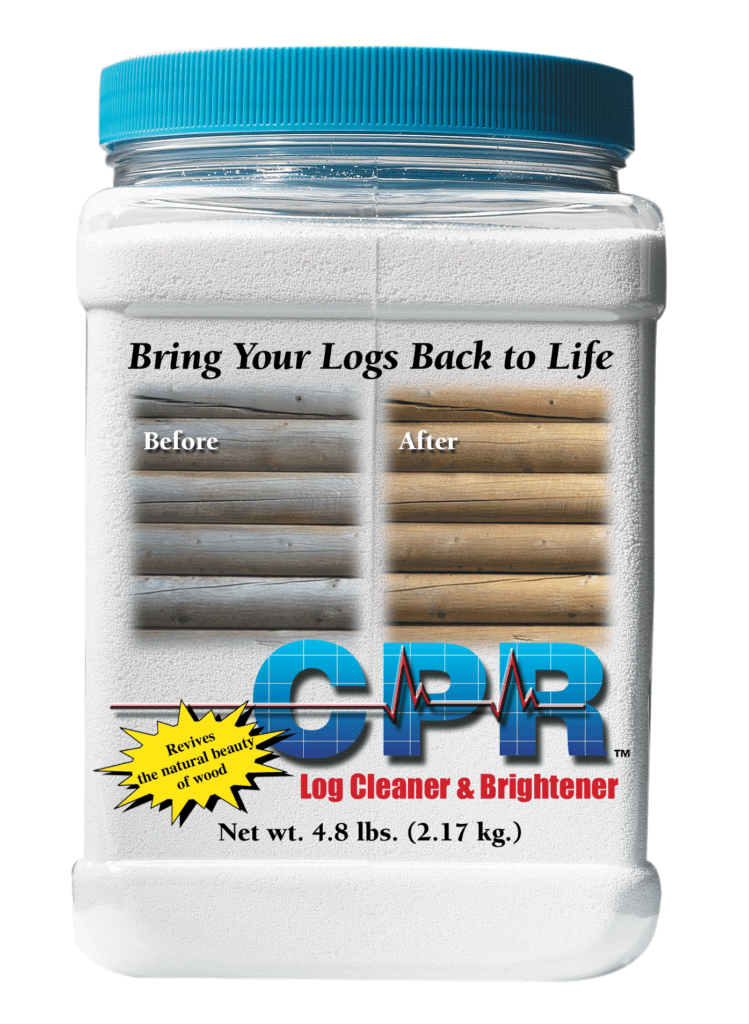
Plant-friendly, but be sure to wet down plants first. Will not bleach wood. For wood bleaching, use Sashco’s CPR Log Cleaner and Brightener instead.
1 gal. and 5 gal. concentrate
Inspiration Gallery
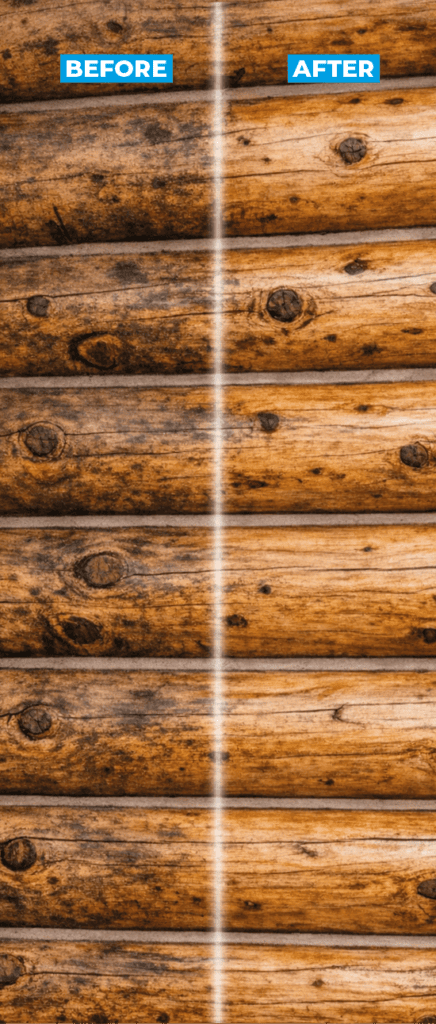
This is Why You Should Use Timber Bright
Proprietary bio-enzyme action More Info
Enzymes encapsulate, slightly dissolve, then lift off surface contaminants like pollen, dirt, mold, and algae without etching or compromising the wood or other surfaces underneath.
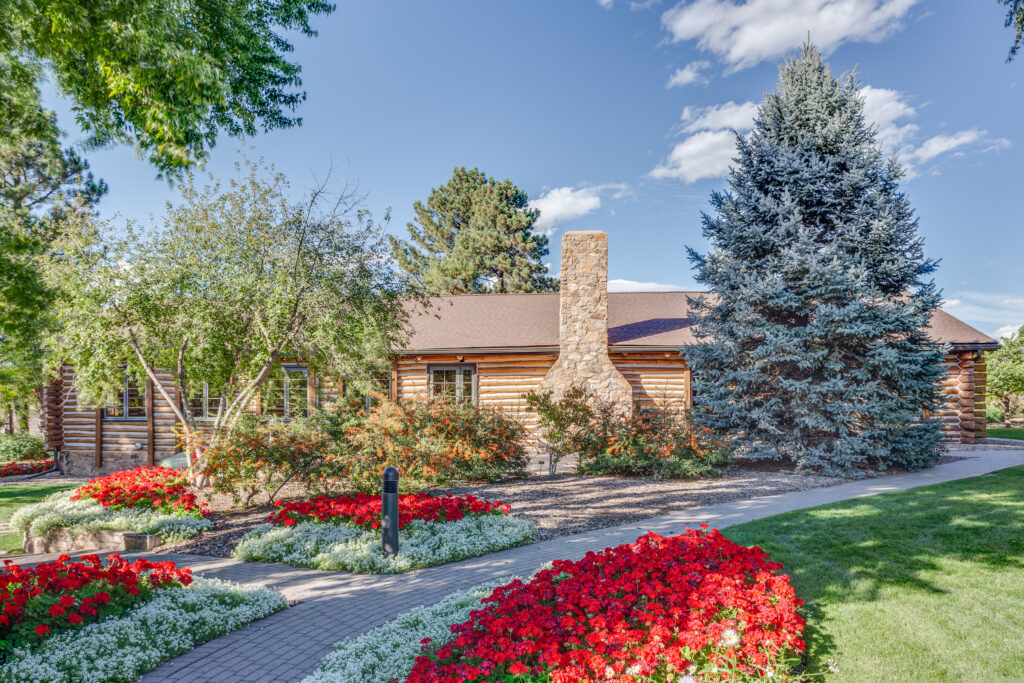
Plant safe More Info
When properly mixed, it’s gentle on plants, grass, and flowers.
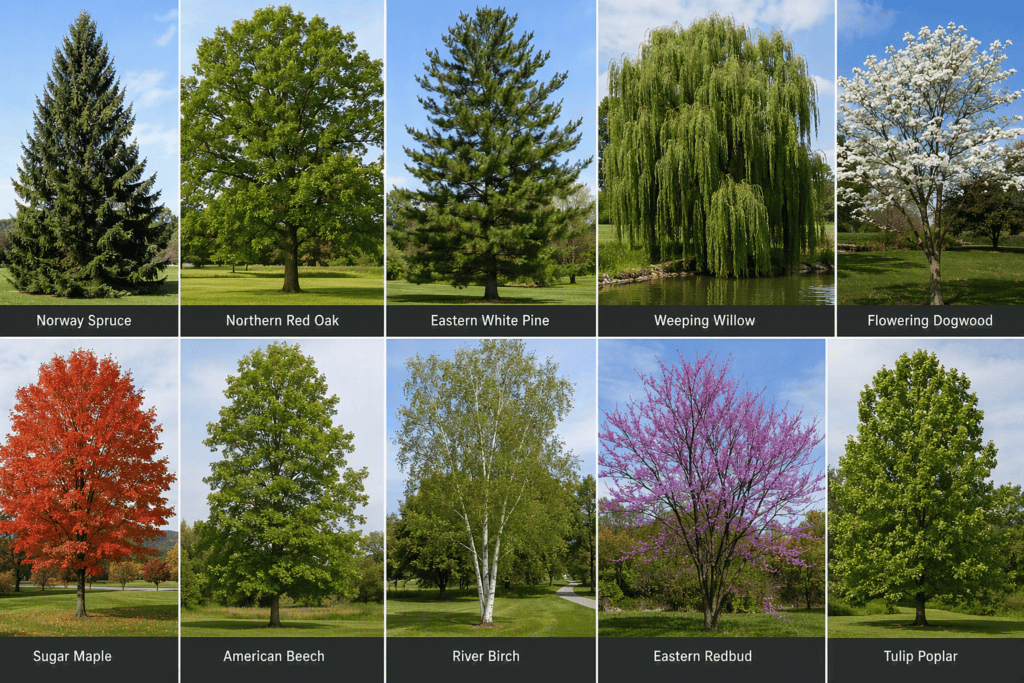
Any species More Info
Cleans any species of wood, finished or unfinished. Won’t discolor high-tannin species like Cedar or Redwood.
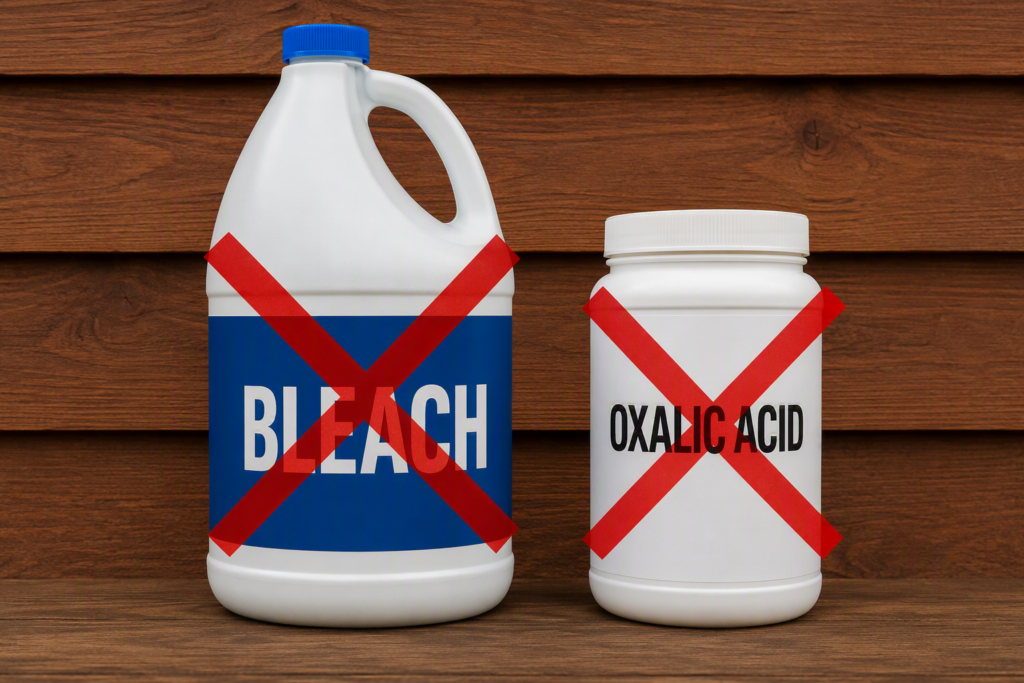
No harsh acids or bleach More Info
Won’t etch surfaces, nor continue to degrade wood fibers over time.
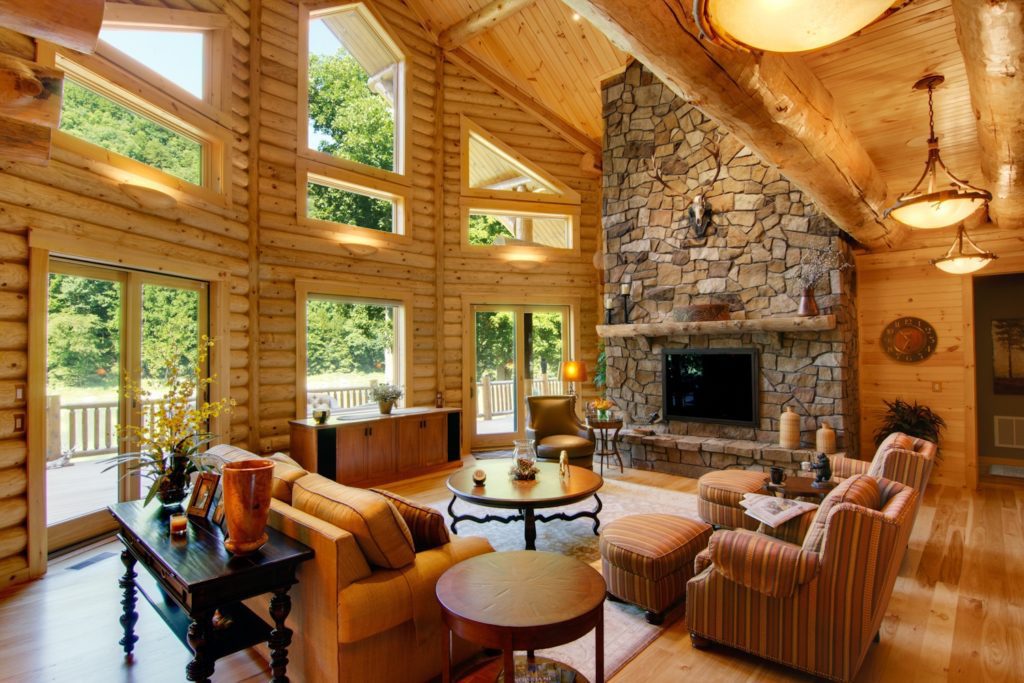
No rinse on the interior More Info
When used at lower concentrations, there’s no need to rinse on the interior.
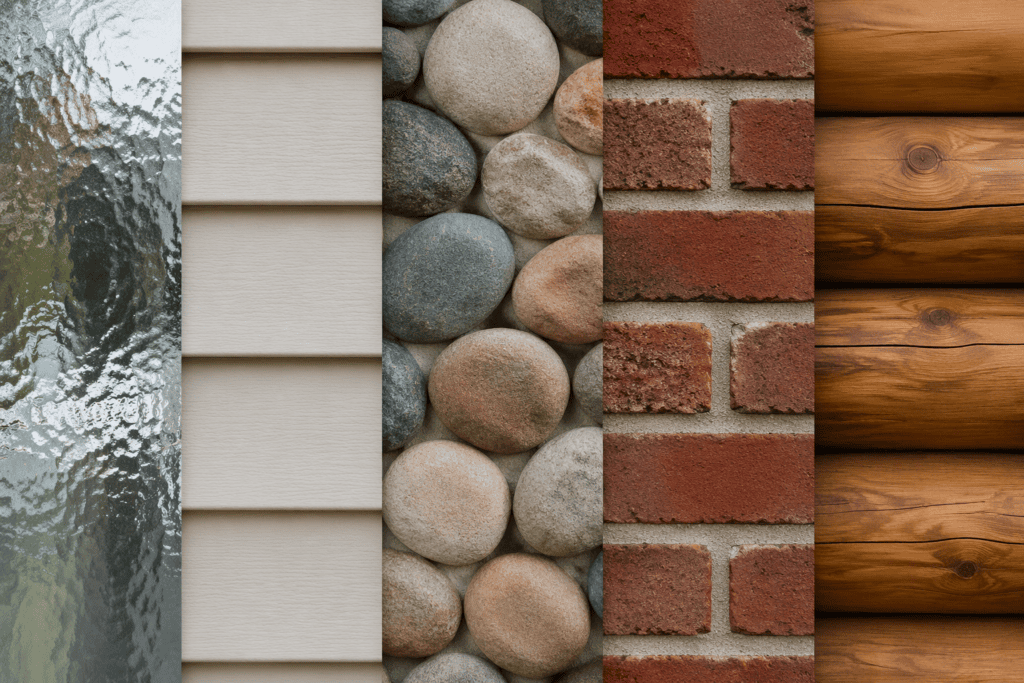
Multi-surface convenience More Info
Great for wood, stone, brick, vinyl, glass, and more – one cleaner to rule them all!
How much Timber Bright do I need?
- Apply at a rate of 300 – 400 sq. ft. per gallon of mixed cleaner
- Mix anywhere from a 1:10 cleaner to water ratio for less aggressive cleaning all the way up to 1:2 cleaner to water ratio for more aggressive cleaning.
- 1 gallon of concentrate will make anywhere from 2 gallons to 10 gallons, depending on desired strength.
Talk with a real human!
We’re here to help see your project through to the end.
Not sure which sealant, caulk, or other product is right for your job? Looking for the nearest location to buy products for your next home project? Don’t know exactly how to tackle your repair? We’re here to help.

Call to talk with one of our caulking specialists:
800-767-5656Common Questions From Our Network of Pros
Bleach (sodium hypochlorite) is very reactive. It does a great job killing almost anything in its path – mold, mildew, the lignin that holds wood cells together – and has a very strong oxidizing / brightening effect. Bleach does not dilute easily, which means it takes a lot of water to neutralize it. Even when completely rinsed, risudual chlorine can remain on the surface and continue to damage lignin, bleach wood fibers, and damage coatings. For this reason, it should be a last resort on a log home.
TimberBright works by targeting just the surface contaminants, not the lignin in the wood or the stains applied to them. Much like dishwasher detergent, it targets the particles, dissolves and encapsulates them, then washes cleanly away with normal rinsing. The worst it will do to your clothes is clean them. TimberBright It has no bleaching effect on wood.
CPR is a sodium percarbonate (oxygenated bleach), which is basically a powder form of hydrogen peroxide. You get all the benefits of a bleach without the damage that bleach can cause to lignin, wood fibers, and stains put on a home. CPR also does a great job cleaning off surface contaminants and killing mold, mildew, and algae. It is harsher on plants than TimberBright and, if not totally rinsed, can affect wood fibers later on. It’s also a bit harder to mix and apply. Often, some of the powder doesn’t thoroughly mix in, which can then be difficult to rinse off later. That said, CPR is an effective cleaner that is kinder to the wood than bleach and acids.
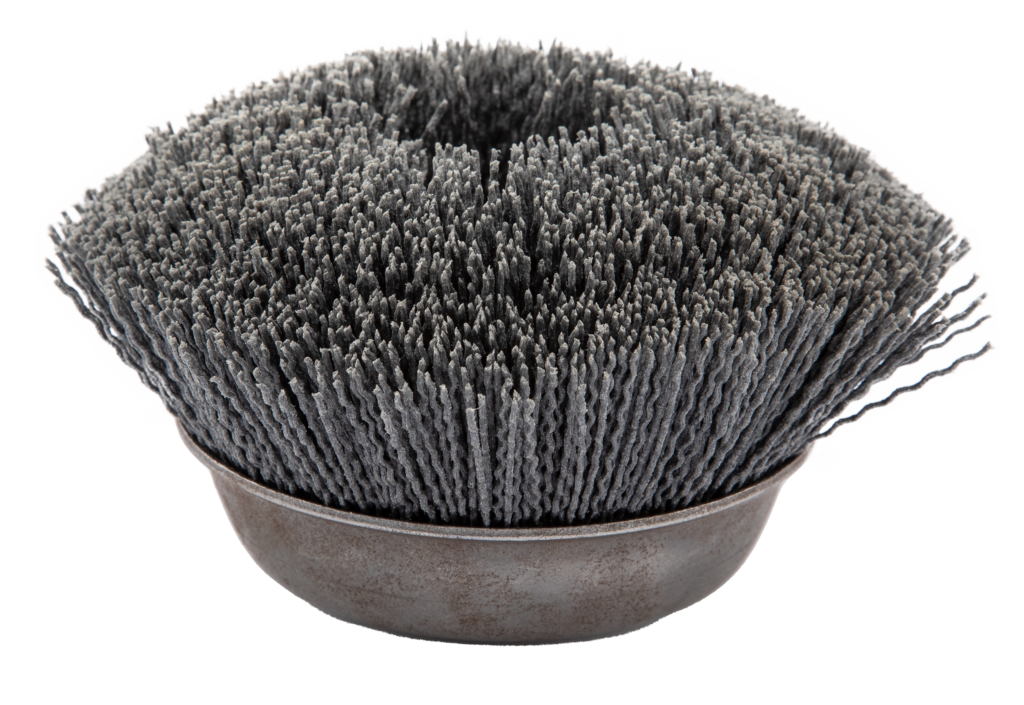
No, but that may be necessary on particularly stubborn areas. Use an RV softwash brush or a carwash cleaning glove in stubborn areas.
TimberBright should be allowed to dwell anywhere from 5 to 20 minutes, depending on the cleaning needed. Allowing any sort of wet surface to stay wet can lead to water staining, so try to stay at or under that 20 minute mark. In addition, TimberBright can soften / dissolve some older oils that might be sitting on the surface of the wood, so keep dwell time between 5 and 20 minutes for best results.
Not when properly rinsed. You may notice that the surface is a bit slick / slimy during application. Just make sure to thoroughly rinse to remove everything. If it gets on your lawn furniture or your windows, no big deal.
Phosphoric acids rely on a chemical reaction to chemicals on and in the wood, dissolving them to rinse away. If left to sit too long or used at concentrations that are too high, they can discolor the surface by weakening the wood fibers and drawing tannins to the surface. If left to sit on top of existing finishes too long, it can etch them, which weakens them and reduces their durability. That said, at the right concentration and with proper rinsing, phosphoric acids are very effective on most wood. Phosphoric acid is also hard on plants. Even if rinsed off, even a small amount can kill surrounding vegetation.
Oxalic acid works much the same as phosphoric acid, although it’s usually much stronger and has a much stronger brightening effect.
Both acids will brighten wood, almost like bleach does. They will also discolor high-tannin woods like Cedar and Redwood, so a different type of cleaner has to be used on those woods.
TimberBright works differently to target just the surface contaminants themselves – pollen, dirt, algae, oils, mold, etc. – dissolving and encapsulating them, then rinsing away cleanly. When used at lower concentrations, you can simply wipe off the dirt and grime and skip the rinsing. It won’t etch surfaces or damage wood fibers, making it ideal for maintenance cleaning. Plus, it won’t hurt plant life. Score!
It could flash‑dry and will not be as effective, which will mean reapplication. Avoid applying in direct sunlight to prevent this. Shade is your friend with any sort of home maintenance.
Nope, and that’s a big bonus because most other cleaners will. TimberBright doesn’t target the surface itself, but the contaminants on the surface. It focuses on dissolving dirt, bird poo, pollen, etc.