Borates for Log Homes: What They Do, Which Type to Choose, and How to Protect Your Wood
Let’s break down the 411 on borates. What they do, how they work, and how to choose the right treatment to protect your log home.
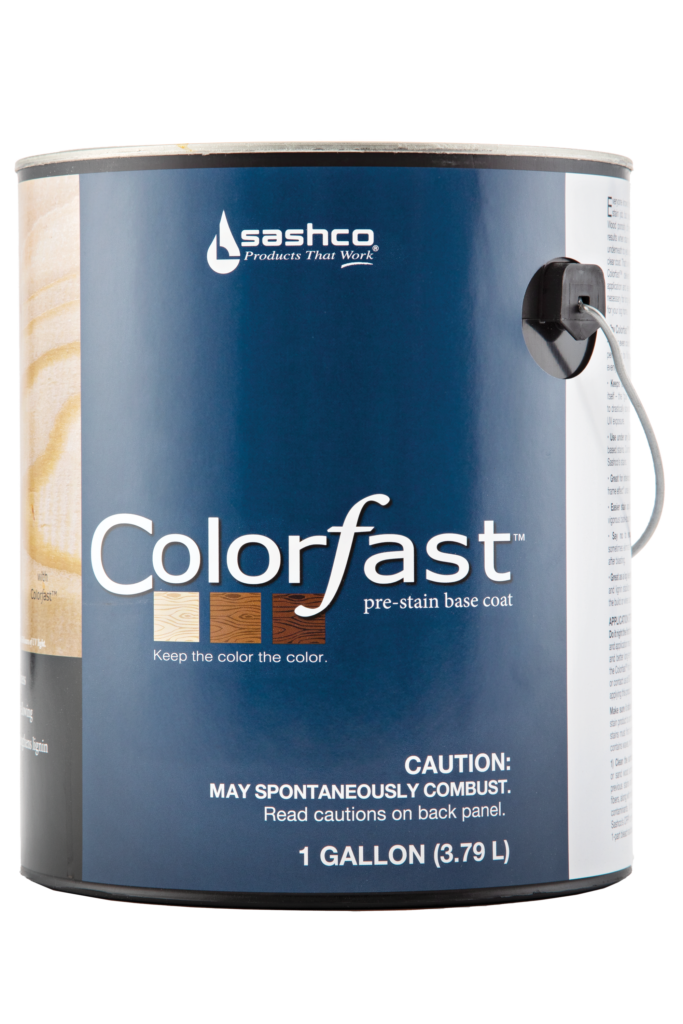
Stain gets plenty of attention in the log home world, and it should. It’s a key part of a successful finish system. But protecting a log home involves more than the coating on the outside. To keep logs strong and sound for years to come, the wood itself also needs protection.
Enter Borates. Borate wood preservatives are one tool used to help protect logs and other wood components against certain wood-destroying insects and decay fungi. But not all borate treatments are formulated the same way, and choosing the right one involves more than grabbing a container off the shelf.
How do borates work? What’s the difference between a water-based treatment and a glycol-based formula? Can you apply borates over an existing finish? And when does a preservative rod make more sense than a surface treatment?
Let’s break it down.
What Are Borates?
Borates are compounds containing boron that are used in a variety of applications, including wood preservation. In log homes, borate-based preservatives help protect susceptible wood against certain wood-destroying insects and decay fungi.
Unlike an exterior stain, which primarily helps protect the wood surface from weathering and moisture exposure, a borate treatment is intended to protect the wood itself against specific biological threats.
That’s an important distinction.
Your log home’s exterior finish and its wood preservative serve different purposes. A suitable stain helps protect the wood from the effects of weather and moisture. A borate treatment helps protect against certain insects and decay organisms. Neither replaces the other.
What can borates help protect against?
Depending on the specific product and its approved uses, borate treatments can help protect wood against:
- Certain wood-destroying insects. This can include susceptible termites and wood-boring beetle larvae that consume treated wood.
- Decay fungi. Borates can help protect susceptible wood against fungal decay when the treatment reaches the wood at an effective concentration and the conditions are appropriate.
Borates aren’t a universal solution for every pest or wood problem. Insects that don’t consume wood, such as carpenter bees, may require different control methods. Likewise, a preservative won’t repair wood that has already suffered significant structural damage.
And while borates can help protect against decay, they don’t waterproof logs. Managing moisture remains essential to the long-term health of a log home.
The Different Types of Borate Treatments
One of the most important differences between borate products is how they’re formulated and delivered into the wood.
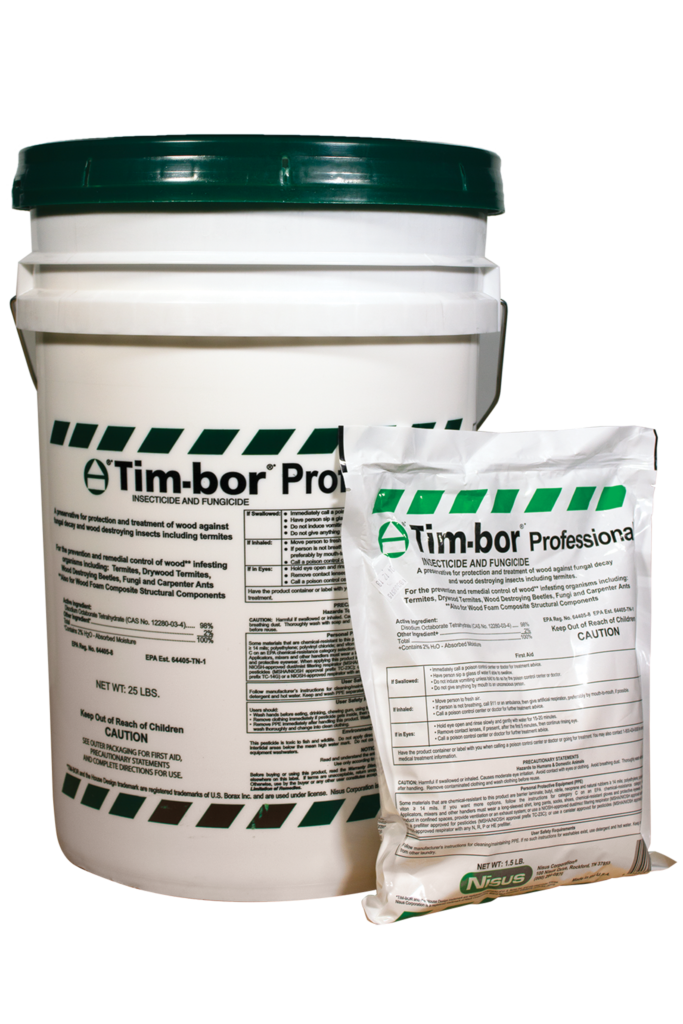
The main options log-home owners are likely to encounter include water-soluble powder concentrates, glycol-based treatments, and preservative rods designed for targeted applications.

Water-Soluble Borate Treatments
Borate concentrates such as Sashco’s Board Defense, are mixed with water according to the product’s directions. The resulting solution is generally applied to suitable bare wood by spraying or brushing.
Water-based borate treatments can be a practical option for new construction, exposed logs, and restoration projects where the wood is accessible and ready to receive treatment.
Potential advantages include:
- A relatively straightforward application process.
- The ability to treat accessible areas of bare wood.
- Cost-effective treatment of larger areas when used as directed.
- Compatibility with certain construction and restoration workflows.
The key consideration is penetration. The solution must reach the wood for the treatment to provide its intended protection.
Water-based borates are generally most suitable for absorbent, unfinished wood. An intact stain or other coating can interfere with absorption, so applying a water-based treatment over a finished log surface shouldn’t be assumed to work.
Water-soluble borates can also be vulnerable to leaching when exposed to repeated wetting. Their long-term performance depends on the formulation, the location of the treated wood, and its exposure to moisture.
For exterior log homes, that makes proper application and moisture management particularly important.
Glycol-Based Borate Treatments
These products use glycol or other formulation ingredients to help deliver borate into suitable wood. Some are concentrates that require dilution; others are supplied ready to use. Always check the specific product label.
Glycol-based formulations can be useful in log-home construction, renovation, and maintenance situations where suitable bare wood is exposed.
Potential advantages include:
- Formulations designed to help borate penetrate wood.
- Options for different construction and restoration applications.
- The ability to treat suitable exposed wood before a new finish is applied.
However, the term glycol-based doesn’t mean a product will penetrate every surface. An intact film-forming finish can still prevent the treatment from reaching the wood effectively.
Surface preparation, moisture conditions, application rates, and drying requirements all matter. Products in this category can also differ in their approved applications, so don’t assume the directions for one treatment apply to another.
The best choice depends on the wood you’re treating, its condition, the intended use, and the manufacturer’s instructions.
One thing to keep in mind about glycol-based borate treatments is that they can take significantly longer to dry, often requiring months before the wood is fully ready for finishing. They also tend to cost considerably more than powdered, water-based alternatives, often several times as much. Despite the higher price and longer drying time, there is no evidence that glycol-based formulations provide greater protection or effectiveness than properly applied water-based borate treatments. In other words, you get the same borate protection, but at a much higher cost.
Borate-Containing Preservative Rods
Borate rods provide a different approach to wood preservation.
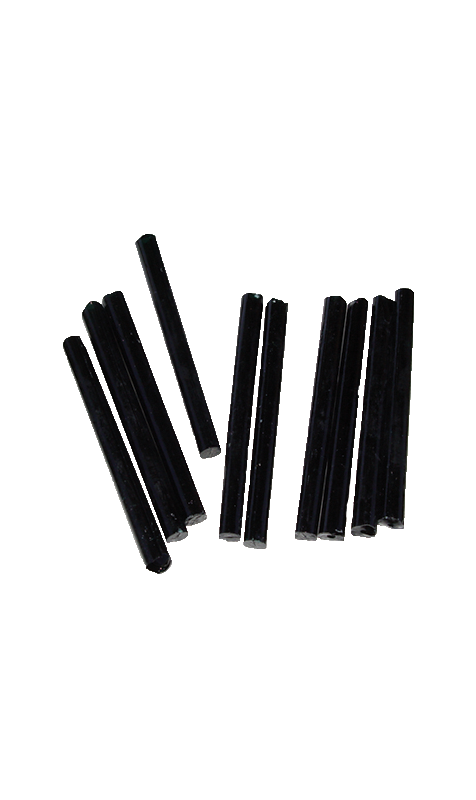
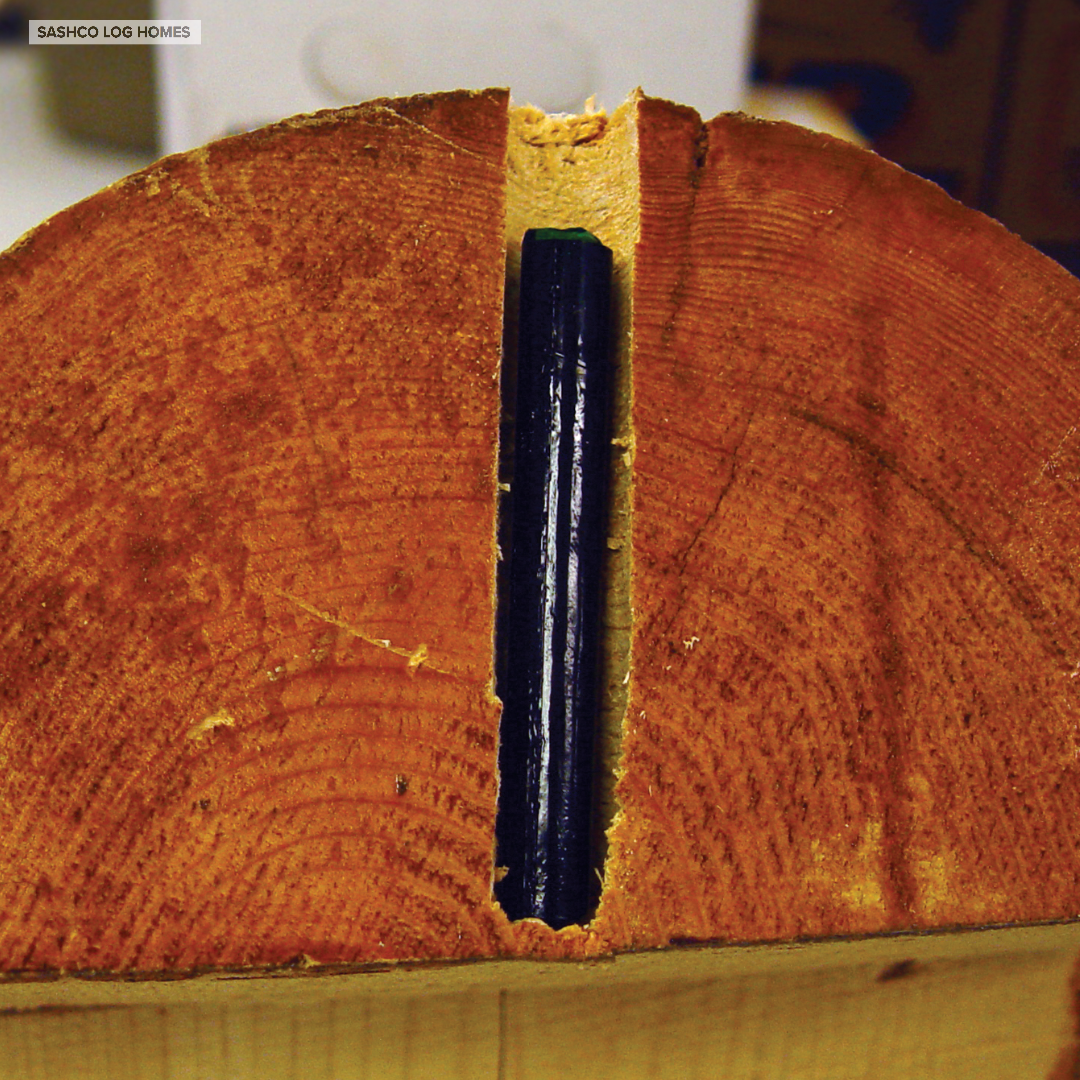
Rather than applying a liquid treatment across an entire log surface, preservative rods, like Bor8 Rods, are inserted into selected locations in the wood. These rods are designed to help protect against wood decay and wood-ingesting insects.
This makes them a targeted treatment option rather than a direct substitute for a whole-surface borate application.
Their suitability depends on the wood component, the conditions at the treatment location, and the product’s approved use and placement instructions.
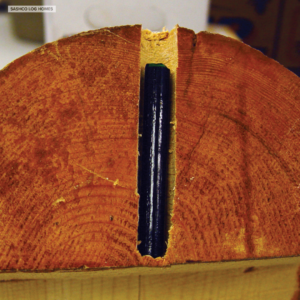
If a log has a localized preservation concern, a rod may be worth investigating. But significant decay, structural damage, or an active infestation may require a more comprehensive assessment and treatment plan.
How Do You Choose the Right Borate Treatment?
The right choice starts with the condition of the wood.
Before selecting a treatment, consider these five questions.
1. Is the wood bare or already finished?
This is one of the first things to establish.
Topical borate treatments need to penetrate the wood to work as intended. If the logs have an intact stain or other coating, that finish will interfere with absorption.
Don’t assume a liquid borate treatment can simply be sprayed over the existing finish. Check the product instructions and determine whether surface preparation is necessary.
If the wood must be stripped or otherwise prepared, make that decision before choosing the treatment and planning the finishing work.
2. Are you treating new construction or an existing home?
New construction often provides convenient access to bare logs before the final stain or finish is applied. That can make it easier to incorporate a suitable borate treatment into the construction process.
An existing log home may require a different approach. Some areas may have exposed wood, while others remain protected by an intact finish. Restoration work can also reveal previously inaccessible wood that may benefit from treatment.
Choose a product appropriate for the actual condition of the wood, rather than assuming that a treatment intended for new construction is automatically appropriate for every maintenance situation.
3. What are you trying to protect your log home against?
Borates are intended for specific biological threats. The product label identifies which organisms and applications the treatment is designed to address.
If you’re concerned about insects, identify the likely pest whenever possible. If you suspect decay, determine whether you’re dealing with surface discoloration, fungal growth, or deterioration of the wood itself.
Significant damage or a suspected active infestation may require a qualified pest-management professional or an experienced log-home specialist.
A preservative treatment should address an identified need, not serve as a substitute for diagnosing the problem.
4. How much wood needs treatment?
A topical treatment may be appropriate when large areas of accessible bare wood need protection. A preservative rod may be appropriate for certain targeted applications.
These approaches aren’t interchangeable. The size and location of the area, the condition of the wood, and the approved uses of the product determine which method makes sense.
5. Will the treatment be exposed to moisture?
Moisture is a major consideration for any exterior wood-preservation strategy.
Some borate compounds are water-soluble and can be lost through repeated wetting. Protecting the structure from unnecessary moisture exposure helps preserve the wood and supports the long-term performance of an appropriate treatment.
Pay attention to roof drainage, gutters, downspouts, flashing, splashback, and areas where water may collect against the logs.
Remember that borates aren’t waterproofing products. A sound moisture-management plan and a suitable exterior finish remain essential.
Can You Apply Borates Over an Existing Stain?
This is a common question, and the answer requires a little care.
In general, a topical borate treatment needs access to the wood to be effective. An intact coating can limit or prevent penetration, depending on the coating and the treatment formulation.
Some glycol-based formulations are designed to promote penetration under specified conditions, but that doesn’t mean they will reliably penetrate every existing finish.
Before applying a borate treatment to an already-finished log home:
- Identify the existing finish, if possible.
- Read the preservative’s technical data sheet and label.
- Confirm whether the surface needs to be stripped or otherwise prepared.
- Follow the specified application, drying, and finishing instructions.
If you don’t know what’s on the logs, don’t guess. Confirm the existing finish and treatment compatibility before moving forward.
Do Borates Replace Stain, Chinking, or Caulking?
No. These products serve different purposes.
Borate preservatives help protect susceptible wood against certain insects and decay fungi.
Exterior stains and finishes help protect the wood surface against weathering and moisture exposure. The appropriate product and maintenance schedule depend on the wood, exposure, and finish system.
Chinking and caulking seal appropriate joints and gaps to help limit unwanted air and water intrusion while accommodating log movement when correctly designed and installed.
A borate treatment doesn’t replace a failing sealant, repair damaged logs, or eliminate the need for an appropriate exterior finish.
Think of wood preservation as one part of a larger protection strategy. Each product needs to do its own job.
Common Borate Treatment Mistakes to Avoid
A little planning can prevent wasted product and disappointing results.
Assuming every borate product works the same way. Formulations, concentrations, approved uses, and application requirements differ. Follow the directions for the product you select.
Applying treatment over a finish without checking compatibility. If the treatment can’t reach the wood, it may not provide the intended protection.
Ignoring moisture exposure. Water-soluble borates can be vulnerable to leaching. Address drainage and other sources of repeated wetting.
Expecting borates to solve every pest problem. Borates work against certain wood-destroying organisms. Other pests may require different treatment methods.
Treating damaged wood without assessing the damage. A preservative may help protect suitable wood, but it doesn’t restore structural strength to wood that has already deteriorated.
Skipping the label and technical data sheet. Mixing ratios, coverage, application methods, drying times, protective equipment, and restrictions are product-specific. Never substitute instructions from one product for another.
Protect the Wood, Not Just the Finish
A log home’s long-term health depends on more than what you can see from the driveway.
Borate treatments can be a valuable part of a wood-preservation plan, helping protect susceptible wood against certain insects and decay fungi. But choosing the right treatment requires understanding the condition of the wood, the product formulation, the intended application, and the home’s exposure to moisture.
Start with the wood itself. Determine what protection it needs. Choose a treatment designed for that situation and follow the manufacturer’s instructions.
Then keep up with the other fundamentals: manage moisture, maintain the exterior finish, inspect your logs, and address problems before they become bigger repairs.
A little knowledge goes a long way toward keeping your log home in good shape.
Ready to stain? Don’t guess! Sample. Testing stain colors on your actual logs before committing ensures that you get the exact look you want and helps prevent “oops” moments later. Snag your free samples here.