If you hang around the log and timber frame restoration world long enough, you start to notice a pattern. The most successful contractors aren’t the loudest marketers or the cheapest bids. They’re the ones who quietly, consistently do the hard things the right way, even when it’s inconvenient, expensive, or takes longer to explain to a homeowner.
On paper, they’re known for handling some seriously large, complex projects across Montana and beyond. We’re talking about 10,000-20,000 square feet of wall space, two-tone finishes, brutal weather windows, historical cabins miles from the nearest hotel. But when you sit down and talk with them, the reason for their success has very little to do with square footage and everything to do with how they run the business.
They Don’t Sell Jobs. They Sell Long-Term Relationships.
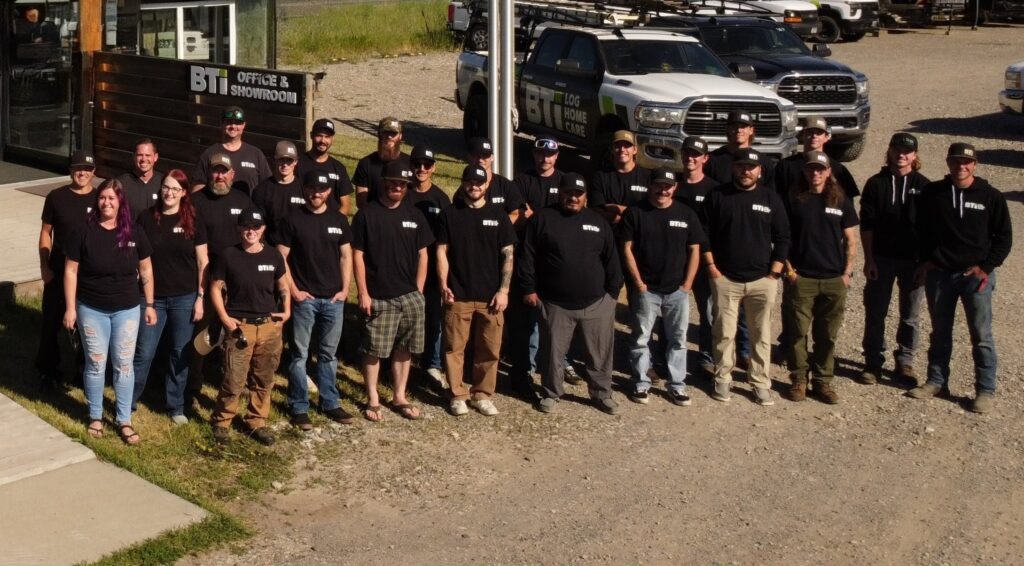
The BTi Log Home Care Crew.
We recently talked to the leadership team at BTi Log Home Care, and one thing came up again and again. They are fully committed to relationships with their clients long after the project is done.
That sounds simple, but it’s a radical mindset shift in an industry where plenty of contractors hope they never hear from a homeowner again once the final invoice is paid. These guys are the opposite.
They actively design their process around maintenance, education, and repeat interaction. In fact, they’ve started including the first year of maintenance directly into their restoration project, not as a sales gimmick, but as a way to remove friction and reset expectations.
The message to homeowners is clear, “We’re not disappearing. We’re coming back. And that’s a good thing.”
That approach does two important things for business. First, it builds trust, because maintenance conversations stop sounding like upsells. And second, it protects the original restoration work (and their reputation).
As Cal Arnold, owner of BTi Log Home care said, “We don’t want to be the contractor who stains your house and hopes we never have to talk to you again.” That mindset alone explains a lot about their longevity.
Prep Is Non-Negotiable (Even When It Costs Them Jobs)
To someone new to the industry, it might look like BTi Log Home Care makes success effortless. It would be easy to assume their advice would center on building a massive team, pouring money into flashy marketing, or chasing the latest business buzzwords. But that’s not their approach. Ask BTi Log Home Care what matters most for someone starting out, and you won’t get a glossy answer. You’ll get one word: Prep.
Surface prep, process discipline, and refusing to cut corners (even when, ahem, especially when homeowners ask for it). They were blunt about this part. Not knowing any better, clients will encourage shortcuts. They’ll ask for wash-and-recoat jobs. They’ll compare cheaper bids. But BTi made a deliberate business decision to walk away from jobs that don’t align with their process. Not because they don’t need the work, but because they understand the downstream cost of a compromised reputation. That discipline has paid off.
Today, they maintain client relationships that stretch back decades. Homes they restored 20 years ago are still on their schedule. That kind of continuity doesn’t come from shortcuts. It comes from holding the line when it would be easier not to.
They Match Products to People (Not Just to Wood)
Here’s where their operational maturity really shows. They don’t just evaluate wood species, exposure, or climate. They evaluate people.
If a homeowner is honest about not wanting (or not being able) to maintain the home annually, they adjust product choices accordingly. If someone is detail-oriented and committed to upkeep, they’ll lean into systems that reward that discipline. That means fewer failures, fewer uncomfortable conversations, and fewer unrealistic expectations.
It’s also why their projects age so well. Cal told us that, “Even when homeowners push maintenance longer than recommended. The prep, application, and product selection are dialed enough that five years later, the home still looks “pretty darn good.” Even if it’s filthy.”
And yes, they’ll still gently remind you that paying for maintenance now beats paying for refinishing later. Let’s just say that root canals were mentioned. We’ll spare the analogy> Let’s just say, brush your teeth.
Big Jobs, Small Jobs. Same Emotional Buy-In
While they’re known for massive, high-profile projects, some of the work they’re most proud of is far smaller. They reminisced about historic cabins, family properties, and places with emotional weight.
In one case, they restored a 1913 Forest Service cabin covered in dust from the Mount St. Helens eruption still clinging to the walls. The job required travel, camping, and working during the early uncertainty of COVID. Not glamorous. Very meaningful. The result? Tearful voicemails from homeowners. Relief. Gratitude. And a structure preserved for future generations.
What matters from a business perspective is this, their entire team understands that they’re not just fixing logs, they’re protecting family legacies. That belief shows up on large modern builds, too. Even when the project doesn’t scream “sentimental,” there’s always a person behind it. A family. A future burden removed.
That kind of emotional buy-in is hard to fake and impossible to scale unless it’s baked into company culture.
Trusted by Builders When It Actually Matters
One of the strongest indicators of their success isn’t a logo or an award, it’s who calls them when the stakes are high.
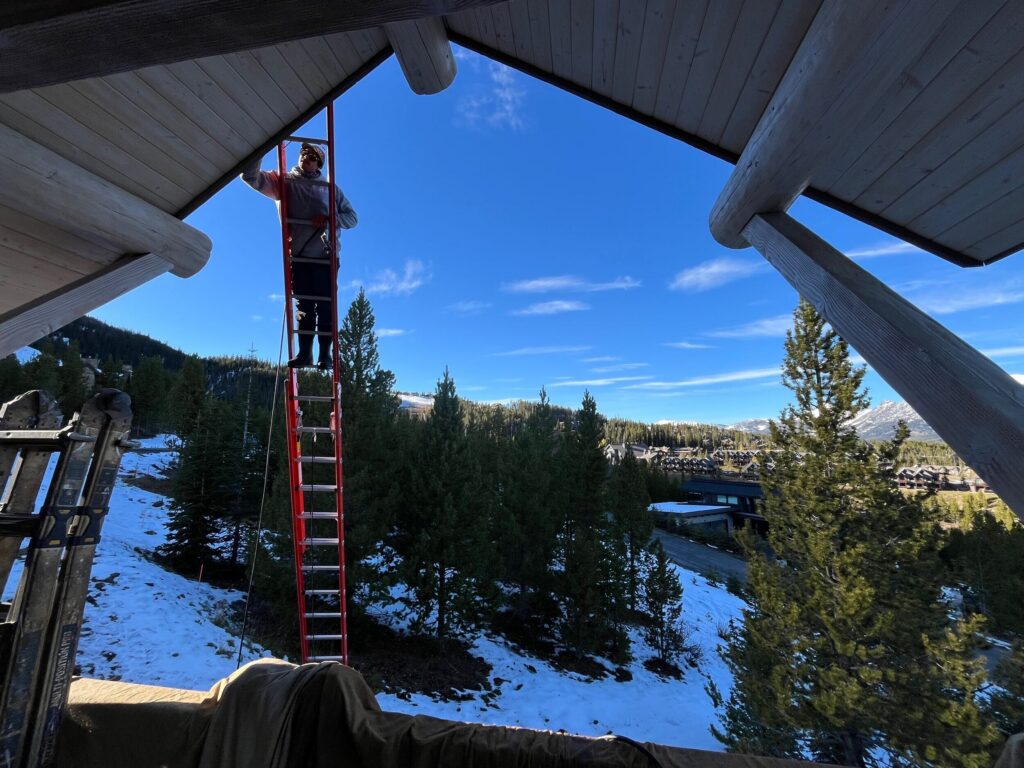
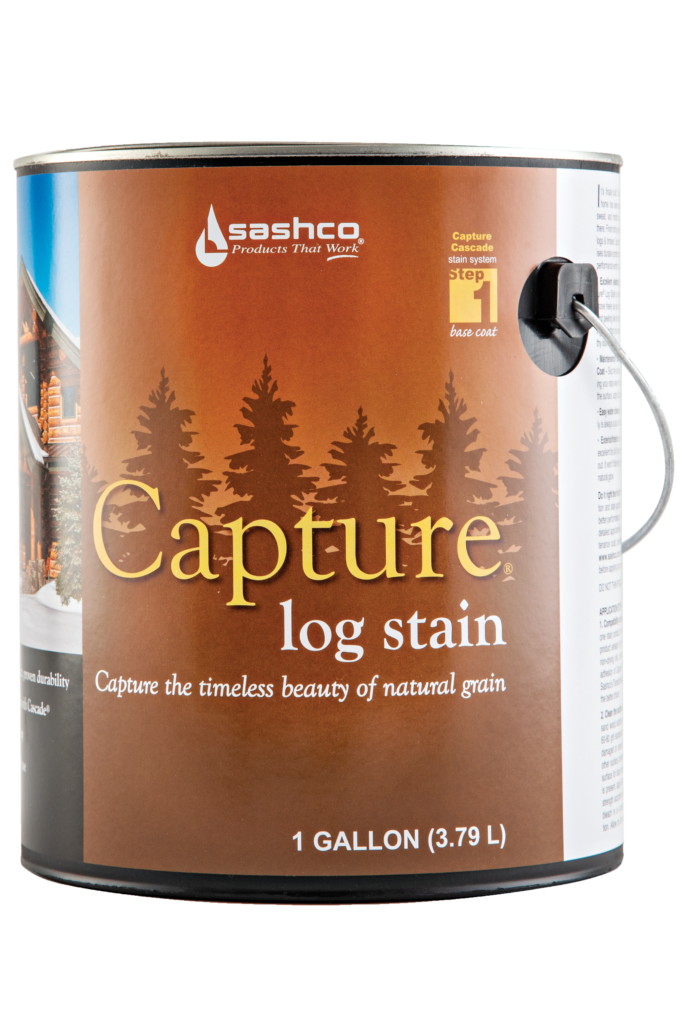
On a recent large-scale project in Big Sky, the homeowner was prepared to remove and replace all exterior siding. Instead, this crew stepped in with a restoration plan that saved the structure and delivered a standout two-tone finish with Capture Log Stain in Weathered Wood on the body and Capture in Aspen Bark for crisp white accents.
The general contractor backed them fully. In fact, the contractor made it clear they’d charge more if they had to use anyone else. That’s not about price. That’s about trust.
When builders know a contractor will follow process, protect the homeowner’s investment, and execute under pressure and weather constraints, they stop shopping bids. They pick the team that won’t create problems. Pretty cool stuff.
BTi Log Home Care
Why They Align with Sashco (And Why That Actually Matters)
Partnerships get thrown around a lot in this industry. Usually what that means is a logo on a website and a discount sheet in a folder. That’s not what’s happening here.
The alignment with Sashco works because it mirrors how these guys already run their business.
First, the obvious one reason is that processmatters. Sashco systems reward contractors who prep correctly, apply correctly, and follow the rules. If you’re looking to cut corners, the products will absolutely let you know. That accountability fits a company that has zero interest in fast, cheap wins.
Second, maintenanceis engrained into their philosophy. These restorations don’t look good just on the day they’re finished, they look good years later because the system is designed to be maintained, not ignored. That supports the exact conversations they’re already having with homeowners about long-term care, realistic expectations, and avoiding the dreaded full refinish.
Third, education trumps hype. Sashco’s approach, especially in pro-to-pro environments like Zero Failures, matches how this team operates internally. They don’t pretend problems don’t exist. They talk about them, study them, and build systems to avoid repeating them. That’s why they’re bringing entire crews to training instead of just sending one manager and hoping the message trickles down.
Finally, there’s the durability factor. When a home can go longer than it should without maintenance and still hold together, it’s proof that the prep, products, and application were right from day one (obligatory statement: don’t neglect it, it’s still not worth it). That kind of real-world performance protects everyone involved: homeowner, contractor, and manufacturer.
Why They’re Still Winning
Strip away the job sizes, the colors, the equipment, and the square footage, and the reason for their success is refreshingly straightforward:
They protect their reputation aggressively
They educate instead of overselling
They build systems that support maintenance, not neglect
They care deeply about the people behind the projects
BTi Log Home Care is built on principles that don’t go out of style. And in an industry where failures are loud and success is often quiet, that might be the highest compliment you can give a contractor.
Since 2002, BTi has been setting the standard in log home care. What started as a soda blasting service evolved when founders Cal and Lee Arnold identified a critical need for superior finishes and lasting protection. Today, our mission remains the same: deliver the highest-quality, most beautiful, and longest-lasting solutions for our clients.
Ready to stain? Don’t guess! Sample. Testing stain colors on your actual logs before committing ensures that you get the exact look you want and helps prevent “oops” moments later. Snag your free samples here.
When it comes to protecting and beautifying your log home, Sashco isn’t just another stain on the market — it’s the high-performancechoice for serious log lovers. With industry-leading products like Capture, Cascade, and Transformation, Sashco combines cutting-edge technology and rugged durability to keep your logs looking stunning and standing strong year after year. Whether you’re chasing that perfect finish or just want to avoid the heartbreak of costly repairs, Sashco’s got your back. Because your log home deserves more than “good enough,” it deserves Sashco. Made for logs. Made to last. Made to make your neighbors jealous.
Here We Go…
Every fall and again in early spring, the phone starts ringing.
Homeowners and contractors alike are racing the calendar. Some are trying to wrap things up before winter really settles in. Others are itching to get started because the sun is finally shining again. And almost every conversation begins with the same question, “How cold is too cold to chink or stain my log home?”
The honest answer is this: it’s not just about the air temperature. It’s about the surface temperature of the logs, the product’s temperature, and how well the work is protected during curing. Ignore any one of those, and you’re not just cutting corners. You’re taking a real risk on a costly redo.
The Biggest Danger Is the Wash-Out
When it comes to chinking and sealants, the greatest cold-weather threat is wash-out.
In normal temperatures, chinking skins over fast enough to withstand a light rainstorm. But cold weather dramatically slows the curing process. If rain hits before the material has had time to firm up, it can literally wash a beautiful joint right down the wall.
That’s not just frustrating. We’re talking days of lost labor, wasted material, and a mess that’s nigh on impossible to just clean up. Cold temperatures won’t always “ruin” the product itself (although that’s also a risk!), but they delay when it becomes weather-resistant, and that delay is where the danger lives.
Wash-out doesn’t just mean reapplying. It often means cleaning residue off logs, re-prepping joints, and explaining unexpected delays to the homeowner. In cold weather, one storm can undo several days of work.
Surface Temperature Matters Just As Much As Air Temperature
One of the most misunderstood aspects of cold-weather application is that the log’s surface temperature matters just as much as the air temperature.
On a 40°F day, sun exposure can push log surface temperatures well over 100°F. On the other hand, a cloudy 45°F day after freezing weather can leave logs far too cold for proper adhesion. A good, simple rule of thumb is that you want a surface temperature of at least 40°F (and rising) and no more than 90°F (and falling) before you even think about applying chinking or stain. Use an infrared thermometer and check it often. Guessing isn’t good enough when the stakes are this high.
Air temps matter, too. Even if your logs are warm during a 45°F day, they’ll drop pretty dramatically at the end of the day and overnight. So, overnight air temps need to be 40°F or better for a minimum of 2 days after products have been applied.
Keep the Product Warm, Not Just the Logs
Cold chinking is thick, sluggish, and difficult too. Worse yet, when it’s too cold, it can struggle to adhere properly to the surface.
A trick many experienced pros rely on is storing their materials in a small room or closet inside the structure, sometimes with a small space heater. You don’t need a sauna; just enough warmth to bring the material itself up to 80–85°F.
One tricky thing to remember, though, is that bringing a five-gallon pail from 35°F up to working temperature can take several days, not a couple of hours. Planning ahead here makes all the difference. Forcing cold material to work faster often leads to uneven joints, poor tooling, and inconsistent appearance. Even if it sticks initially, long-term flexibility and performance can be compromised. It’s just not worth it.
Tenting and Heating Are Often the Real Secret to Success
In cold weather, tenting isn’t optional. It’s what makes proper application possible.
Clear plastic sheeting works exceptionally well because it traps solar heat, lets in natural light, and creates a controlled environment around the work area. But tenting alone isn’t enough.
You also need air circulation. Without venting, moisture can build up on the logs and cause condensation, which can lead directly to the same wash-out you’re trying to prevent. This is important because tenting isn’t just about temperature, it’s about stability. Consistent conditions allow products to cure as designed, reducing callbacks, repairs, and long-term failures that are often blamed on the product instead of the environment.
Done correctly, tenting and heating protect both the material and the craftsmanship behind it.
Mother Nature doesn’t always cooperate, so we adapt without compromising quality. Proper tarping, airflow, and heat management ensure coatings bond correctly even in cold-weather applications. Photos courtesy of Knaughty Log
Official Cold-Weather Guidelines for Log Jam
We like to have fun around here, but when it comes to pushing cold-weather work, that’s when we get serious. The instructions for Log Jam are clear for a reason.
To safely apply Log Jam in cold weather:
Log surfaces must be above 40°F (4°C). Always confirm with a surface thermometer.
Air temperatures must be above 40°F, as well
Keep chinking warm until it’s ready to use
Logs must be completely free of frost (frost prevents adhesion)
Tent the area with clear plastic and heat it before and during application
Provide air circulation to prevent condensation
Leave the tent and heat in place for 2–4 days after chinking (use the full 4 days for wider joints)
Then remove the tenting to allow normal curing
Here’s the reality check. In cold weather, Log Jam will take much longer than usual to fully cure. Don’t go out there and test the limits. Removing protection too early is one of the most common cold-weather mistakes. Even if the surface feels firm, the material underneath may still be vulnerable to damage from cold, moisture, or movement. Trust us on this one!
What About Staining?
Many of the same principles apply to stains like Capture Log Stain and Transformation Stain.
Cold temperatures slow everything down:
Cold wood slows (and can even prevent) penetration and adhesion
Cold stain doesn’t flow or level as well
Curing takes much longer
Uncured stain can remain tacky
Keeping the stain warm, monitoring surface and air temperatures, and using tenting and heat, when necessary, can make cold-weather staining successful, especially with water-based products.
Don’t Be Fooled by “Freeze-Thaw Stable”
You’ll see FREEZE-THAW STABLE printed on many pails, including most of ours. That does not mean the product can sit outside all winter. Most materials are rated for around 5 freeze-thaw cycles. In one winter, it’s easy to hit fifteen or twenty cycles without realizing it.
Always store products where they won’t repeatedly drop below 32°F. Replacing damaged material is expensive and completely avoidable.
Yes, you can chink and stain in cold weather. But success depends on respecting the process:
Surface and air temperatures above 40°F both during application and for 2-4 days afterwards
Warm product
Proper tenting and heat
Protection from rain and snow
And patience with slower cure times
If you can’t provide those conditions, the smartest move isn’t to push harder. Work smarter, not harder, just wait for warmer conditions! At the end of the day, no deadline, no schedule, and no “almost done” feeling is worth watching your work slide down the wall after the first cold rain.
So, the question isn’t whether chinking or staining can be done in cold weather. It’s whether it can be done correctly. If you can’t meet the temperature and protection requirements, waiting isn’t a setback; it’s the most cost-effective decision you can make. Take a deep breath and get something hot to drink instead. You’ll be glad you did.
Ready to stain? Don’t guess! Sample. Testing stain colors on your actual logs before committing ensures that you get the exact look you want and helps prevent “oops” moments later. Snag your free samples here.
When it comes to protecting and beautifying your log home, Sashco isn’t just another stain on the market — it’s the high-performancechoice for serious log lovers. With industry-leading products like Capture, Cascade, and Transformation, Sashco combines cutting-edge technology and rugged durability to keep your logs looking stunning and standing strong year after year. Whether you’re chasing that perfect finish or just want to avoid the heartbreak of costly repairs, Sashco’s got your back. Because your log home deserves more than “good enough,” it deserves Sashco. Made for logs. Made to last. Made to make your neighbors jealous.
Some homes are built on land. Others are built on stories.
Before a single log was stacked, before stain colors were debated or chinking lines were planned, this property already mattered. A lot. It’s where Jerry Fekete spent his younger years training as a competitive road bike racer, pedaling the roads that wind through the countryside. Years later, after life took him to other states, he returned with his wife, Jennifer, showed her the land, and she fell in love with it too.
They didn’t just choose this property for their future log home. They chose it for their wedding.
They were married right there on the land, before the house existed, and then decided to build a log home that honored the place, the past, and the future they were creating together.
Jeffus was first contacted by the homeowners in 2023, referred by Sashco’s own Paul Peebles. The home had already been stacked. Unfortunately, Mother Nature didn’t get the memo about timelines.
Monsoon-like weather delays meant the roofing crew couldn’t get the roof on in time, leaving the logs exposed to prolonged rain and heat. As you can imagine, that combination led to staining and mildew, inside and out.
At the same time, Jerry and Jennifer were living in another home while slowly completing this one themselves, carefully working within a yearly budget and doing as much hands-on work as possible. (Both engineers, both extremely detail-oriented, and yes, every bit as meticulous as you’d expect.)
The goal wasn’t just to “fix” the damage. It was to do it right.
Prep, Patience, and a Custom Vision
The homeowners had a clear vision: A custom color blend using Capture Log Stain in Chestnut and Hazelnut, paired with Log Jam Woodtone Cedar chinking. Rich, warm, timeless, but precise.
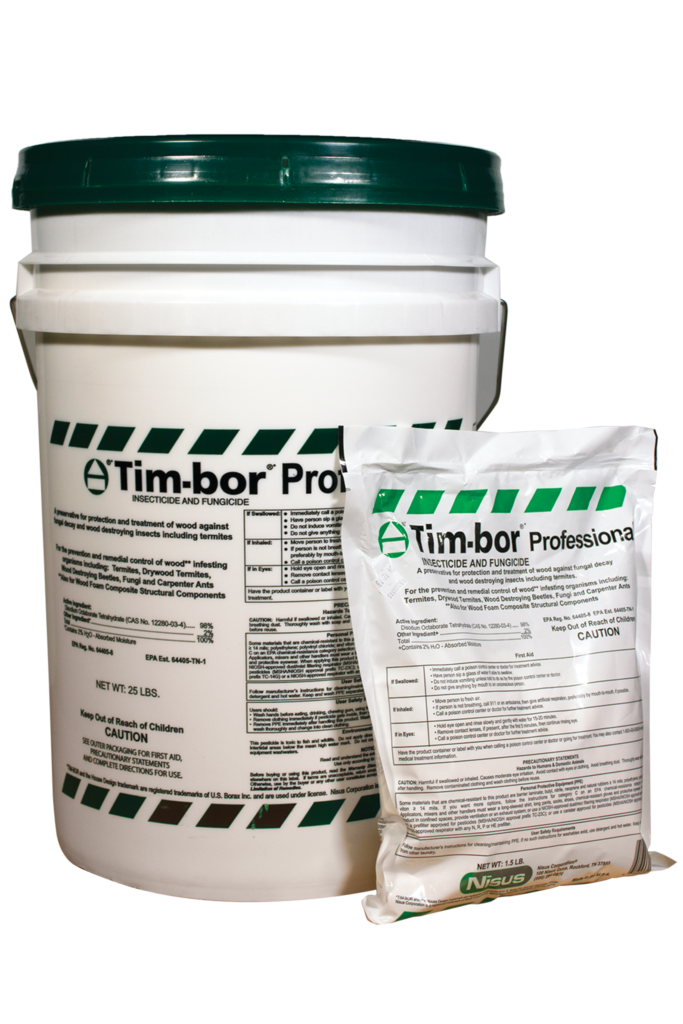
Every non-log wood surface was sanded with 60-grit to remove mill glaze and properly prep for stain. The logs were treated with CPR Log Cleaner, pressure-washed and then treated with borates for long-term protection.
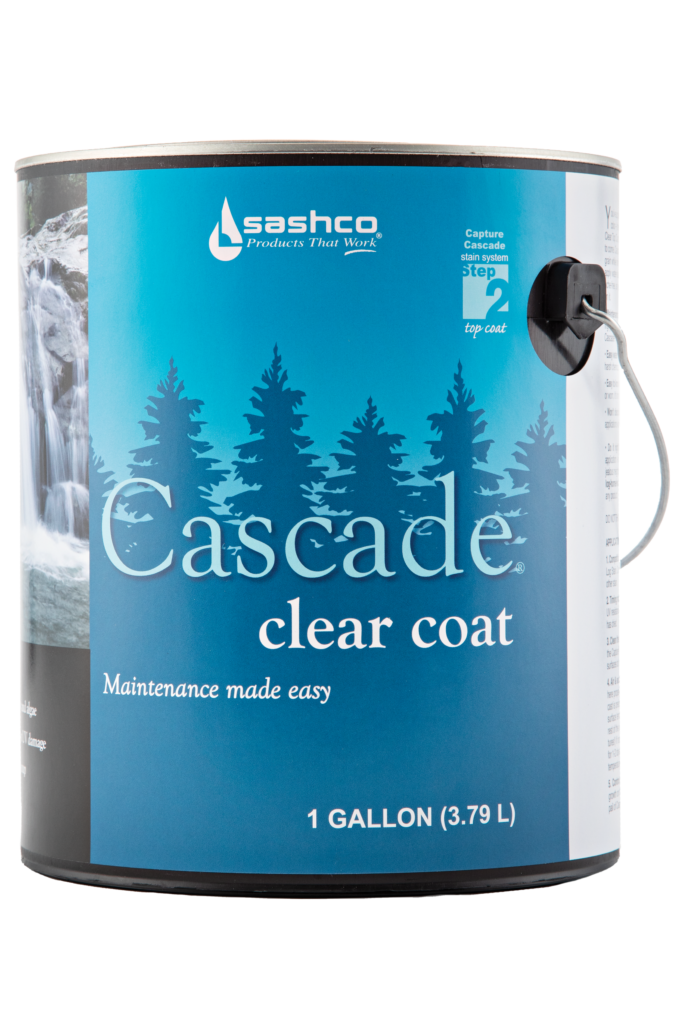
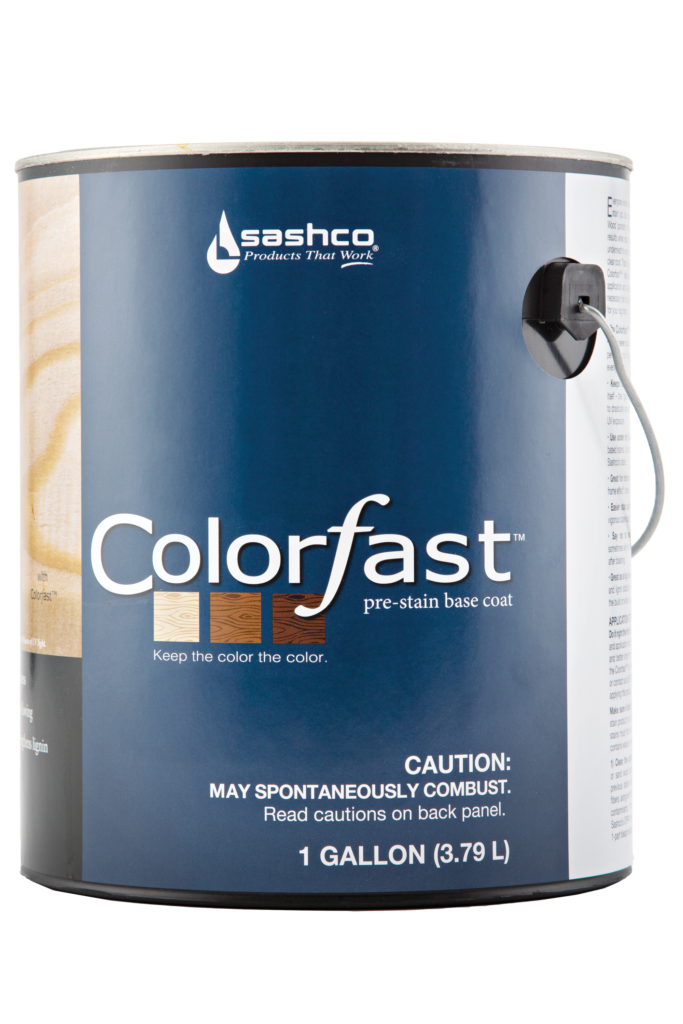
From there, Jeffus applied Colorfast Pre-Stain Base Coat, followed by a first coat of Chestnut Capture Log Stain and a second coat in Hazelnut. Window trim, fascia, rafters, and deck railings were stained to match the logs, while the board-and-batten siding was finished in Capture Log Stain Natural. Cascade Semi-Gloss went on last to protect all exterior wood surfaces, including the T&G soffits, and Conceal was used to address checking and cracks.
This was about restoring confidence in the home and setting it up to last.
Bringing the Story Inside
In 2024, the Jeffus crew returned to focus on the interior. Upper-level log-look siding was installed, sanded to 80-grit, along with the upstairs tongue & groove ceilings and beams. Interior logs were carefully sanded to remove mildew damage and prepped for stain.
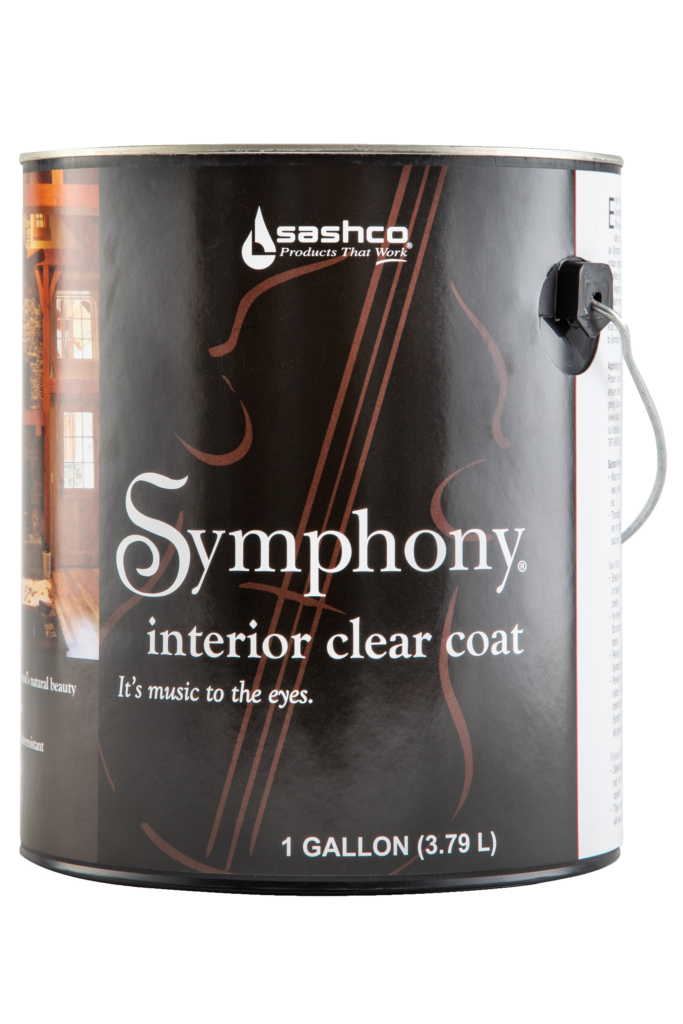
The interior color choice (it deserves a pause, yes, it’s that beautiful), Capture Autumn Aspen,completely transformed the space. Warm, inviting, and perfectly balanced. All interior wood surfaces were sealed with Symphony Interior Clear Coat for durability and depth.
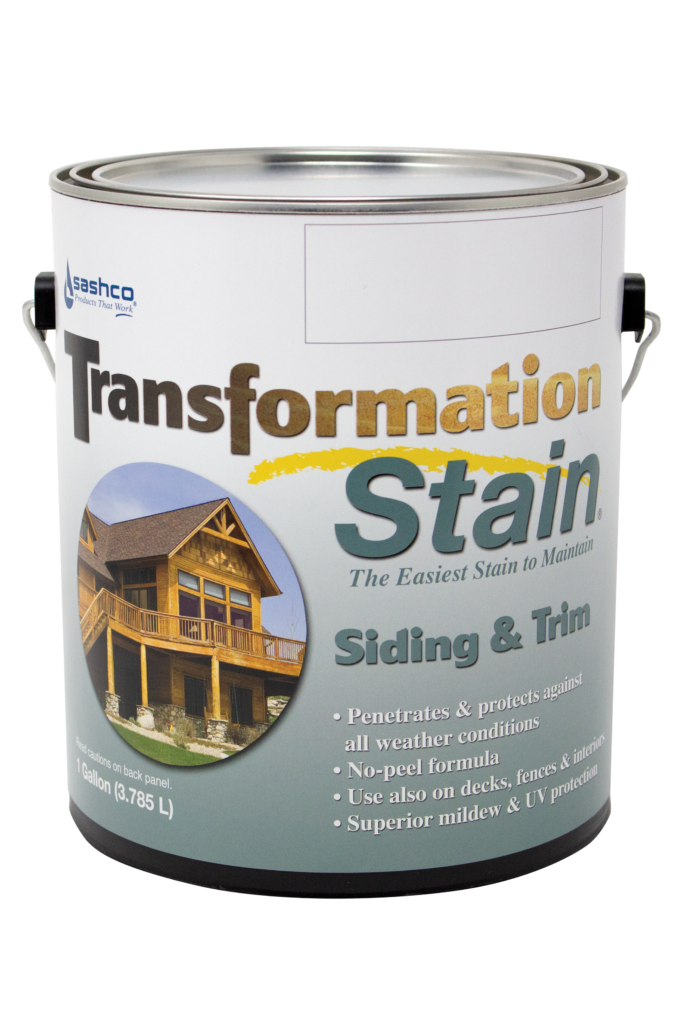
That same year, the deck was sanded and stained using Transformation Stain Siding & Trim in Woodtone Cedar, tying the outdoor spaces seamlessly into the home’s natural surroundings.
The Details That Matter (Especially to Engineers)
By 2025, it was time for exterior chinking. Log Jam was installed, followed by stain correction, touch-ups, and a fresh, clear coat to seal and protect everything, including the chinking itself.
Interior work continued with first-floor log-look siding, and plans were set to stain the downstairs interior walls to match the rest of the home. Window trim and additional interior details are still ahead.
Over the coming winter, oak flooring will be installed, more interior siding added, and Jeffus will continue helping Jerry and Jennifer tackle the remaining projects with one shared goal in mind: moving in by spring of 2026.
A Home Rooted in Place
Jeffrey Jeffus, owner of Jeffus Log Home Stain & Service, told us, “One of the best parts of working on this home is how connected it is to its surroundings. Harmony Hill Market at Bryant-Thomas Ranch sits just next door, and when we’re on site, we grab beef, pork, and chicken from their little ranch store. All grass-fed, humanely raised, and literally within walking distance of the driveway. It feels right. Like the house belongs here.”
This isn’t just a log home. It’s a lifetime of memories coming full circle. Built with intention, patience, and a whole lot of care.
Jerry and Jennifer, we’re honored to be part of your story.
Ready to stain? Don’t guess! Sample. Testing stain colors on your actual logs before committing ensures that you get the exact look you want and helps prevent “oops” moments later. Snag your free samples here.
When it comes to protecting and beautifying your log home, Sashco isn’t just another stain on the market — it’s the high-performancechoice for serious log lovers. With industry-leading products like Capture, Cascade, and Transformation, Sashco combines cutting-edge technology and rugged durability to keep your logs looking stunning and standing strong year after year. Whether you’re chasing that perfect finish or just want to avoid the heartbreak of costly repairs, Sashco’s got your back. Because your log home deserves more than “good enough,” it deserves Sashco. Made for logs. Made to last. Made to make your neighbors jealous.
Don’t compromise at the end of a long and arduous journey by using an inferior stain not designed for logs. Capture and Cascade deliver performance worthy of the journey that got you here.
Moves with your logs and timbers
Won't hide the wood grain
Easy clear coat maintenance with Cascade(R) exterior clear coat
Backer Materials that Seal Things Right the First Time Backer Rod, Grip Strip, and Log Gap Cap all help you create the ideal joint desing for a long-lasting, durable seal
Logs are in constant dynamic motion. That's why there's Log Builder®, the sealant made for log structures. Stretches up to 500% of original size, while still maintaining tenacious adhesion to the wood.
When other chinking pulls away, Log Jam holds its seal With Log Jam chinking, you can keep the cozy feel and rustic look of a log home without compromising comfort and performance.
Easy to Use - Hard to See Keep out weather, bugs, and moisture without seeing it. Conceal disappears into the woodwork so you don't know the wood starts and the caulk begins.
It's Music to the Eyes Symphony works in harmony with the unique character of your logs and wood to reflect an atmosphere or cozy warmth and elegance while creating and scuff-resistant and durable surface that's easy to dust.
Right Color. Right Quantity. Right Now. Never run out of stain at the jobsite again. Stock exactly what you need in your truck or trailer at the jobsite.
Easy to mix
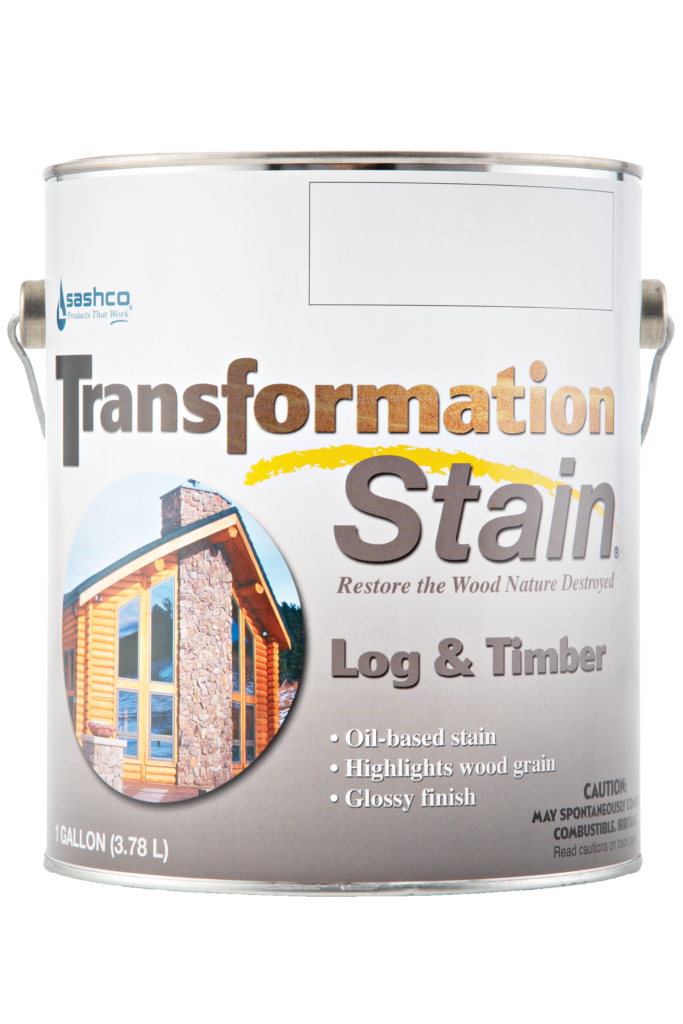
The same color, durability, and application you've come to expect from Capture Log Stain and Transformation Log & Timber
Maintenance Made Easy Now that Capture® Log Stain is applied, it’s time for Cascade® Clear Topcoat to bring out the depth and character of your unique woodgrain while protecting it against moisture, mildew, and algae. Predictable and affordable routine maintenance with Cascade throughout the years means your home stays protected and beautiful. Easy!
Keep the Color the Color Colorfast delivers the ideal canvas for stain application and leaves behind the strong foundation necessary for long-lasting color. It’s color confidence for your log home.
Rot, weather, insects, fungi all pose a serious threat to your logs. Protect your investment—treat your logs first to make them last. Tim-bor® helps protect your home from the costly damage caused by rot and insect infestation.
Bugs don't stand a chance
Easy to mix and apply
Prevents decay fungi
Costs 5 times less than glycol-based borate products
Remove Wood Felting and Raised Grain Remove wood fuzz (called felting) after power washing or media blasting, and knock down excessive raised grain with Sashco's finish sanding tools
Clean and brighten bare logs and wood, remove surface dirt, pollen, and kill mold for maintenance, and keep your logs looking fresh with CPR Log Cleaner and Brightener