Primary Menu

If you hang around the log and timber frame restoration world long enough, you start to notice a pattern. The most successful contractors aren’t the loudest marketers or the cheapest bids. They’re the ones who quietly, consistently do the hard things the right way, even when it’s inconvenient, expensive, or takes longer to explain to a homeowner. 

That pretty much sums up the BTi Log Home Care crew. 

On paper, they’re known for handling some seriously large, complex projects across Montana and beyond. We’re talking about 10,000-20,000 square feet of wall space, two-tone finishes, brutal weather windows, historical cabins miles from the nearest hotel. But when you sit down and talk with them, the reason for their success has very little to do with square footage and everything to do with how they run the business.

They Don’t Sell Jobs. They Sell Long-Term Relationships. 
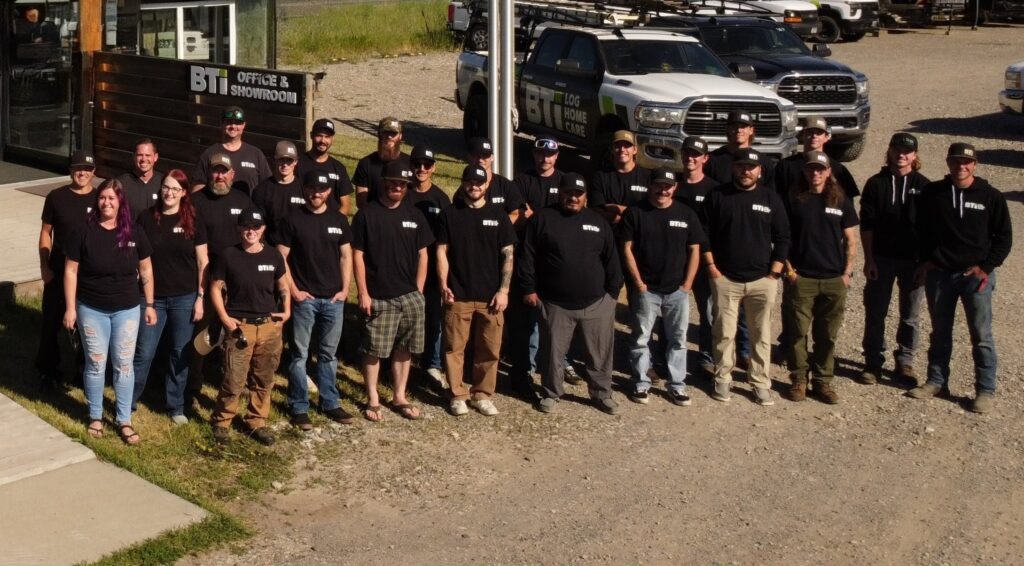
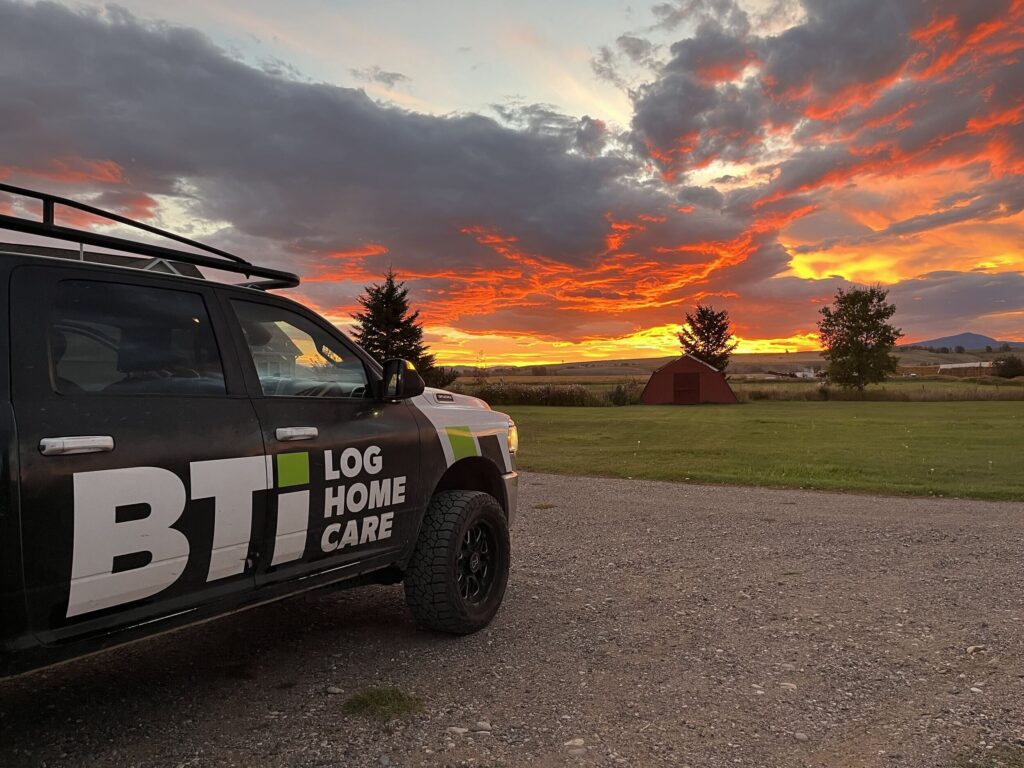
The BTi Log Home Care Crew.

We recently talked to the leadership team at BTi Log Home Care, and one thing came up again and again. They are fully committed to relationships with their clients long after the project is done.

That sounds simple, but it’s a radical mindset shift in an industry where plenty of contractors hope they never hear from a homeowner again once the final invoice is paid. These guys are the opposite. 

They actively design their process around maintenance, education, and repeat interaction. In fact, they’ve started including the first year of maintenance directly into their restoration project, not as a sales gimmick, but as a way to remove friction and reset expectations. 

The message to homeowners is clear, “We’re not disappearing. We’re coming back. And that’s a good thing.” 

That approach does two important things for business. First, it builds trust, because maintenance conversations stop sounding like upsells. And second, it protects the original restoration work (and their reputation). 

As Cal Arnold, owner of BTi Log Home care said, “We don’t want to be the contractor who stains your house and hopes we never have to talk to you again.” That mindset alone explains a lot about their longevity. 

Prep Is Non-Negotiable (Even When It Costs Them Jobs) 

To someone new to the industry, it might look like BTi Log Home Care makes success effortless. It would be easy to assume their advice would center on building a massive team, pouring money into flashy marketing, or chasing the latest business buzzwords. But that’s not their approach. Ask BTi Log Home Care what matters most for someone starting out, and you won’t get a glossy answer. You’ll get one word: Prep. 

Surface prep, process discipline, and refusing to cut corners (even when, ahem, especially when homeowners ask for it). They were blunt about this part. Not knowing any better, clients will encourage shortcuts. They’ll ask for wash-and-recoat jobs. They’ll compare cheaper bids. But BTi made a deliberate business decision to walk away from jobs that don’t align with their process. Not because they don’t need the work, but because they understand the downstream cost of a compromised reputation. That discipline has paid off.

Today, they maintain client relationships that stretch back decades. Homes they restored 20 years ago are still on their schedule. That kind of continuity doesn’t come from shortcuts. It comes from holding the line when it would be easier not to. 

They Match Products to People (Not Just to Wood) 

Here’s where their operational maturity really shows. They don’t just evaluate wood species, exposure, or climate. They evaluate people.

If a homeowner is honest about not wanting (or not being able) to maintain the home annually, they adjust product choices accordingly. If someone is detail-oriented and committed to upkeep, they’ll lean into systems that reward that discipline. That means fewer failures, fewer uncomfortable conversations, and fewer unrealistic expectations. 

It’s also why their projects age so well. Cal told us that, “Even when homeowners push maintenance longer than recommended. The prep, application, and product selection are dialed enough that five years later, the home still looks “pretty darn good.” Even if it’s filthy.” 

And yes, they’ll still gently remind you that paying for maintenance now beats paying for refinishing later. Let’s just say that root canals were mentioned. We’ll spare the analogy> Let’s just say, brush your teeth. 

Big Jobs, Small Jobs. Same Emotional Buy-In 

While they’re known for massive, high-profile projects, some of the work they’re most proud of is far smaller. They reminisced about historic cabins, family properties, and places with emotional weight.

In one case, they restored a 1913 Forest Service cabin covered in dust from the Mount St. Helens eruption still clinging to the walls. The job required travel, camping, and working during the early uncertainty of COVID. Not glamorous. Very meaningful. The result? Tearful voicemails from homeowners. Relief. Gratitude. And a structure preserved for future generations. 

What matters from a business perspective is this, their entire team understands that they’re not just fixing logs, they’re protecting family legacies. That belief shows up on large modern builds, too. Even when the project doesn’t scream “sentimental,” there’s always a person behind it. A family. A future burden removed. 

That kind of emotional buy-in is hard to fake and impossible to scale unless it’s baked into company culture. 

Trusted by Builders When It Actually Matters  

One of the strongest indicators of their success isn’t a logo or an award, it’s who calls them when the stakes are high.

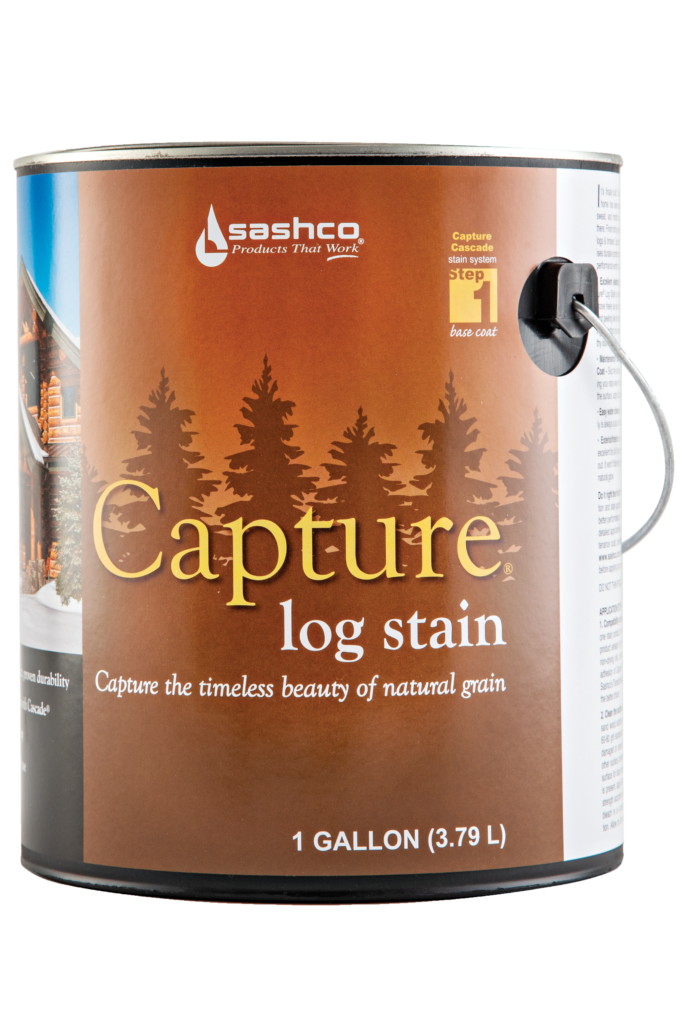
On a recent large-scale project in Big Sky, the homeowner was prepared to remove and replace all exterior siding. Instead, this crew stepped in with a restoration plan that saved the structure and delivered a standout two-tone finish with Capture Log Stain in Weathered Wood on the body and Capture in Aspen Bark for crisp white accents. 

The general contractor backed them fully. In fact, the contractor made it clear they’d charge more if they had to use anyone else. That’s not about price. That’s about trust. 

When builders know a contractor will follow process, protect the homeowner’s investment, and execute under pressure and weather constraints, they stop shopping bids. They pick the team that won’t create problems. Pretty cool stuff.  
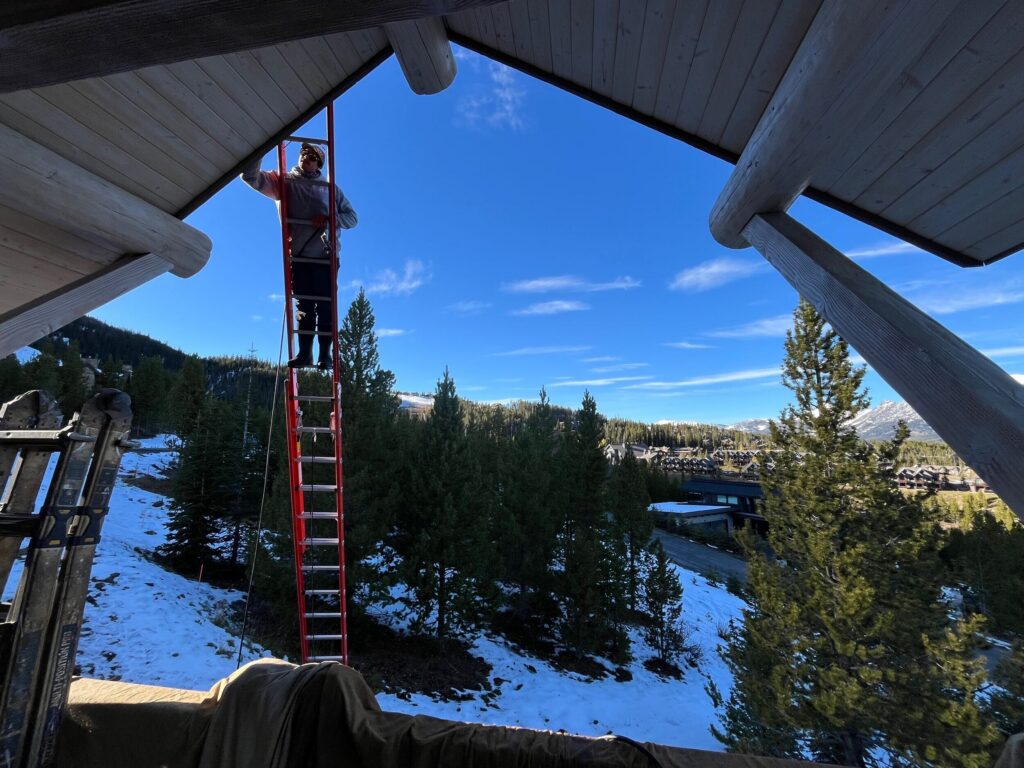
BTi Log Home Care

Why They Align with Sashco (And Why That Actually Matters)  

Partnerships get thrown around a lot in this industry. Usually what that means is a logo on a website and a discount sheet in a folder. That’s not what’s happening here. 

The alignment with Sashco works because it mirrors how these guys already run their business.

First, the obvious one reason is that process matters. Sashco systems reward contractors who prep correctly, apply correctly, and follow the rules. If you’re looking to cut corners, the products will absolutely let you know. That accountability fits a company that has zero interest in fast, cheap wins.

Second, maintenance is engrained into their philosophy. These restorations don’t look good just on the day they’re finished, they look good years later because the system is designed to be maintained, not ignored. That supports the exact conversations they’re already having with homeowners about long-term care, realistic expectations, and avoiding the dreaded full refinish. 

Third, education trumps hype. Sashco’s approach, especially in pro-to-pro environments like Zero Failures, matches how this team operates internally. They don’t pretend problems don’t exist. They talk about them, study them, and build systems to avoid repeating them. That’s why they’re bringing entire crews to training instead of just sending one manager and hoping the message trickles down. 

Finally, there’s the durability factor. When a home can go longer than it should without maintenance and still hold together, it’s proof that the prep, products, and application were right from day one (obligatory statement: don’t neglect it, it’s still not worth it). That kind of real-world performance protects everyone involved: homeowner, contractor, and manufacturer. 

Why They’re Still Winning   

Strip away the job sizes, the colors, the equipment, and the square footage, and the reason for their success is refreshingly straightforward:  

  • They protect their reputation aggressively 
  • They educate instead of overselling 
  • They build systems that support maintenance, not neglect 
  • They care deeply about the people behind the projects 

BTi Log Home Care is built on principles that don’t go out of style. And in an industry where failures are loud and success is often quiet, that might be the highest compliment you can give a contractor.

About BTi Log Home Care 

Since 2002, BTi has been setting the standard in log home care. What started as a soda blasting service evolved when founders Cal and Lee Arnold identified a critical need for superior finishes and lasting protection. Today, our mission remains the same: deliver the highest-quality, most beautiful, and longest-lasting solutions for our clients. 

Reach BTi Log Home Care at (406) 581-9983, office@BTiloghomecare.com or Instagram or Facebook.  

Log home stain samples

Ready to stain? Don’t guess! Sample. Testing stain colors on your actual logs before committing ensures that you get the exact look you want and helps prevent “oops” moments later. Snag your free samples here.

When it comes to protecting and beautifying your log home, Sashco isn’t just another stain on the market — it’s the high-performance choice for serious log lovers. With industry-leading products like Capture, Cascade, and Transformation, Sashco combines cutting-edge technology and rugged durability to keep your logs looking stunning and standing strong year after year. Whether you’re chasing that perfect finish or just want to avoid the heartbreak of costly repairs, Sashco’s got your back. Because your log home deserves more than “good enough,” it deserves Sashco. Made for logs. Made to last. Made to make your neighbors jealous.

Derek Brekke feature

Every month we feature a contractor, business, or success story. After all, learning from each other is one of the best ways to grow. Up this month: Nate Demers with Northland Blasting & Restoration in Elly, Minnesota. With over a decade of experience in the industry, Derek has built a solid reputation for breathing new life into old log homes.

(more…)

Preventing Blisters in Sealants

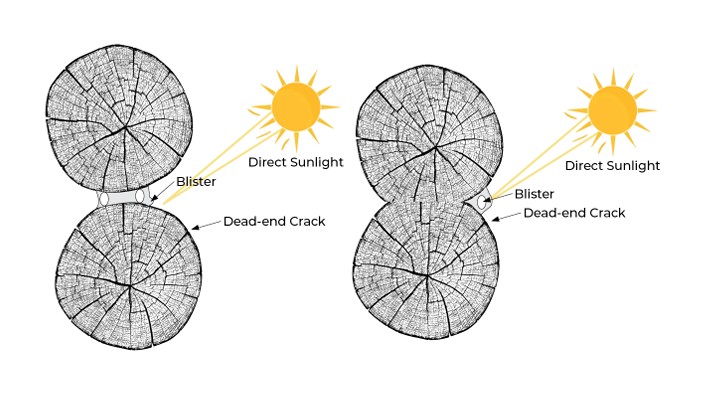
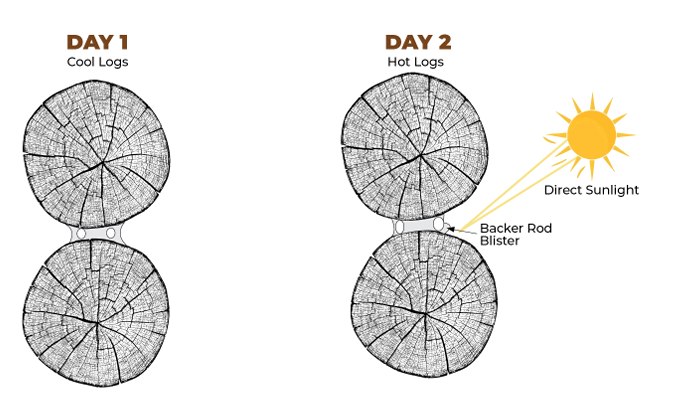
The basic cause of any blister is a build-up of gas between the substrate — a log, wood siding, concrete slab, etc. — or backing surface and the sealant. It occurs during the early curing stages when the sealant is soft but has formed a skin on the surface. Heat, usually in the form of direct sunlight, causes the gas to expand. As the gas expands, it pushes the sealant out, creating a blister. This gas can come from water, wood sap, or even the backing material.
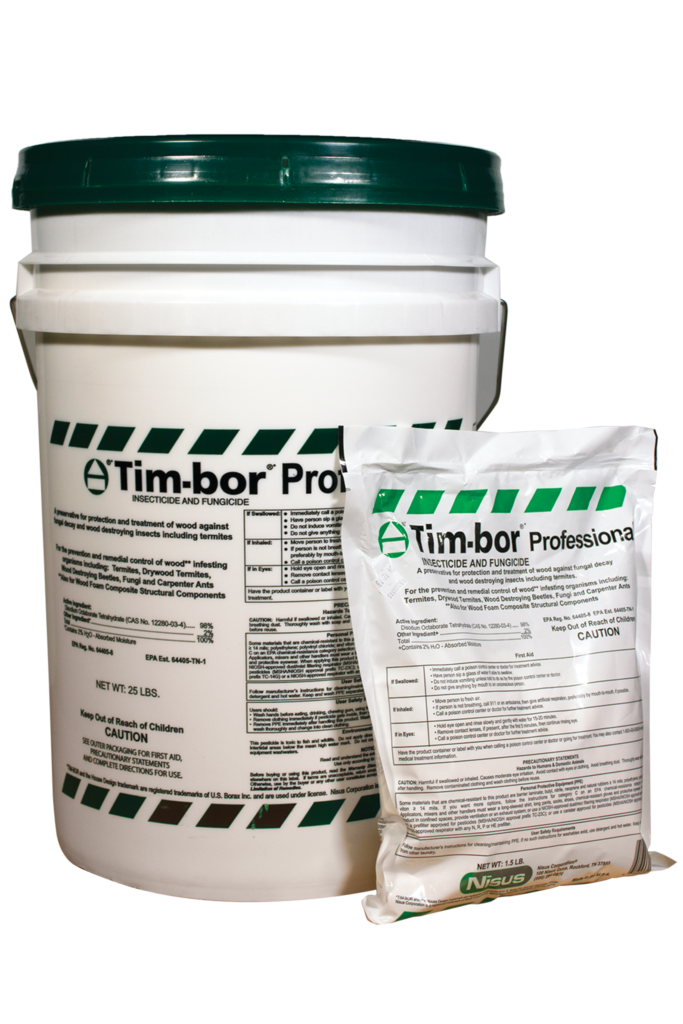
As water-based sealants cure, they give off water vapor. Any physical condition that traps the resulting water vapor could cause a blister, especially if the substrate and the sealant are heated by direct sunlight.

Dead-end cracks in the substrate where moisture vapor accumulates can expand when heated.

Logs in particular often have what is termed “pitch pockets.” These are areas of concentrated pitch, or sap, sometimes containing several gallons! (Pitch pockets of 50 or more gallons are known!)

This sap (or its vapor) will follow cracks in logs, coming out of the log — almost anywhere. Sap has a volatile component and, when heated, forms a gas which causes blisters.

We’re an 87 years-young family company that geeks out over a better way to caulk and stain. Making a ‘Good, Better, Best’ product range just doesn’t turn our crank. We’re passionate about making the highest performance product possible for each project.

Order Stain Samples

Order a Log Stain Sample Kit to see our amazing high-performance stain technology first-hand! 


Technical Product Inquiries

Call a specialist at 800-767-5656 or complete the Technical Inquiries form to ask a technical question.


Where to Buy

Find dealers near you and see which online retailers sell Sashco by visiting our Where to Buy page.


Check Out Our Videos

We geek out over sealant technology and high-performance building. Watch our videos to learn more.

The basic cause of any blister is a build-up of gas between the substrate — a log, wood siding, concrete slab, etc. — or backing surface and the sealant. It occurs during the early curing stages when the sealant is soft but has formed a skin on the surface. Heat, usually in the form of direct sunlight, causes the gas to expand. As the gas expands, it pushes the sealant out, creating a blister. This gas can come from water, wood sap, or even the backing material.

  1. Always apply sealants when it’s shady and cool. Avoid application to surface temps that are over 90°F whenever possible.
  2. When necessary (70%+ humidity, air temps above 85°F), protect surfaces from direct sunlight for a few days by covering with a light-colored tarp, cloth, or plastic. Leave plenty of room for ventilation.
  3. Prime or stain the substrate first. This can help to close some of the dead-end cracks first.
  4. Use blunt tools to install closed cell backing materials, being careful to avoid punctures.
  5. When applying sealants over flat insulation (foam, bead board or foil-faced foam board), surface cracks, holes or dents should be covered with clear packing tape.
  1. Use blunt tools to install closed cell backing materials, being careful to avoid punctures.
  2. When applying sealants over flat insulation (foam, bead board or foil-faced foam board), surface cracks, holes or dents should be covered with clear packing tape.
  1. Puncture the surface skin to release the gasses.
  2. Push the sealant down and back into place.
  3. 2 to 3 days later, apply a skim coat over the blistered area and smooth out to blend it in.
  1. Cut out the dry blister with a razor blade.
  2. Apply more sealant.
  3. If it shrinks a bit and isn’t quite flush with the rest of the bead, apply another skim coat 2-3 days later to ensure the whole bead matches.

Considering a little log home maintenance? Maybe a larger-scale restoration or renovation is in your future. Home improvement TV shows may make this process look easy, but for the average the homeowner, the skillset required is typically outside his/her wheel- house. To be successful, you may want to call in the pros.

Nick Burch, a third-generation log home products manufacturer and restoration expert knows exactly what to look for, and what to expect, from a log home maintenance and restoration contractor. “Reduce what they need to know in order to know what they need to do,” is his motto, meaning that you, as the homeowner, don’t have to be an expert to figure out how to proceed with your restoration. You just need to know what to look for in the contractor you choose.

So how do you find that person?


Here are Nick’s top 11 points to keep in mind as you conduct your search for the perfect contractor:

1: EDUCATE YOURSELF SO YOU ASK THE RIGHT QUESTIONS.

You don’t need to get into the weeds on procedure here (see point #2), but you do need to understand the extent and complexity of your project. Your knowledge, combined with a contractor’s experience, will encourage open communication from the get-go. Even basic comprehension will allow you to partner with the right contractor for the job.

2: THEY SHOULD KNOW MORE THAN YOU.

As the homeowner, it’s not your job figure out how to proceed with your restoration. The contractor you choose should be the expert on the details, but they also should be willing and able to explain it to you.

3: UNDERSTAND YOUR OWN EXPECTATIONS.

But don’t stop there — use these as criteria to help you find the contractor that best fits you and can deliver on those expectations. Here’s how: Envision how you want your home to look and perform once the work is complete. Then, create a comprehensive list of these details and prioritize them. Not only will doing so help you understand your desires and expectations, it will help you better communicate them as you interview prospective contractors — especially after you hire someone.

4: ASK THE “HARD” QUESTIONS.

For example, are they in the business of log home restoration or is this a side component for them? How many have they done? What kind of training do they have? Do they use log home-specific products and have the right equipment? Log home repair is a different beast that a jack-of-all-trades contractor may not be prepared to handle. You should feel satisfied that he/she is knowledgeable and invested in the log home trade. One question that’s a no-brainer is “how long have they been in the log home maintenance/restoration business?” Longevity counts, but don’t discount someone new to log home finishing. They often will go above and beyond as they work to establish their reputation

5: CHECK REFERENCES AND DIG DEEP.

Sure, this seems obvious, but you’d be surprised at how many people don’t do it. A contractor should provide you with references who are willing to speak to potential clients and give them detailed feedback — both the good and the bad. We know this may not always be the case, so ask the provided references if they have any friends or neighbors who used the same contractor and would be willing to speak with you. Sometimes the second tier of references provides interesting intel. And always check the Better Business Bureau. No, not everyone reports an issue to the BBB, but it’s ideal if their report card here is good. You also may want to check if your prospective contractor is part of a local home builder’s association. Not only does membership in this type of organization indicate a willingness to stay on top of the industry, you may be able to get a sense of your prospect’s reputation within the building community.

6: VERIFY THAT THEY ARE LICENSED, INSURED AND LAW-ABIDING

God forbid someone is injured on the job — but if it happens, you certainly don’t want to be on the hook for it. Ensure that the contractors you’re considering not only have insurance to cover onsite incidents but also are licensed to perform work in your area. Depending on the job at hand, specialty licenses for things like electrical, gas fittings, etc., may be mandatory. Each state has different requirements, but, in general, a contractor has to receive a designated amount of classroom and on-the-job training, as well as pass a test, to receive a license. Also make sure they are compliant with all applicable laws in which they do business.

7: PROBE INTO THEIR PREPARATION PROCESS

Once you have your short list, start investigating each prospective contractor’s operations. One tell-tale area is how thorough their preparation process is. For instance, if your home-improvement project involves re-staining the logs, proper log prep is THE most important step for making your stain and sealant last. The preparation phase likely will (and should) be more involved and expensive than the staining itself. Attention to detail is key.

8: GET A DETAILED EXPLANATION ABOUT PRODUCT CHOICES.

Ask a contractor what products he or she uses and why. Words like “durability,” “strength” and “warranty” should filter to the top. If the contractor says, “it’s the cheapest on the market,” as their primary driver for product selection, this should be a big red flag that sends you running. You want a contractor who is consciously choosing products that will give you the best performance.

9: UNDERSTAND EXACTLY WHAT YOU’RE GETTING FOR YOUR MONEY.

Make sure each contractor gives you a detailed, itemized bid. Open-ended time and materials bids are appropriate for some jobs and not for others. For example, don’t accept something to the effect of “apply two coats of stain” as a description for that portion of the job. Instead, it should say, “spray on, according to manufacturer’s instructions, two coats of stain. Back brush each coat. Must allow adequate dry time between coats – usually 24 hours.” Having as much detail as possible will leave less room for misunderstandings during the project.

10: DON’T LET PRICE BE YOUR GUIDE.

You want to save money, of course, but if one contractor’s bid comes in a lot lower than the others, there’s probably a reason. Less scrupulous contractors may come in low to get the work and then upcharge you later for “unforeseen circumstances.” Then again, a good contractor’s rates might simply be less than his competitors. Again, this is where the level of detail included in the bid will go a long way to helping you decide if a price is fair. Remember: This isn’t an area where you want to skimp. Being cheap may cost you in the end.

11: GO WITH YOUR GUT.

The smart shopper gets at least three to five bids before making a decision. And yes, all of the above research is important to keep in mind. But in the end, you should choose a person who is the right fit for you personally. If a contractor’s reputation is stellar and their price is right, but you don’t get a good feeling from him or her, there’s probably a reason — even if that reason isn’t tangible. Trust and communication are key components in any home-im-provement related process. With those, you will be well on your way to successful log home maintenance or restoration and achieve a log home you will love for a lifetime.

You started in the right place. Now its time to

get in touch with the pros who know logs.

Speak with a real human!

We’re here to help see your project through to the end.

Not sure which stain product is right for your home? Looking for the nearest location to buy products for your log home project? Looking to hire a log home contractor? Don’t know exactly how to apply your stain samples? We’re here to help.

Call to talk with one of our log home specialists:

800-767-5656

HOW MANY TIMES HAVE THE

FOLLOWING HAPPENED TO you?

At least some of the above statements apply to everyone reading this. All the above are a waste of time and money.

How much money will you save with Flex Tint?

The Flex Tint system gives you a paint store in your truck. Using this system gives you what the name says –Flexibility.

  • No more trips down a mountain for more stain.
  • Bought too much? Use it on the next job.
  • Customer changed mind? Mix another color on the jobsite and keep working.
  • Customer decided to use a darker stain on the trim? Spin up another color – without leaving the jobsite.
  • Need to match stain to the lighter-colored logs you used in a replacement job? Mix a custom blend onsite to match.
  • Working with a picky customer on a high-profile job? Use layering with the Capture Flex tint system to create 121 different colors.

Speak with a real human!

We’re here to help see your project through to the end.

Not sure which stain product is right for your home? Looking for the nearest location to buy products for your log home project? Looking to hire a log home contractor? Don’t know exactly how to apply your stain samples? We’re here to help.

Call to talk with one of our log home specialists:

800-767-5656

Nate Demers feature

Every month we feature a contractor, business, or success story. After all, learning from each other is one of the best ways to grow. Up this month: Nate Demers with Weatherwize in Engadine, MI. Nate has been in the business of log homes for over 20 years and is the Vice-President of the International Log Builders Association. Keep reading for more details on how he got started and what’s led to his success.

(more…)

Ryan Sullivan feature

Every month we feature a contractor, business, or success story. After all, learning from each other is one of the best ways to grow. Up this month: Ryan Sullivan with RI Log Home Restoration in Tiverton, Rhode Island. Keep reading for more details on how he got started and what helped has led to his success.

(more…)

John Schmitz feature

Every month we feature a contractor, business, or success story. After all, learning from each other is one of the best ways to grow. Up this month: John Schmitz with Alpine Log & Timber Finishes in Golden, CO. Keep reading for more details on how he got started and what helped him succeed.

(more…)

Nicole Carr feature

Every month we feature a contractor, business, or success story. After all, learning from each other is one of the best ways to grow. Up this month: Nicole Carr with 888-Log-Guys in Ozark, MI. Nicole is managing 10+ log home finishing and restoration crews across 15 states, all while maintaining a customer-first mindset. Keep reading for more details on how she got started and what’s helped make 888-Log-Guys successful.

(more…)

DAVID LYNCH feature

Every month we feature a contractor, business, or success story. After all, learning from each other is one of the best ways to grow. Up this month: David Lynch with Stoney Ridge Log Homes in Kitnersville, PA. David knows his stuff and is one of the best log homeowner educators out there. Keep reading for more details on how he got started and what’s helped make him successful.

(more…)